
The New Zealand summer, stretching from December to February, is a time of vibrant life and explosive colour. It's the perfect season to create an outdoor oasis that bursts with stunning blooms, attracting bees, butterflies, and admiring glances from the neighbours. But with so many options available, choosing the right plants can feel overwhelming, especially when trying to ensure a continuous display of beauty throughout the warmest months.
This guide is curated specifically for Kiwi gardeners, focusing on 10 spectacular and reliable flowers that bloom in summer. We'll provide actionable tips tailored to our unique climate, ensuring your garden thrives from the first warm days of December right through to the end of February. To truly transform your garden into a summer paradise, you might also explore various design approaches, such as these transformative island landscaping ideas.
Whether you have a sprawling backyard, a compact courtyard, or just a sunny balcony, this list will help you discover the perfect summer-flowering plants to make your season the most beautiful one yet. We'll cover everything from planting and care to sourcing beautiful specimens from trusted local sellers on Jungle Story, helping you cultivate a breathtaking display with confidence.
1. Sunflowers (Helianthus annuus)
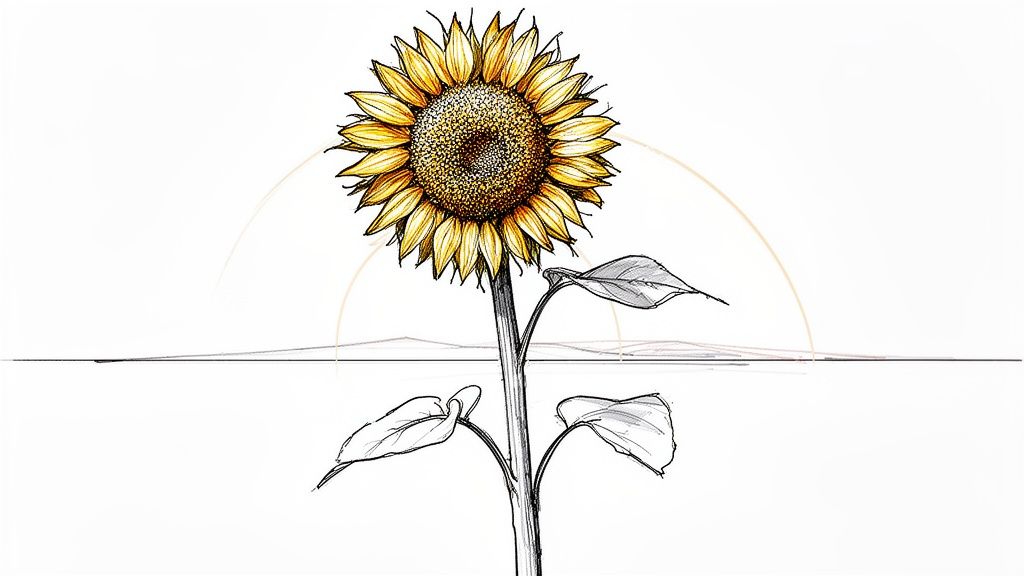
An undeniable symbol of summer, the Sunflower is a classic choice for gardeners seeking dramatic height and vibrant colour. These iconic flowers that bloom in summer are famous for their large, golden-yellow flower heads that exhibit heliotropism, the fascinating trait of tracking the sun's movement across the sky. Thriving in New Zealand's warm summer climates with full sun exposure, they are incredibly versatile, serving as stunning cut flowers, a source for edible seeds, or as a living screen to create garden privacy.
Growing Tips and Varieties
From towering giants to compact container varieties, there is a sunflower for every garden. 'Giant Russian' varieties can produce enormous 30cm flower heads, while the deep, velvety petals of 'Moulin Rouge' offer a dramatic alternative to traditional yellow. For smaller spaces or pots, dwarf cultivars like the fluffy 'Teddy Bear' are an excellent choice.
- Planting: Sow seeds directly into the garden soil after the last frost has passed.
- Spacing: Allow at least 15 cm between medium varieties and 30 cm or more for giant types to ensure adequate airflow and sunlight.
- Support: Provide sturdy stakes for taller varieties, especially in windy or exposed locations, to prevent stems from snapping.
To truly transform your garden into a summer paradise, consider incorporating elements like vibrant floral cement tiles into your patio or walkway decor, echoing the bright patterns of your blooms.
2. Zinnias (Zinnia elegans)
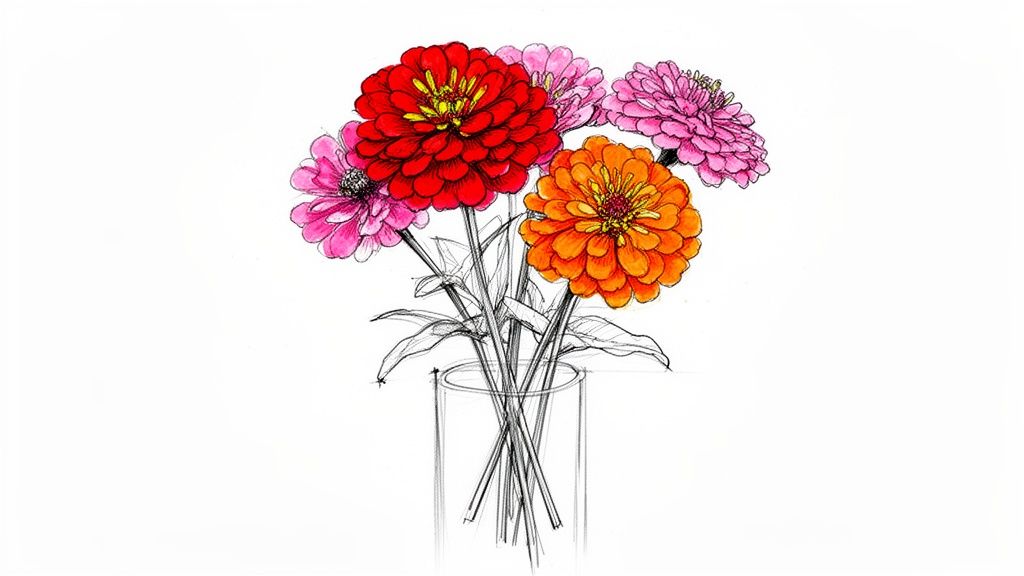
A powerhouse of colour and reliability, the Zinnia is a must-have for anyone seeking prolific blooms throughout the season. These vibrant, warm-season annuals are pillars of the summer garden, offering a continuous display of flowers from early summer right through until the first autumn frost. Famous for their full, multi-layered petals, zinnias come in nearly every colour imaginable except blue, making them one of the most versatile flowers that bloom in summer. Their low-maintenance nature makes them perfect for both beginner gardeners and seasoned experts looking to fill garden beds or containers with long-lasting beauty.
Growing Tips and Varieties
From compact border fillers to tall, dramatic specimens, there's a zinnia for every garden design. The 'Benary's Giant' series produces impressive 10-12 cm flower heads perfect for cutting, while the 'Lilliput' dwarf mix is ideal for containers and pathway edges. For a unique colour palette, the lime-green 'Envy' cultivar adds a modern touch to arrangements, and the large, dahlia-style double flowers of the 'State Fair' mix create a spectacular show.
- Planting: Sow seeds directly into warm garden soil after all danger of frost has passed.
- Spacing: Allow 30-45 cm between plants, depending on their mature size, to promote good air circulation.
- Care: Pinch the growing tips when plants are about 15 cm tall to encourage bushier growth and more flowers. Water at the soil level to help prevent powdery mildew on the foliage.
- Maintenance: Deadhead spent blooms regularly, ideally every few days, to signal the plant to produce a constant flush of new flowers all summer long.
3. Dahlias (Dahlia × hybrida)
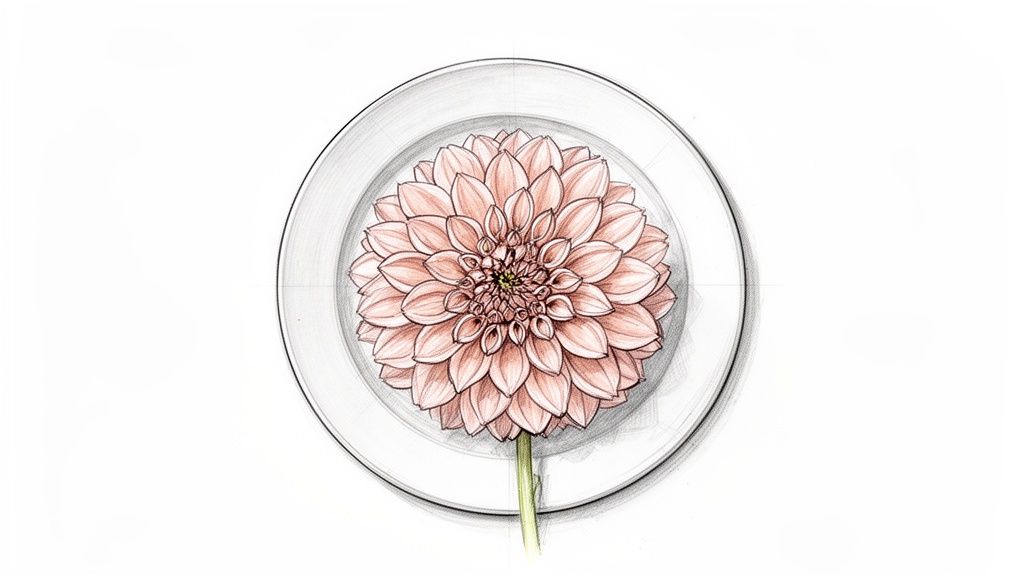
Dahlias are spectacular flowers that bloom in summer and continue their show well into autumn, offering an unparalleled diversity of colour, size, and form. From intricate, pompom-like spheres to magnificent "dinner-plate" varieties exceeding 30 cm in diameter, their intricate petal formations make them a favourite among avid gardeners and floral designers. These tuberous perennials provide a continuous and dramatic display, making them a worthy centrepiece in any New Zealand garden bed, border, or container arrangement.
Growing Tips and Varieties
The range of dahlia varieties is immense, with popular choices including the elegant, blush-pink 'Café au Lait', a florist favourite, and the dramatic, deep burgundy 'Black Prom'. For a vibrant bi-colour option, 'Boogie Woogie' is a standout, while 'Karma Choc' offers rich, chocolate-burgundy blooms. To ensure a thriving display, proper care from planting to storage is key.
- Planting: Plant tubers 10-15 cm deep after the last frost has passed, choosing a spot with at least six hours of direct sunlight.
- Staking: Install stakes or other supports at planting time to avoid damaging the root system later on.
- Pinching & Feeding: For a bushier plant with more flowers, pinch out the central growing stem when the plant reaches about 30 cm tall. Feed every 3-4 weeks with a high-phosphorus fertiliser.
- Maintenance: Deadhead spent blooms regularly to encourage continuous flower production throughout the season.
In autumn, after the first frost blackens the foliage, carefully lift the tubers from the ground. Allow them to cure before storing them in a cool, dry, and dark location over winter, ready for replanting the following spring.
4. Coneflowers (Echinacea purpurea)
A hardy and reliable perennial, the Coneflower is a quintessential choice for gardeners seeking resilient flowers that bloom in summer. Celebrated for its distinctive, spiky central cone surrounded by daisy-like petals, this wildflower brings a touch of prairie charm to any garden bed. Echinacea blooms profusely from early summer right through to autumn, attracting a delightful array of bees and butterflies while demanding very little maintenance. Its robust nature makes it an eco-friendly staple for both ornamental and medicinal gardens across New Zealand.
Growing Tips and Varieties
From traditional pinks to vibrant oranges, there is a coneflower to suit any colour scheme. The classic 'Magnus' offers large, traditional pink blooms, while 'Hot Papaya' provides a unique, fiery orange double flower. For a splash of gold, 'Harvest Moon' is an excellent choice, and for border fronts or smaller spaces, the compact 'Kim's Knee High' is perfect.
- Planting: Plant in spring or early autumn in well-draining soil to allow roots to establish.
- Spacing: Give them about 45-60 cm of space to accommodate their mature spread and ensure good air circulation.
- Care: Once established, they are drought-tolerant and require minimal watering. They thrive in poorer soil, so no fertiliser is needed. Deadhead spent blooms to encourage continuous flowering, or leave the seed heads for autumn interest and to feed birds.
5. Hydrangeas (Hydrangea species)
As showstopping flowering shrubs, Hydrangeas produce massive, clustered blooms in spectacular shades of pink, blue, purple, or white from mid-summer right through to autumn. These flowers that bloom in summer are renowned for their unique ability to change colour based on the soil's pH, making them a fascinating and interactive addition to any garden. Their versatility is unmatched, serving as lush landscape anchors, beautiful long-lasting cut flowers, or dramatic container specimens for a patio or deck.
Growing Tips and Varieties
Hydrangeas come in several forms, each with unique appeal. Bigleaf hydrangeas (H. macrophylla) offer classic mophead or delicate lacecap forms, while Panicle hydrangeas (H. paniculata) like 'Pinky Winky' produce distinctive cone-shaped blooms. For those seeking continuous flowers, remontant varieties like the 'Endless Summer' series bloom on both new and old wood, providing colour all season long.
- Planting: Choose a location with morning sun and afternoon shade, especially in hotter parts of New Zealand, to protect blooms from scorching.
- Colour Control: To encourage blue flowers, maintain an acidic soil (pH 5.5 or lower) using a soil acidifier or aluminium sulphate. For vibrant pink or red shades, aim for a more alkaline soil (pH 6.5-7.0) by adding garden lime.
- Pruning: Timing is crucial for ensuring next year's blooms. To get it right for your specific variety, you can explore detailed guides on how and when to prune hydrangeas in NZ.
- Watering: Provide consistent and deep watering, particularly during dry spells, and apply a thick layer of mulch to help retain vital soil moisture.
6. Lavender (Lavandula species)
A sensory delight in any garden, Lavender is a fragrant perennial celebrated for its beautiful purple, pink, or white flower spikes that bloom profusely throughout summer. This Mediterranean native combines stunning ornamental value with aromatic and medicinal properties, making it one of the most versatile flowers that bloom in summer. Prized for its ability to attract bees and other pollinators, its calming scent, and its drought-tolerant nature, Lavender is a fantastic, low-maintenance choice for gardeners in New Zealand seeking both beauty and function.
Growing Tips and Varieties
From the deep purple English 'Hidcote' variety to the highly fragrant French 'Grosso', perfect for dried flower arrangements, there is a lavender to suit every garden style. 'Munstead' is a compact English variety ideal for borders, while Spanish lavenders like 'Grossolariaticus' offer showy, decorative bracts. These varieties thrive in our long, sunny summer days.
- Planting: Choose a location with full sun (at least 6 hours daily) and exceptionally well-draining soil; amend heavy clay with sand or gravel.
- Watering: Water deeply when planting, then allow the soil to dry out completely between waterings. Lavender dislikes "wet feet".
- Pruning: Prune back by about one-third in early spring to encourage bushy growth and remove any dead wood, but avoid cutting into old, bare wood.
Lavender is a cornerstone of any herb garden, blending its ornamental appeal with practical uses. You can explore more about incorporating it alongside other useful plants by reading our guide to growing herbs in New Zealand.
7. Roses (Rosa × hybrida and species roses)
No garden feels quite complete without the classic elegance of a rose. These premier flowering plants are available in a breathtaking array of forms, from hybrid tea and floribunda to climbing and shrub varieties, blooming prolifically throughout the summer. Available in nearly every colour imaginable, roses serve as stunning garden centrepieces, provide romantic cut flowers, and can be selected for easy-care, disease-resistant traits, making them one of the most beloved flowers that bloom in summer.
Growing Tips and Varieties
Modern breeding has made roses more accessible than ever. The 'Knock Out' series offers incredible disease resistance with minimal maintenance, while David Austin English roses combine old-garden charm with modern vigour. Classic hybrid teas like 'Mr. Lincoln' provide iconic blooms, and climbing roses add vertical interest.
- Planting: Choose a location that receives at least six hours of direct sunlight daily with excellent air circulation to prevent fungal diseases.
- Watering: Water deeply at the soil level to keep the foliage dry. Mulch around the base to retain moisture but keep it clear of the canes.
- Care: Prune in early spring after the last frost and deadhead spent blooms regularly to encourage continuous flowering throughout the season.
Roses are quintessential flowering shrubs in NZ, offering structure and colour that anchor any garden design.
8. Daylilies (Hemerocallis hybrids)
A favourite for their resilience and prolific blooming, Daylilies are some of the most reliable and rewarding flowers that bloom in summer. Each individual trumpet-shaped bloom lasts only for a day, but the plants produce them in such succession that a single clump provides continuous colour for weeks. Modern hybrids have expanded their palette far beyond the classic orange, offering an astonishing range of colours and forms. These nearly indestructible perennials are perfect for low-maintenance garden beds, borders, and mass plantings, thriving in New Zealand's diverse summer conditions.
Growing Tips and Varieties
From compact rebloomers to tall, stately specimens, there's a daylily for every garden design. The ever-popular 'Stella de Oro' is a compact, golden-yellow reblooming variety that flowers non-stop. For striking contrast, 'Pardon Me' offers deep red blooms, while 'Frans Hals' provides a cheerful bi-colour display of orange and red stripes. For a classic heirloom look, the double-flowered orange 'Kwanso' is an excellent choice.
- Planting: Plant in full sun to partial shade, ensuring at least six hours of sun for the best flowering display.
- Spacing: Allow 45-60 cm between plants to give them room to mature into substantial clumps.
- Maintenance: Remove spent flower stalks, known as scapes, after all the buds have bloomed. For a tidier look, you can also deadhead individual wilted flowers daily. Divide crowded clumps every 3-4 years in early spring to rejuvenate them.
9. Black-eyed Susans (Rudbeckia fulgida and R. hirta)
A cheerful and resilient addition to any garden, the Black-eyed Susan is a workhorse perennial that brings a burst of sunshine with its golden-yellow, daisy-like blooms. These flowers that bloom in summer are distinguished by their dark chocolate-brown central cones, creating a striking contrast that draws the eye. Native to North America, they have adapted wonderfully to New Zealand's climate, blooming profusely from summer right through to autumn with very little fuss, making them a favourite for low-maintenance borders and pollinator-friendly gardens.
Growing Tips and Varieties
From compact mounds to taller, waving stems, there is a Rudbeckia for every garden style. The 'Goldsturm' cultivar is wildly popular for its sheer abundance of golden flowers, while 'Indian Summer' produces larger-than-average blooms for a more dramatic impact. For a unique colour palette, the 'Marmalade' variety offers rich, orange-gold petals.
- Planting: Choose a location that receives at least six hours of direct sunlight each day.
- Spacing: Allow 45-60 cm between plants to ensure good air circulation and prevent overcrowding.
- Maintenance: Water regularly during the first season to establish roots; they are quite drought-tolerant once mature. Deadhead spent flowers to encourage continuous blooming, but leave some seed heads standing into winter as a food source for birds.
- Care: These plants thrive in average to poor soil and typically do not require fertiliser. Divide clumps every two to three years in spring to maintain vigour.
10. Salvias (Salvia × sylvestris and annual species)
A diverse and incredibly hardworking group, Salvias are essential flowers that bloom in summer, producing distinctive spiky flower spires in a dazzling array of blues, purples, pinks, and reds. These plants are a magnet for pollinators, reliably attracting bees and butterflies to the garden with their nectar-rich blooms that last from early summer right through to autumn. Their versatility is unmatched, with varieties ranging from compact border plants to towering back-of-the-bed specimens, making them suitable for almost any garden style or purpose in New Zealand.
Growing Tips and Varieties
From hardy perennials to vibrant annuals, there's a Salvia for every situation. Perennial varieties like the deep purple 'May Night' are renowned for their reliability and long bloom season. For dramatic colour, the almost-black calyxes of 'Black and Blue' offer a stunning contrast, while annuals such as the brilliant 'Victoria Blue' or the popular bicolour 'Hot Lips' provide non-stop flowering throughout the warmest months.
- Planting: Plant in a spot with full sun (at least six hours of direct light) and well-draining soil to prevent root issues.
- Care: Water regularly during the first season to establish a strong root system. Once established, many varieties are quite drought-tolerant. Deadhead spent flower spikes regularly to encourage continuous blooming.
- Maintenance: Cut back perennial types hard in late autumn or early spring to promote vigorous new growth. Pinch the tips of young annual salvias to encourage a bushier, more floriferous plant.
Comparison of 10 Summer-Blooming Flowers
| Plant | 🔄 Complexity | ⚡ Resource needs | ⭐📊 Expected outcomes | Ideal use cases | 💡 Key advantages |
|---|---|---|---|---|---|
| Sunflowers (Helianthus annuus) | 🔄 (easy establishment; some pest care) | ⚡⚡ (full sun, staking for giants) | ⭐⭐⭐⭐ · 📊 Dramatic tall blooms; seeds for harvest; cut flowers 1–2 wk | Cut flowers, seed production, focal points, beginner plots | 💡 Fast-growing, pollinator-attracting, edible seeds |
| Zinnias (Zinnia elegans) | 🔄 (very easy from seed) | ⚡ (minimal inputs; heat-loving) | ⭐⭐⭐⭐ · 📊 Continuous blooms summer–frost; excellent vase life 2–3 wk | Mass beds, containers, cut-flower gardens, beginners | 💡 Prolific bloomer, low cost from seed, wide colour range |
| Dahlias (Dahlia × hybrida) | 🔄🔄🔄 (tuber care, staking, deadheading) | ⚡⚡⚡ (tubers, stakes, winter storage, fertiliser) | ⭐⭐⭐⭐⭐ · 📊 High-impact blooms (5cm–30cm+); florist-grade yields; vase 7–10 d | Specimen plantings, premium cut flowers, floral designers | 💡 Exceptional form/size diversity; high market value |
| Coneflowers (Echinacea purpurea) | 🔄🔄 (slow first year; low ongoing care) | ⚡ (tolerant of poor soil; drought-resistant) | ⭐⭐⭐ · 📊 Reliable perennial blooms; seedheads feed birds; long-lived | Native/pollinator gardens, low-maintenance landscapes, medicinal use | 💡 Hardy, drought-tolerant, self-seeding expansion |
| Hydrangeas (Hydrangea spp.) | 🔄🔄 (pruning knowledge required; moisture care) | ⚡⚡⚡ (consistent water, space, pH management) | ⭐⭐⭐⭐ · 📊 Massive flower clusters; long season; great for cut/dried | Specimen shrubs, containers, landscape anchors | 💡 Dramatic impact; soil pH colour control for interactive blooms |
| Lavender (Lavandula spp.) | 🔄🔄 (needs well-draining site and pruning) | ⚡ (low once established; dry-soil preference) | ⭐⭐⭐ · 📊 Fragrant long-lived spikes; excellent dried/craft material | Herb/pollinator gardens, dried flower production, Mediterranean beds | 💡 Drought-tolerant, fragrant, deer-resistant |
| Roses (Rosa spp. & hybrids) | 🔄🔄🔄 (pruning, disease/pest management) | ⚡⚡⚡ (regular care: water, fertiliser, sprays) | ⭐⭐⭐⭐⭐ · 📊 Continuous summer blooms; 10–14 d vase life; high ornamental value | Cut flowers, formal gardens, romantic specimen plantings | 💡 Vast forms/colours; strong emotional/market appeal; many disease-resistant cultivars |
| Daylilies (Hemerocallis hybrids) | 🔄 (very low maintenance) | ⚡ (minimal inputs; adaptable soils) | ⭐⭐⭐ · 📊 Abundant seasonal colour; individual blooms short-lived but prolific | Low-maintenance borders, mass plantings, rebloom sequences | 💡 Extremely durable, long-lived clumps; rebloom options |
| Black-eyed Susans (Rudbeckia spp.) | 🔄 (simple culture; may self-seed) | ⚡ (low water/fertility once established) | ⭐⭐⭐ · 📊 Prolific summer–autumn blooms; good cut flowers 2–3 wk; wildlife value | Native/pollinator gardens, easy landscapes, cut flowers | 💡 Hardy, low-cost, reliable late-season interest |
| Salvias (Salvia spp.) | 🔄🔄 (deadheading/division for vigour) | ⚡ (generally low; well-draining soil) | ⭐⭐⭐ · 📊 Extended bloom period; strong pollinator attraction | Pollinator gardens, mixed borders, containers | 💡 Wide height/colour range; excellent continuous bloom and dried material |
Start Your Summer Garden Journey Today
With this curated guide to ten of the most resilient and beautiful flowers that bloom in summer, you are now perfectly equipped to design a garden that will dazzle throughout New Zealand's warmest season. We've journeyed from the cheerful, towering presence of Sunflowers and the vibrant, easy-care nature of Zinnias to the intricate, show-stopping beauty of Dahlias and the enduring elegance of Roses. Each plant offers a unique character and set of requirements, providing a rich palette for any gardening vision.
The key to unlocking a spectacular summer display lies not just in choosing beautiful flowers, but in understanding how they fit into your specific environment. Consider the lessons learned from each profile: the importance of full sun for plants like Coneflowers and Black-eyed Susans, the value of well-draining soil for Lavender and Salvias, and the need for consistent moisture to keep Hydrangeas and Daylilies looking their best. A truly successful garden is one where the right plant is chosen for the right place, allowing it to thrive with minimal fuss.
Your Action Plan for a Flourishing Summer Garden
Transforming this knowledge into a living, breathing garden is the exciting next step. Here’s a simple, actionable plan to get you started:
- Assess Your Space: Before you buy a single seed, take a moment to map your garden. Note the areas that receive at least six hours of direct sun, identify spots with dappled shade, and test your soil's drainage. This initial assessment is the single most important step in preventing future disappointment.
- Create a Planting Blueprint: Think about colour combinations, varying heights, and staggered bloom times. For instance, you could pair the tall, yellow heads of Sunflowers at the back of a border with the rich purples of Salvia and the mounding form of Lavender in the front. This creates visual depth and ensures continuous colour.
- Prepare Your Soil: Don't underestimate the power of good soil. Amending your garden beds with quality compost and organic matter before planting gives your flowers the essential nutrients they need to establish strong roots and produce abundant blooms.
- Start Planting: Whether you are starting with seeds or established plants, follow the specific planting guidance for each flower. Pay close attention to spacing recommendations to ensure good air circulation, which is crucial for preventing common fungal diseases in our sometimes-humid Kiwi summer.
By embracing these principles, you move beyond simply planting flowers and begin the rewarding process of curating a dynamic ecosystem. The selection of flowers that bloom in summer is vast and exciting, offering endless opportunities for creativity and connection with nature. This list serves as your reliable starting point, a foundation upon which you can build seasons of colour, fragrance, and joy. Now is the perfect time to begin planning and planting for the vibrant months ahead.
Ready to bring these summer stunners to your own backyard? Explore the incredible variety of summer-flowering plants, high-quality seeds, and essential gardening tools from trusted New Zealand sellers on Jungle Story. It’s your one-stop marketplace to find everything you need to cultivate an unforgettable summer garden.