
The right indoor plant for you is one that suits your home's light and your lifestyle. Here in New Zealand, it's no surprise that tough-as-nails choices like the Snake Plant or the ever-popular Peace Lily have found their way into so many of our homes. They're not just a bit of green for the corner; these plants are known for their air-purifying abilities and can turn any room into a calm, green sanctuary.
Why Kiwis Are Bringing the Outdoors In
Right across the country, there’s a real movement towards bringing a slice of the great outdoors, inside. From a tiny apartment in Auckland to a sprawling family home down in Christchurch, Kiwis are cottoning on to the fact that a good houseplant does more than just fill a space. It’s a way to feel a bit closer to nature, something that’s pretty central to who we are.
This isn't just about what's in vogue. It’s a smart response to how we live now. With more of us in townhouses and apartments, a proper garden isn't always on the cards. So, houseplants have become our new backyards, offering a really rewarding way to get our hands dirty. Garden centres have seen a massive jump in houseplant sales as our homes get a bit smaller on average. You can read more about this shift in New Zealand's gardening habits and discover why houseplants are booming.
More Than Just a Pretty Face
For a lot of us, growing an indoor jungle has become a hobby that’s genuinely good for the soul. The simple rhythm of caring for a plant—watering it, checking for new leaves—can be a wonderfully calming ritual in a hectic world. It's been shown that having plants around can help reduce stress, lift your mood, and even clean the air by filtering out common household nasties.
An indoor plant is more than just a piece of decor; it's a living, breathing part of your home that grows with you. It marks the seasons and adds a dynamic, natural feel to your everyday life.
This guide has been put together with Kiwis in mind. We'll give you practical, local advice to help you choose, style, and look after your plants, making sure they don't just survive, but thrive in our unique climate and Southern Hemisphere seasons. Whether you're a complete novice or you’re looking to add to your collection, you’ll find everything you need to create your own flourishing indoor haven. Let’s get started.
Matching Plants to Your Home Environment
Before you even think about bringing a plant home, the first step is to play detective in your own space. Honestly, matching a plant to its environment is the single biggest secret to success. A plant that goes gangbusters in your friend’s place might really struggle in yours, and it almost always comes down to a mismatch between what the plant needs and what your home offers.
Think of it like this: you wouldn't expect a penguin to be happy in the desert. In the same way, a fern that loves a damp, shady forest floor will quickly get crispy in a sun-drenched window. By getting to know your home's unique conditions first, you can choose good indoor plants for home that will not just survive, but truly flourish.
Reading Your Home's Light
Light is without a doubt the most critical piece of the puzzle. Here in New Zealand, our spot in the Southern Hemisphere means the sun’s path is different from what you might read on international blogs. Getting this right is crucial.
- North-Facing Windows: These get the most intense, direct sun, especially during our long summer days. They're the prime real estate for total sun-worshippers like succulents and cacti.
- East-Facing Windows: You’ll get that lovely, gentle morning sun that isn’t too harsh. This is the sweet spot for a huge range of popular houseplants that prefer bright, but indirect, light.
- West-Facing Windows: These windows get belted with strong afternoon sun, which can get incredibly hot. Plants you place here might need a bit of a buffer to stop them from scorching in summer.
- South-Facing Windows: This is your shadiest spot, providing the lowest level of light. It’s perfect for those tough, shade-tolerant characters like the ZZ Plant or Snake Plant.
The easiest way to figure this all out is to simply watch a room throughout the day. Take note of where the sunbeams fall and for how long. This simple observation tells you everything you need to know.
The goal isn't to change your home to suit a plant, but to choose a plant that is already suited to your home. This approach saves you time, money, and the heartache of a wilting plant.
Understanding Temperature and Humidity
Kiwi homes can be a real mixed bag. From classic, draughty villas to modern, well-insulated new builds, the temperature and humidity inside can vary dramatically. Most of the tropical houseplants we love prefer a consistent, warm, and humid environment.
But the reality for many of us involves a heat pump blasting in winter or a dehumidifier humming away, both of which can create incredibly dry air. You really notice it in our winter (June - August) when all the doors and windows are shut tight. If you know your home has dry air, it's wise to look for plants that can handle it, or be prepared to give your tropical varieties a bit of extra love by misting them or popping them in a naturally humid room, like the bathroom. Taking stock of these factors is key to picking a plant that will feel right at home.
Top 10 Indoor Plants for Kiwi Homes
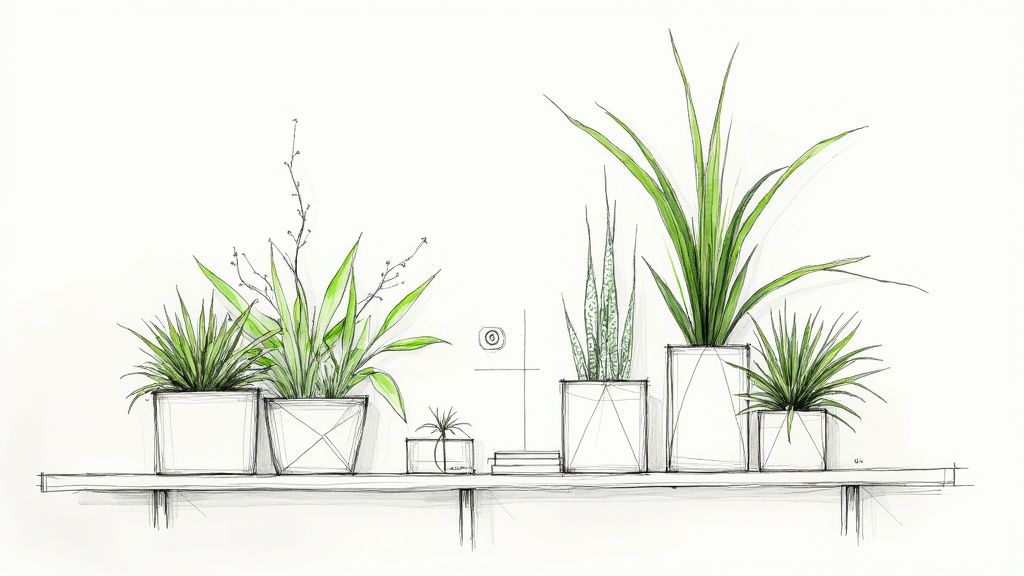
Alright, you’ve sussed out the light and conditions in your home. Now comes the really fun part—picking out your new green flatmate! We’ve put together a list of tried-and-true houseplants that feel right at home in most Kiwi houses.
These plants are all known for being resilient, beautiful, and generally unfussy. Whether you’re a total beginner or just looking for an easy-going addition, there’s something here for every space and skill level.
1. Snake Plant
The Snake Plant (Dracaena trifasciata) is the undisputed champion of low-maintenance greenery. Its stiff, upright leaves bring a sharp, modern, almost architectural feel to a room. It’s easily one of the best good indoor plants for home if you're just starting out or have a habit of, well, forgetting things.
This plant is incredibly forgiving. It puts up with the low light you might find in a south-facing room and can go for weeks without water. That’s especially true during our cooler, damp winters from June to August, when its growth basically grinds to a halt.
2. ZZ Plant
Much like the Snake Plant, the ZZ Plant (Zamioculcas zamiifolia) is famous for being nearly indestructible. With its glossy, deep green leaves climbing up arching stems, it looks incredibly stylish and sophisticated while demanding very little from you. It’s the perfect choice for a busy household or a low-key office desk.
Its secret weapon is the ability to store water in its underground rhizomes, which means it can handle a bit of neglect. Just pop it in a spot with low to medium light and water it only when the soil is completely dry to the touch.
3. Peace Lily
The elegant Peace Lily (Spathiphyllum) is a crowd-pleaser, loved for its glossy foliage and iconic white spathes that look like flowers. It’s also a fantastic communicator—its leaves will droop dramatically when it's thirsty, taking all the guesswork out of your watering routine. This makes it a great starter plant for learning to read your plant’s signals.
It prefers medium, indirect light and likes to be kept consistently moist (but never soggy!). You'll find you need to scale back the watering a lot during our winter (June - August), as the soil takes much longer to dry out in cooler homes.
4. Pothos
Often called Devil's Ivy, Pothos (Epipremnum aureum) is a versatile and fast-growing plant that loves to trail. Its heart-shaped leaves, often splashed with yellow or white, look absolutely stunning cascading from a hanging basket or climbing up a bookshelf. It's another fantastic choice for beginners because it's so tough.
Pothos isn't fussy about light, adapting to anything from low light corners to bright, indirect sun. You'll notice its variegation becomes much more pronounced in brighter spots, though. Just let the top few centimetres of soil dry out before you water it again.
A key to success with many of these popular houseplants in New Zealand is adjusting your care routine with the seasons. As daylight hours shorten and temperatures drop in winter (June-August), plant growth slows dramatically, meaning they need significantly less water and no fertiliser until spring arrives.
5. Spider Plant
The Spider Plant (Chlorophytum comosum) is a classic for a reason. It's cheerful, a breeze to care for, and produces adorable little "spiderettes" that you can easily pot up to make more plants. It’s a fun and rewarding plant, especially for families.
It’s happiest in bright, indirect light but is pretty adaptable. Give it a good water when the top inch of soil feels dry. For anyone looking for more set-and-forget options, have a look at our guide to other low maintenance indoor plants in NZ that are perfect for Kiwi life.
6. Monstera Deliciosa
No indoor plant list would be complete without the iconic Swiss Cheese Plant. Its huge, split leaves make a bold, tropical statement and can instantly transform a room. Despite looking like a high-maintenance diva, it’s surprisingly straightforward once it gets settled in.
Give your Monstera a spot with plenty of bright, indirect light to encourage those impressive splits to form in the leaves. Water it when the top layer of soil has dried out and think about giving it a moss pole or stake to climb as it gets bigger.
To help you decide, we've put together a simple chart comparing some of our top picks.
Quick Guide to Top Indoor Plants for NZ Homes
This table gives you a quick snapshot of some of the best plants for Kiwi homes, comparing their needs so you can find the perfect match for your space and lifestyle.
| Plant Name | Light Needs | Watering Schedule (NZ Seasons) | Care Level |
|---|---|---|---|
| Snake Plant | Low to Bright Indirect | Infrequent (every 4-6 weeks in winter) | Very Easy |
| ZZ Plant | Low to Medium Indirect | Very Infrequent (every 6-8 weeks in winter) | Very Easy |
| Peace Lily | Medium to Bright Indirect | When leaves droop (reduce in winter) | Easy |
| Pothos | Low to Bright Indirect | When topsoil is dry | Easy |
| Monstera Deliciosa | Bright Indirect | When topsoil is dry (less in winter) | Medium |
Hopefully, this quick guide gives you the confidence to pick a plant you'll love having around. Happy planting
Where to Find Your Perfect Houseplant in NZ
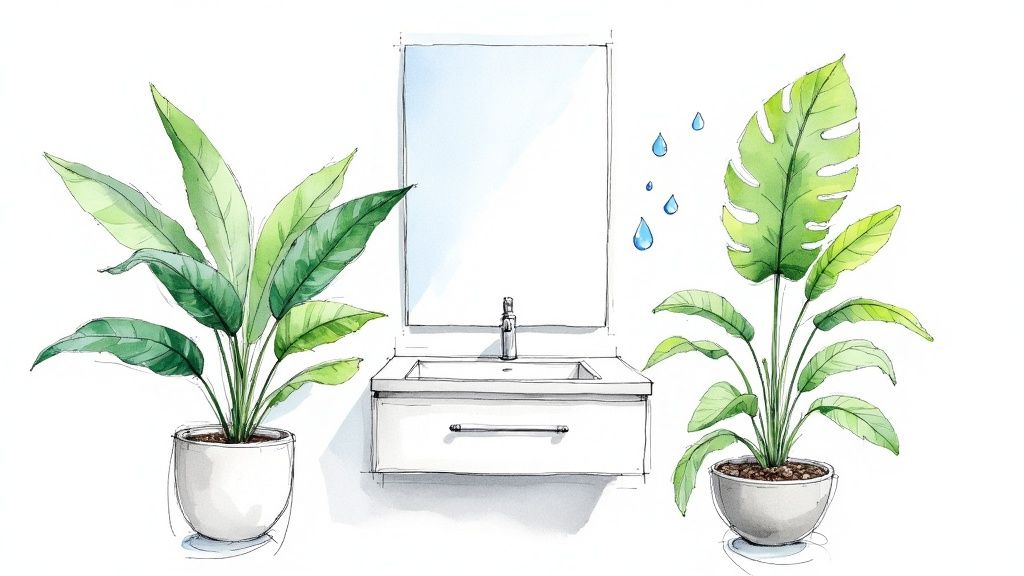
Ready to start your plant-hunting adventure? Finding good indoor plants for home across Aotearoa is a pretty exciting journey, but it comes with its own unique set of rules. Unlike a lot of other countries, our plant market is heavily shaped by New Zealand's world-class biosecurity system.
This has a huge impact on what you can actually get your hands on. Since 2017, the Ministry for Primary Industries (MPI) has restricted the import of many popular houseplants, including certain Monsteras and Fiddle Leaf Figs, all to protect our precious local environment. This has created a unique situation where sky-high demand meets very limited supply, making some of the trendier plants harder to find and a lot more expensive here.
But don’t let that put you off. There are still plenty of amazing places to find your perfect green companion.
Navigating the Local Plant Scene
Knowing where to look is half the battle when it comes to finding healthy, happy plants. Each option offers a totally different experience, from the massive selections at big-box stores to rare finds from specialist growers.
-
Big-Box Retailers (Mitre 10, Bunnings): These places are super convenient and often have a great selection of common, easy-care houseplants at really reasonable prices. They're a brilliant starting point for beginners, though the plant care advice can sometimes be a bit on the general side.
-
Independent Garden Centres: Your local garden centre is a fantastic resource. They often stock a wider, more interesting variety of plants, and the staff are typically very knowledgeable and passionate – always ready to offer specific advice for local conditions.
-
Specialist Online Nurseries: If you're hunting for something a bit special or rare, online nurseries are your best bet. They offer expertly grown plants, often packaged with incredible care and delivered right to your door. It’s a great way to access growers from all over the country.
-
Online Marketplaces (Trade Me, Facebook): These platforms can be absolute treasure troves for bargains and hard-to-find gems. You can connect directly with local hobbyists and collectors selling cuttings or established plants, often for a fraction of the retail price. Just be sure to check the seller's ratings and have a good look at the photos before you commit.
No matter where you shop, always give a potential new plant a quick health check. Look for vibrant, healthy leaves without any brown spots or pests, and check that the soil isn't completely waterlogged or bone-dry.
Choosing Your First Plant
So, where should you go? It really depends on what you're looking for. If you’re just starting out and want something reliable like a Snake Plant or a classic Pothos, a trip to your nearest big-box store is a great, low-risk option.
But if you have your heart set on a particular variety or want to support a small local business, an independent garden centre or a specialised online store is the way to go. Exploring all the different places is part of the fun of growing your collection.
For a bit more inspiration, check out our guide on some great indoor houseplants for Kiwi homes.
Styling Greenery to Elevate Your Decor
Plants aren't just living things; they're dynamic, versatile elements of interior design. Choosing the right plant for your home is step one, but how you style it can completely transform the look and feel of a room. It’s all about moving beyond a simple pot on the windowsill and starting to use greenery with real intention.
You can use plants to create a dramatic focal point, to soften the hard lines of your furniture, or to inject a much-needed pop of vibrant colour into a neutral space. The right plant, in the right pot, in the right spot, becomes a key piece of your home's unique story.
Match Plants to Your Interior Style
A common mistake is thinking any old plant works with any decor. For a truly cohesive look, try pairing your greenery with your home's existing aesthetic. This thoughtful approach ensures your plants complement, rather than clash with, your style.
-
Minimalist and Modern: Go for plants with strong, architectural shapes. The sharp, upright leaves of a Snake Plant or the sculptural form of a Fiddle Leaf Fig add clean lines and a touch of organic structure without creating any clutter.
-
Bohemian and Eclectic: This style is all about creating a lush, layered feel. It's your chance to embrace trailing plants like Pothos or String of Pearls cascading from shelves. Group a variety of plants with different textures and leaf shapes together to build your very own indoor jungle.
-
Classic and Traditional: Elegant plants with a timeless appeal work beautifully here. Think of the graceful, arching fronds of a Boston Fern or the glossy, dark leaves and striking white spathes of a Peace Lily to add a touch of quiet sophistication.
The secret to great styling is treating your plant like a piece of art. Consider its shape, colour, and texture, and think about how it interacts with the light and space around it.
The Power of the Perfect Pot
The container your plant lives in is just as important as the plant itself. A planter is essentially the frame for your living artwork, and choosing the right one can tie your entire look together. Think about materials that echo other elements in your room—a ceramic pot that picks up a colour from a cushion, or a terracotta pot for a rustic, earthy vibe.
Don't be afraid to play with scale and height, either. Use plant stands to lift smaller plants off the floor, creating different levels and drawing the eye upward. Grouping plants of varying sizes together creates a lush, interesting display that feels both natural and intentional.
For a truly unique feature, you could even learn how to create a terrarium and build a miniature ecosystem that adds a magical touch to any tabletop.
Common Plant Care Questions Answered
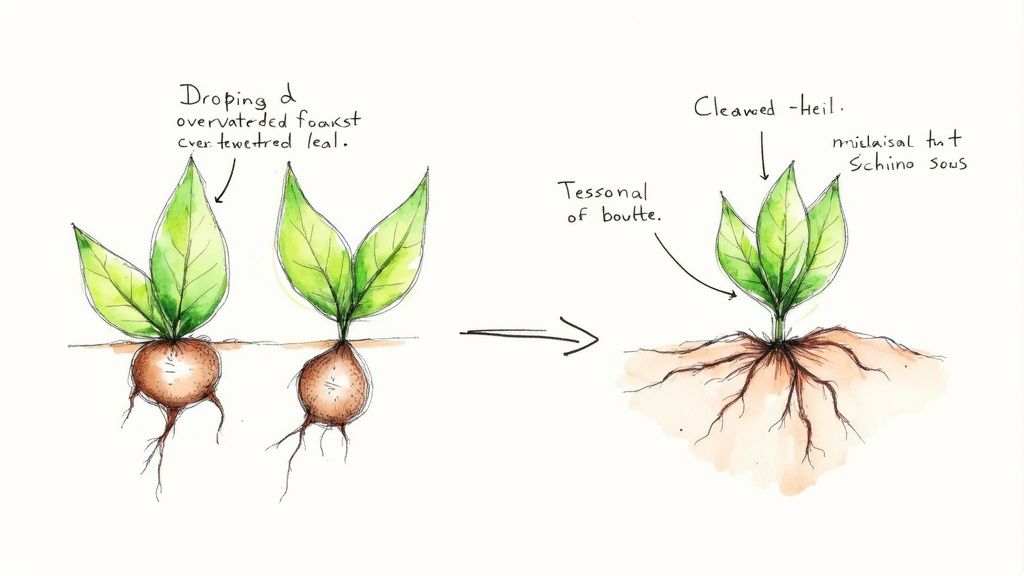
Even with the best intentions, every plant parent hits a bump in the road. Whether it’s a mysteriously yellowing leaf or some tiny, unwanted guests, these challenges are all part of the journey. This quick-fire FAQ section is here to give you clear, straightforward answers to some of the most common issues we see.
The houseplant scene in New Zealand is absolutely booming. A 2022 survey of over 860 Kiwi plant enthusiasts found that most people have a collection of 31 to 50 plants, and over 70% had added to their green family in the last six months alone. While 76% of us still love browsing physical stores, many are also heading to online sellers, Facebook, and TradeMe for their next find. You can dive deeper into Kiwi houseplant trends and buying habits to see how the community is growing.
How Do I Deal With Pests?
Finding pests on your beloved plants is always a bit gut-wrenching, but it's usually fixable. Here in New Zealand, the most common indoor culprits are fungus gnats (those annoying little flies buzzing around the soil), spider mites, and mealybugs.
- Isolate the Plant: First things first, get that plant away from its neighbours. This is your best move to stop the pests from spreading.
- Identify and Treat: For mealybugs and spider mites, a simple spray of diluted neem oil or insecticidal soap on the leaves works wonders. For fungus gnats, the trick is to let the top layer of soil dry out completely between waterings to break their life cycle.
Why Are My Plant’s Leaves Turning Yellow?
Yellow leaves can mean a few things, but more often than not, it comes down to watering—either too much or too little. Before you panic, just feel the soil. If it’s soggy, you’re likely overwatering. If it’s bone-dry and pulling away from the pot, your plant is probably thirsty.
Think of a yellow leaf as your plant's way of sending you a message. Your job is to play detective and figure out what it's trying to tell you about its environment.
Another common cause, especially during our Kiwi winter (June to August), is the plant simply shedding older leaves as it saves energy when light levels are lower. If it's just one or two lower leaves and the rest of the plant looks fine, it's probably nothing to worry about. Try adjusting your watering schedule to match the slower winter growth and make sure your plant isn't sitting in a cold draught.
Ready to grow your own stunning indoor oasis? At Jungle Story, we connect you with New Zealand's best growers, offering everything from hardy beginner plants to rare collector's items. Find your perfect green companion today at https://junglestory.co.nz.