
Picture a living sculpture in your garden, one that shifts through breathtaking colours from spring to autumn, then reveals an elegant, branching form in the dead of winter. That's the unique charm of the Japanese maple, a species that fits right into Kiwi gardens thanks to its manageable size, incredible seasonal beauty, and surprising resilience.
Why Japanese Maples Are Perfect for Kiwi Gardens
A Japanese maple is so much more than just a tree—it's a year-round statement piece. Unlike those big, sprawling trees that can quickly take over a backyard, Japanese maples bring an architectural grace without hogging all the space.
Their relatively small stature makes them a fantastic choice for modern New Zealand properties, whether you have a compact urban courtyard in Auckland or a more generous suburban garden down in Christchurch. They don't just fill a space; they define it.
Year-Round Visual Interest
The real magic of a Japanese maple is its four-season performance. You’re guaranteed a constantly evolving display of colour and texture, ensuring your garden never looks dull or static.
Here’s what you can look forward to as the Kiwi seasons turn:
- Spring (September - November): Delicate new leaves unfurl in stunning shades of lime green, fiery red, or soft pink, waking the garden up after a long winter.
- Summer (December - February): The foliage deepens into its full, rich colour, creating dappled shade and a lush backdrop for your other plants.
- Autumn (March - May): This is their moment. The leaves put on a fiery show of crimson, orange, and gold. It’s an unforgettable display that’s hard to beat.
- Winter (June - August): Once the leaves drop, the tree’s intricate, often sculptural branch structure is revealed, adding a stark, elegant beauty to the winter landscape.
A well-placed Japanese maple acts as a natural work of art. Its graceful form and stunning foliage provide structure and drama, anchoring your garden design and drawing the eye with its sophisticated presence.
Adaptability to New Zealand's Climate
They might look delicate, but many Japanese maple varieties are surprisingly tough and well-suited to New Zealand’s varied climates. They feel right at home in the temperate conditions found across most of the country, from the warmer north to the cooler, crisper air of the South Island.
As long as you pick the right spot—especially one with protection from the harsh afternoon sun and strong winds—they establish beautifully. Their versatility makes them a brilliant fit for all sorts of landscaping ideas in NZ, working just as well with native plantings as they do in more formal garden styles. Ultimately, a Japanese maple is an investment in lasting beauty for your home.
Choosing the Right Japanese Maple for Your Garden
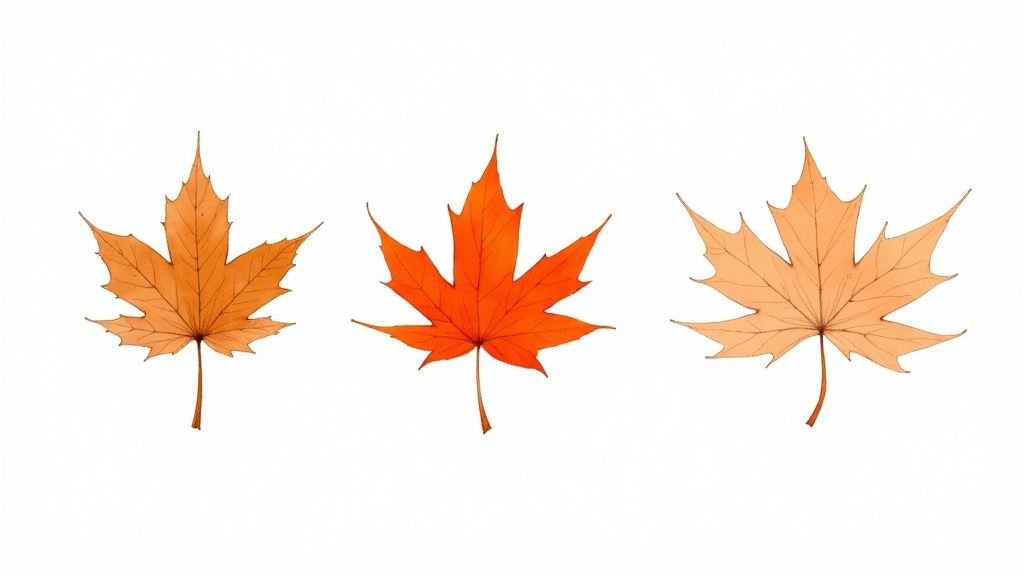
Walking into a local garden centre and seeing the sheer variety of Japanese maples can be a little daunting. With so many stunning options, how do you even begin to choose the right one for your patch?
The secret isn't just about falling for the prettiest leaves. It’s about matching the tree's personality—its growth habit, size, and needs—to your garden's unique conditions. Getting this right from the start means you’ll have a cherished feature for years, not a source of frustration.
Upright vs Weeping: What's Your Garden Style?
The first big decision comes down to shape. Japanese maples generally fall into two main camps: upright and weeping (also known as dissectum). Each brings a completely different feeling to a garden, so this choice will really set the tone for your landscape design.
Upright varieties grow skyward, forming that classic small tree or large shrub shape. They're perfect for creating a focal point, adding a bit of height to a garden bed, or framing an entryway. Think of cultivars like 'Sango Kaku' (the Coral Bark Maple), which is famous for its bold structure and incredible winter bark.
Weeping varieties, on the other hand, have a softer, cascading habit. Their branches arch downwards, creating a flowing texture that looks amazing near ponds, spilling over retaining walls, or as a feature in a decorative pot where you can really appreciate their graceful form up close.
Reading Your Garden's Conditions
Before you set your heart on a specific tree, it pays to take a hard look at your garden. A beautiful tree in the wrong spot is a recipe for a struggling plant. In New Zealand, three things are crucial for success.
- Sun Exposure: Many people think Japanese maples are strictly for the shade, but most actually prefer a bit of morning sun followed by afternoon shade. Our intense Kiwi sun, especially in summer, can easily scorch their delicate leaves. A spot sheltered from that harsh western sun is the sweet spot.
- Wind Protection: Strong, relentless wind is the arch-nemesis of a Japanese maple. It dries out their leaves faster than the roots can drink, leading to tattered, burnt-looking foliage. Planting near a fence, a wall, or amongst other shrubs can provide the shelter they crave.
- Soil Type: These trees need well-draining soil—they absolutely hate having "wet feet." This can lead to root rot, which is a common problem in the heavy clay soils found across parts of NZ. If your soil is on the heavy side, you’ll need to work in some compost and organic matter to improve its structure and drainage before you even think about planting.
Choosing a maple is a partnership between your vision and your garden's reality. By understanding your site's sun, wind, and soil, you give your tree the best possible chance to not just survive, but to truly flourish.
Popular Japanese Maple Cultivars in New Zealand
To help you narrow down the choices, we've put together a list of popular Japanese maple cultivars that do exceptionally well in our local conditions.
This table highlights some top varieties suited for NZ gardens, comparing their key features to help you find the perfect match for your space.
| Cultivar Name | Type | Mature Size (NZ) | Key Feature | Best For |
|---|---|---|---|---|
| 'Sango Kaku' | Upright | 4-5 metres | Brilliant coral-red bark in winter | Creating winter interest and a strong focal point. |
| 'Bloodgood' | Upright | 4-5 metres | Deep, rich burgundy-red leaves | A classic choice for reliable, deep foliage colour. |
| 'Inaba Shidare' | Weeping | 1-2 metres | Holds its deep purple-red colour well | Cascading over walls or as a feature in a pot. |
| 'Viridis' | Weeping | 1.5-2 metres | Bright, lime-green lacy leaves | Brightening up a semi-shaded spot with fine texture. |
| 'Shaina' | Dwarf Upright | 1-1.5 metres | Compact, dense growth with bright red leaves | Small gardens, rockeries, and container growing. |
From their spectacular autumn colour to a size that fits neatly into smaller suburban sections, it's easy to see why these trees are so popular across New Zealand.
Here, most cultivars mature to a manageable height of 1 to 5 metres, with a canopy spread that's roughly equal to their height. Local favourites range from vibrant upright types like the 'Coral Bark' to elegant weeping forms such as 'Inaba Shidare'. For a deeper dive into what's available locally, you can learn about Japanese maple varieties from The Plant Company.
Planting Your Japanese Maple for Long-Term Success
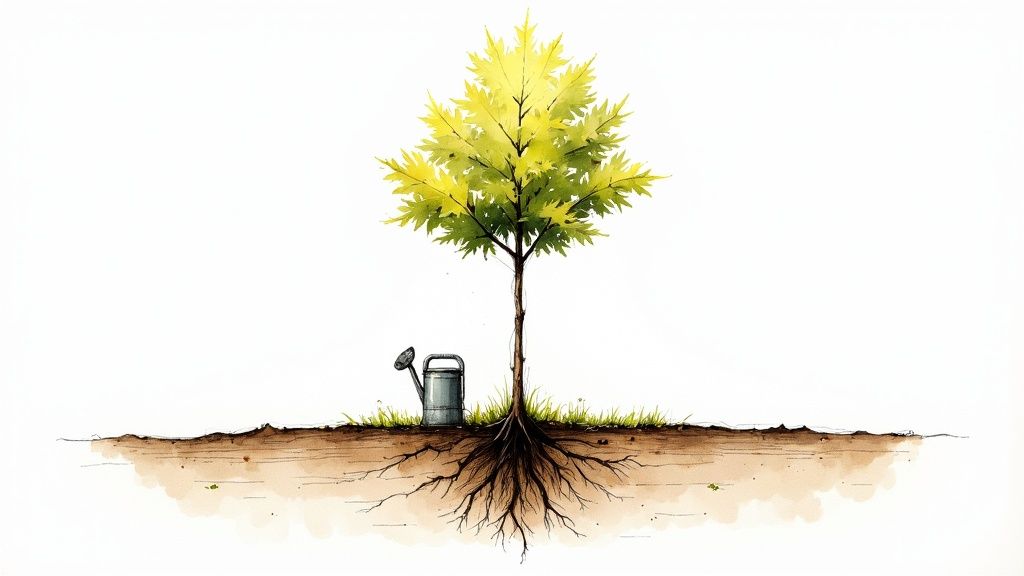
The first day your Japanese maple spends in the garden is probably the most important of its life. How you plant it sets the stage for decades of health, strong structure, and that stunning colour you’ve been dreaming of. Think of it as writing the first, and most crucial, chapter of your tree’s story.
It’s not a complicated job, but getting it right means paying attention to a few details, especially for our unique conditions here in New Zealand. By prepping the site properly and handling the tree with a bit of care, you’re encouraging it to establish a robust root system from day one. That’s what will see it through summer droughts and winter chills for years to come.
Preparing the Perfect Planting Site
Before your spade even touches the soil, have one last look at your chosen spot. In a Kiwi garden, the ideal location protects a Japanese maple from its two biggest enemies: the harsh afternoon sun and relentless wind. Dappled morning light is perfect, but shelter from that intense western sun is an absolute must to prevent leaf scorch.
Once you’re happy with the location, it’s all about the soil. Most New Zealand soils, especially our heavy clays, need a bit of a helping hand to create the perfect home for a maple’s fine, delicate roots.
- Improve Drainage: Japanese maples absolutely hate wet feet. Waterlogged soil is the fastest way to root rot, so if you’re on heavy clay, improving drainage is non-negotiable.
- Add Organic Matter: Dig in generous amounts of good quality compost or well-rotted bark fines. This opens up the soil structure, letting air and water move more freely.
- Consider Pumice: For really stubborn, heavy soils, mixing in pumice can be a game-changer. It dramatically improves aeration and creates an ideal environment for those fine roots to thrive.
A common mistake is just digging a hole and plonking the tree in. Instead, you should be preparing the entire surrounding area—at least twice the width of the root ball. Think of it as creating a welcoming new neighbourhood for the roots to explore.
The Step-by-Step Planting Process
With your site prepped, you’re ready for the main event. Here in New Zealand, autumn is generally the best time to plant. The soil is still warm, which gives the roots a chance to get established before the winter chill really sets in. Early spring is your next best bet.
Just follow these steps, and you can’t go wrong:
- Dig the Right-Sized Hole: Your hole needs to be twice as wide as the container the tree came in, but no deeper. This is key, as it encourages the roots to spread outwards into that lovely improved soil you just prepared.
- Check the Planting Depth: This is critical. Carefully slide the tree from its pot and place it in the hole. You want the top of the root ball to sit just slightly above the surrounding ground level. Planting too deep is one of the main reasons Japanese maples fail.
- Tease the Roots: If the roots are a tangled, spiralling mess (what we call root-bound), gently tease them out with your fingers. This encourages them to grow out into their new home instead of just circling around on themselves.
- Backfill with Care: Fill the hole back in with the amended soil you dug out earlier. Don’t be tempted to throw fertiliser directly into the hole – it can burn the delicate new roots.
- Water Thoroughly: Give your new maple a good, deep, slow watering. This helps to settle the soil around the roots and gets rid of any air pockets.
First-Year Care Essentials
The final touches after planting are what really give your tree the best possible start. A couple of simple actions will help conserve moisture, protect the roots, and support the tree as it gets used to its new surroundings.
Mulch is your tree’s best friend. Apply a 5-7 cm layer of organic mulch, like bark chips or leaf mould, over the entire root zone. Just make sure to keep the mulch a few centimetres away from the trunk itself to prevent collar rot. This simple step keeps the soil cool, holds in moisture, and keeps the weeds down.
For its first year, and especially through its first Kiwi summer, your Japanese maple will need consistent watering. Check the soil every few days by poking a finger in, and give it a deep soak whenever the top few centimetres feel dry. This consistent care ensures your maple establishes itself quickly, ready to reward you with years of garden magic.
A Seasonal Care Calendar for NZ Gardeners
Looking after a Japanese maple in New Zealand isn’t a one-and-done job. It's more of a gentle rhythm that flows with the Kiwi seasons. Each time of year asks for something a little different, from giving a nudge to that first flush of spring growth to setting the stage for that incredible autumn blaze.
Once you get a feel for what your tree needs and when, you can stop reacting to problems and start being a true partner in its health. It’s the secret to making sure it remains a stunning, healthy centrepiece in your garden for decades. This calendar breaks down the year into simple, manageable steps.
Spring Revival (September – November)
As New Zealand shakes off the winter chill, your Japanese maple starts to wake up. This is the season of fresh, vibrant growth, when those delicate leaves unfurl in a truly stunning display. Your main job is simply to give the tree the gentle support it needs for this energetic phase.
Now is the perfect time for a light feed. Japanese maples really aren't greedy plants, so a single dose of a slow-release fertiliser made for trees and shrubs is all it needs for the entire year. This gives it a steady supply of nutrients to fuel that new foliage without forcing weak, leggy growth.
Also, keep a close eye on the watering. Spring weather can be all over the place, from surprise dry spells to endless downpours. The goal is just to keep the soil consistently moist—damp to the touch, but never a soggy bog.
Summer Vigilance (December – February)
The New Zealand summer, with its intense sun and drying winds, can be the toughest season for a Japanese maple. Your focus during these warmer months is all about hydration and protection to avoid the dreaded leaf scorch, which shows up as brown, crispy edges on the leaves.
Deep, infrequent watering is way more effective than a light daily sprinkle. A good, thorough soaking once or twice a week during dry patches encourages the roots to grow deeper, which makes the tree much more resilient in the long run. Always aim the water at the root zone, not over the leaves.
Your most powerful tool in summer is a healthy layer of mulch. A 5-7 cm layer of bark chips or leaf mould acts like a protective blanket, keeping the soil cool, locking in precious moisture, and stopping weeds from stealing water.
Check the mulch you laid down last year. If it’s looking a bit thin, top it up. Just be sure to keep it a few centimetres away from the trunk itself to avoid any chance of collar rot. For the really sensitive cultivars in scorching hot, exposed spots, putting up some temporary shade cloth can offer a welcome break from the harsh afternoon sun.
Autumn Preparation (March – May)
This is the season your Japanese maple has been waiting for—time for its spectacular autumn colour show. As the days get shorter and the nights cooler, the tree starts getting ready for its winter sleep. All you need to do is help it along.
Keep watering as needed, especially if your part of the country is having a dry autumn. A tree that’s well-hydrated will often put on a more vibrant and longer-lasting colour display. Hold off on any pruning or fertilising right now, as you don't want to encourage any new growth that won’t have time to harden up before the first frosts hit.
Honestly, this season is mostly for you to just sit back and appreciate the show. Let the tree do its thing and enjoy the incredible display of crimson, orange, and gold that makes the Japanese maple a true Kiwi garden favourite. It's a good idea to rake up fallen leaves to keep the garden tidy and reduce the chance of any fungal issues hanging around over winter.
Winter Dormancy and Pruning (June – August)
Once the leaves are gone, your maple slips into a deep rest. This winter dormancy is the perfect—and really, the only—time to do any significant pruning. With the branches bare, you can see the tree's true form, which makes it much easier to make thoughtful cuts without leaves getting in the way.
Pruning a Japanese maple is all about enhancing its natural, graceful shape, not hacking it into something it's not. Just focus on a few key tasks:
- Remove dead or damaged wood: Snip off any branches that have died back or been snapped by the wind.
- Fix crossing branches: Look for branches that are rubbing against each other. This can create wounds, so remove the weaker of the two.
- Improve air circulation: Gently thin out any areas that look overly crowded to let light and air move through the canopy.
Always use sharp, clean secateurs or a pruning saw to make your cuts. If you're new to this, our guide on a similar task, pruning hydrangeas in NZ, has some great foundational tips on making clean cuts and looking after your tools that apply here too. For young trees in colder spots like Canterbury and Otago, a layer of frost cloth can provide crucial protection on those really bitter nights.
To make things even simpler, here's a quick cheat sheet for your Japanese maple care throughout the year.
Year-Round Japanese Maple Care Schedule for NZ
| Season (NZ) | Key Tasks | Primary Focus |
|---|---|---|
| Spring (Sep - Nov) | Apply slow-release fertiliser. Monitor soil moisture. | Supporting new leaf growth and establishment. |
| Summer (Dec - Feb) | Water deeply and infrequently. Check and top up mulch. | Preventing leaf scorch and conserving moisture. |
| Autumn (Mar - May) | Continue watering as needed. Rake up fallen leaves. | Supporting vibrant colour and preparing for dormancy. |
| Winter (Jun - Aug) | Prune dead, damaged, or crossing branches. | Shaping the tree and improving its structure. |
This rhythm of care ensures your tree has what it needs, when it needs it, setting it up for a long and beautiful life in your garden.
Troubleshooting Common Problems and Pests

Even with the best care in the world, your Japanese maple might show a few signs of stress. Don't panic. Think of it as your tree’s way of telling you what it needs. With a little detective work, you can usually diagnose and manage most common issues before they turn into serious problems.
A lot of the time, what looks like a disease is actually just a reaction to environmental stress, especially here in our unique Kiwi conditions. Figuring out the difference is the first step to getting your tree back to its brilliant self.
Spotting Environmental Stressors
Before you jump to conclusions about pests or disease, always check the environment first. The number one issue we see in New Zealand gardens is leaf scorch, which shows up as brown, crispy, or "burnt" edges on the leaves.
This isn't a fungus. It's a sign that the tree is losing water through its leaves faster than the roots can drink it up. This is a classic Kiwi summer problem, brought on by our intense sun, drying winds, and sometimes inconsistent watering.
Our soil can be another challenge. Heavy clay, which is common across the country, can lead to root problems if it wasn't improved before planting. If a tree's roots are sitting in waterlogged soil, you might see yellowing leaves and a general lack of energy—a clear sign its roots are suffocating.
Common Pests in Kiwi Gardens
While they're pretty tough, Japanese maples can occasionally attract a few garden-variety pests. Spotting them early makes them much easier to deal with.
- Aphids: You’ll find these tiny, sap-sucking insects clustered on new spring growth. They leave behind a sticky residue called "honeydew," which can then lead to sooty mould.
- Scale Insects: These look like little hard bumps on the stems and under the leaves. Just like aphids, they feed on the tree's sap, which can weaken it over time.
- Mites: Spider mites are almost invisible, but you'll know they're there by the fine webbing and a dusty, stippled look on the leaves. They absolutely love hot, dry weather.
The best defence against pests is a healthy tree. A well-watered, properly sited Japanese maple is far more capable of shrugging off minor pest infestations than a tree that is already stressed by its environment.
Gentle and Effective Solutions
When you spot a problem, it’s tempting to grab a powerful chemical spray, but a softer touch is often more effective and much better for your garden's ecosystem.
Managing Pests:
- Physical Removal: For a small aphid problem, a sharp spray of water from the hose is usually enough to knock them off. You can also just wipe them away with a damp cloth.
- Horticultural Oils: For more stubborn pests like scale and mites, a horticultural or neem oil spray works wonders. Applying it in winter when the tree is dormant is a great way to smother any overwintering eggs and insects.
- Encourage Predators: Ladybirds and lacewings are your friends—they love to eat aphids. Making your garden a welcoming place for these beneficial insects creates a natural pest control system.
Addressing Environmental Stress:
When it comes to leaf scorch, prevention is key. Make sure your tree gets a deep, consistent watering during dry spells, especially from December to February. A thick layer of mulch is a must; it keeps the soil cool and moist, acting as a crucial buffer against heat stress.
If your soil is the issue, improving drainage around an established tree can be a bit tricky. The main thing is to avoid overwatering. You can also try gently aerating the soil around the tree with a garden fork to get more oxygen to the roots. For any future plantings, always take the time to amend heavy soil with compost and pumice to create that free-draining home a Japanese maple tree nz loves.
Where To Find Healthy Japanese Maple Trees in NZ
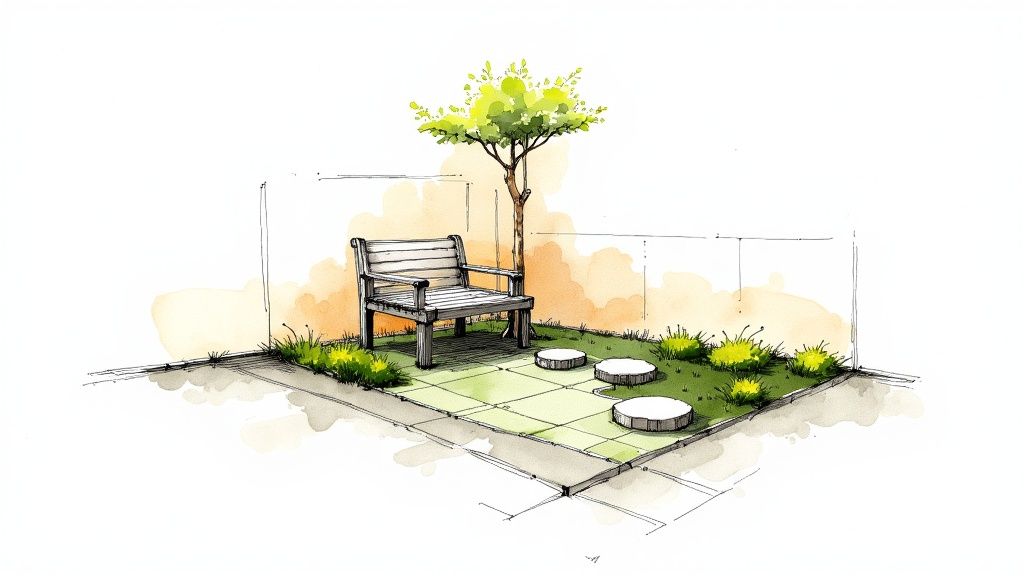
The journey to a magnificent maple starts with tracking down a healthy, high-quality plant. Finding the right tree is every bit as important as preparing the perfect spot for it in your garden. In New Zealand, you've got a couple of fantastic options, each with its own pros.
Your local garden centre is a great place to start. They're convenient and usually stock a good range of the most popular, tried-and-true cultivars. But if you're after something a bit special, a specialist maple grower or a dedicated tree nursery is the way to go. These places often have a much wider selection, including rare and unusual varieties, and you get the bonus of expert advice from people who truly live and breathe these incredible trees.
What To Look For When Buying a Tree
No matter where you end up, learning how to inspect a tree like a pro is the secret to bringing home a winner. This first health check is absolutely crucial to make sure your maple is set up for a long and happy life from day one.
Here’s what to keep an eye on before you buy:
- A Strong Graft Union: Most Japanese maples are grafted. Look for a clean, well-healed join low on the trunk. It should look like a neat, solid bump where the desirable variety meets the rootstock, not a messy, weeping wound.
- Healthy Root System: Don’t be shy! Gently slide the tree out of its pot for a peek. The roots should be firm and light-coloured, filling the container but not wound into a dense, tangled mess. Steer clear of any trees with dark, mushy, or circling roots.
- Good Branch Structure: You're looking for a balanced shape, with branches spaced evenly around the trunk. Avoid trees with major crossing or rubbing branches—you'll only have to prune them out later.
- No Signs of Stress: Healthy leaves should be vibrant and properly formed. Give a pass to any trees with lots of crispy leaf edges, yellowing foliage, or signs of pests like fine webbing or sticky residue.
Picking a healthy specimen is your first, best investment. A strong root system and a clean graft are the foundations of a tree that will thrive for decades, while a stressed or root-bound plant will struggle right from the get-go.
Choosing plants already adapted to your local climate also gives you a massive head start. Regional climate zones across NZ have a big say in how well your maple will do. In cooler spots like Canterbury and Otago, growers report fewer issues with pests and diseases, pushing survival rates above 80% for well-cared-for trees. On the other hand, in warmer, coastal regions like Northland, gardeners often battle heat stress and root rot, which can lower survival rates to around 65% without extra attention to soil drainage. You can read more about these environmental factors.
While we're talking about outdoor beauties, don't forget that the same principles apply to indoor plants. If you're looking to bring some green inside, have a look at our guide on some of the great indoor houseplants for Kiwi homes.
Got Questions? We've Got Answers
Even with the best guides, a few specific questions always seem to pop up. Here are some straightforward answers to the queries we hear most often from fellow Kiwi gardeners.
When Is the Best Time to Prune a Japanese Maple in NZ?
The perfect window for any serious structural pruning is during winter dormancy, which for us in New Zealand is usually from late June to early August. When the tree is bare, you can really see the branch structure clearly, and pruning then minimises sap loss and overall stress on the plant.
Of course, you can snip off any small, dead, or damaged twigs whenever you spot them throughout the year. The main goal is always a light touch—you want to enhance the tree's stunning natural shape, not force it into something it isn't.
Can I Grow a Japanese Maple in a Pot?
Absolutely! This is one of their best features. Dwarf and weeping varieties are particularly brilliant for container gardening, making them a perfect fit for patios, balconies, or small courtyards.
The secret to success is choosing a decent-sized pot with excellent drainage holes and using a top-quality, free-draining potting mix. Just remember that potted maples dry out much faster than their garden-planted cousins. You'll need to keep a close eye on their water levels, especially during those warm, windy Kiwi summer days.
Why Are the Tips of My Maple's Leaves Turning Brown and Crispy?
Ah, the classic 'leaf scorch'. This is a very common sight in Japanese maple trees in NZ gardens, so don't panic! It's not a disease but a sign of stress, usually caused by a combo of intense sun, drying winds, and not quite enough water at the roots.
While you can't reverse the damage on the already scorched leaves, you can stop it from getting worse. Make sure you're providing consistent, deep watering, and add a generous layer of mulch to keep the root zone cool and moist. For the really sensitive cultivars, a bit of shelter from the harsh afternoon sun can make all the difference.
How Often Should I Fertilise My Japanese Maple?
Japanese maples are surprisingly light feeders; in fact, they much prefer a lean diet. Pushing too much fertiliser on them can lead to weak, spindly growth that's far more susceptible to snapping in the wind or attracting pests.
A single feed with a slow-release fertiliser designed for trees and shrubs in early spring (around September) is typically all they need for the entire year. If your tree is in a pot, it might appreciate a half-strength liquid feed every few weeks during the peak growing season, from spring into early summer.
Ready to find the perfect living sculpture for your garden? Jungle Story connects you with a huge range of beautiful Japanese maples and everything else you need to create your dream outdoor space. Explore our marketplace and start your journey today.