
Step into the enchanting world of the frangipani (Plumeria), the flower that truly captures the spirit of the tropics. If you've ever dreamt of bringing a slice of paradise to your backyard, you're in the right place. These stunning trees are a firm favourite across New Zealand, thriving everywhere from the balmy tip of Northland down to protected gardens further south.
Think of this guide as your complete roadmap to growing a magnificent frangipani of your own.
What's So Special About Frangipani?
A frangipani is so much more than just another pretty plant—it's a whole mood. The fragrance alone is unforgettable, a rich, intoxicating blend that often brings to mind jasmine, citrus, and gardenia. It's the kind of scent that can instantly transport you to a sun-drenched beach.
What’s fascinating is that each variety has its own unique perfume. Some are sweet and fruity, others lean towards spicy or complex notes, making the frangipani a multi-sensory delight in any Kiwi garden.
Beyond its incredible scent, the frangipani is steeped in cultural meaning. Across the world, it often symbolises new beginnings, beauty, and grace. In some traditions, it even represents immortality and the enduring strength of the soul, probably inspired by its amazing ability to flower and sprout new leaves even after being completely uprooted.
A Kiwi Garden Favourite
Though frangipanis are native to tropical places like Central America, Mexico, and the Caribbean, they’ve well and truly found a happy home here in New Zealand. They are surprisingly tough and adapt well to our temperate climate, as long as you give them what they need.
There are a few key reasons why gardeners up and down the country have fallen for them:
- Stunning Summer Colour: From late spring right through autumn, the frangipani puts on a spectacular show with clusters of its iconic pinwheel-shaped flowers. It’s an instant hit of exotic colour.
- A Striking Winter Silhouette: Even when it drops its leaves for its winter rest (which is normal and necessary here), the tree’s bare, sculptural branches create a dramatic feature against a crisp winter sky.
- Surprisingly Low-Effort: Once you get it settled in the right spot, a frangipani is wonderfully drought-tolerant and doesn't demand a lot of fuss. This makes it a fantastic, rewarding choice for gardeners of all skill levels.
We’ve written this guide specifically with New Zealand conditions in mind. We'll walk you through everything, from picking the perfect variety for your region to nailing the seasonal care that will get you incredible blooms, year after year. Let’s get started.
Choosing the Best Frangipani for Your Garden
Picking the right frangipani is the first exciting step towards filling your garden with that unforgettable tropical fragrance and colour. It’s a bit like choosing a new pet; each variety has its own distinct personality, look, and needs. For Kiwi gardeners, the choice often comes down to balancing those stunning flowers with practical things like your local climate and how much space you've got.
The good news is there are some fantastic options that do really well in New Zealand. Let's walk through the most popular types and find the perfect match for your backyard paradise.
The Classic Choice: Plumeria Rubra
When you picture a frangipani, you’re almost certainly thinking of Plumeria rubra. This is the classic, deciduous species that has captured the hearts of gardeners everywhere and is easily the most common type you'll find in New Zealand.
It’s famous for its iconic, sculptural branches that look striking even in winter, and for pumping out heaps of incredibly fragrant flowers from summer right through to autumn. Its adaptability and sheer variety of colours make it a brilliant starting point for anyone.
The cultivars of Plumeria rubra offer a stunning palette:
- Classic White and Yellow: Think of varieties like 'Celadine'. They often have the strongest, sweetest citrus-like fragrance, which really comes alive in the evening.
- Pretty Pinks: Ranging from soft, pastel pinks to vibrant cerise, these add a gentle, romantic feel to the garden. Their scent is often more delicate and floral.
- Rich Reds and Oranges: Often called "sunset" varieties, these bring a fiery, tropical punch. Their fragrance can be more complex and spicy—a truly exotic aroma.
Because Plumeria rubra is deciduous, it drops its leaves in autumn and goes dormant over winter. This is actually its secret weapon, helping it cope with cooler, wetter Kiwi winters. This makes it a tough and reliable choice for most parts of the country, as long as it gets some protection from heavy frost.
The Evergreen Alternative: Plumeria Obtusa
For those lucky enough to live in the warmest, most sheltered parts of New Zealand—like Northland or frost-free coastal spots—Plumeria obtusa is a spectacular option. Commonly known as the 'Singapore White', this species is evergreen, meaning it holds onto its glossy, dark green leaves all year round.
Its flowers are typically a brilliant, pure white with a tiny yellow centre, and they have a beautiful, clean fragrance. The rounded shape of its leaves gives it a lush, full appearance throughout the year, which is a big plus.
The key thing to remember is its sensitivity to cold. Unlike the deciduous Plumeria rubra, the evergreen Plumeria obtusa doesn't have a natural dormancy period to protect itself. A frost will damage its leaves and can harm the plant, so it’s only suitable for truly warm microclimates.
To help you decide, here’s a quick comparison of some popular varieties that grow well here in New Zealand.
Popular Frangipani Varieties for New Zealand Gardens
| Variety (Species/Cultivar) | Flower Colour & Fragrance | Foliage Type | Best Suited For (NZ Climate) | Approximate Mature Size |
|---|---|---|---|---|
| Plumeria rubra 'Celadine' | Classic white with a bright yellow centre. Strong, sweet, citrusy scent. | Deciduous | Most of NZ, with frost protection. Very reliable. | 3-5 metres |
| Plumeria rubra 'Aussie Pink' | Soft to medium pink with a yellow throat. Delicate, sweet floral scent. | Deciduous | Most of NZ, with frost protection. A classic choice. | 3-5 metres |
| Plumeria rubra 'Blood Red' | Deep, velvety red. A rich, spicy, and complex fragrance. | Deciduous | Most of NZ, but needs a warm spot for best colour. | 3-4 metres |
| Plumeria rubra 'Sunset' (Tri-Colour) | A blend of pink, yellow, and orange. Fruity, sweet fragrance. | Deciduous | Needs plenty of sun for vibrant colours. Frost protection is key. | 3-4 metres |
| Plumeria obtusa 'Singapore White' | Pure, waxy white with a small yellow eye. Clean, gardenia-like scent. | Evergreen | Strictly frost-free, warm coastal areas (e.g., Northland). | 3-6 metres |
This table gives you a starting point, but you'll find dozens of named cultivars out there. The main takeaway is to match the species—deciduous or evergreen—to your climate first.
Factors to Consider for Your NZ Garden
Choosing your frangipani involves a little more than just picking your favourite colour. Here are the crucial things to think about to make sure your plant will be happy.
1. Cold Tolerance and Your Region
This is the big one. If your area gets any real frost, a deciduous Plumeria rubra is your safest bet. You can give it some winter protection, and its natural dormancy will see it through. For those in genuinely frost-free spots, the evergreen Plumeria obtusa becomes a stunning possibility.
2. Mature Size and Space
Frangipani trees can get quite large, sometimes reaching 4-6 metres in height and width over many years. Think about the space you have. If you've got a smaller garden, patio, or deck, don't worry—frangipanis grow exceptionally well in large pots, which is a great way to control their size.
3. Fragrance and Flowering
Are you after a scent that fills the entire garden, or something more subtle? Generally, the classic yellow-and-white varieties offer the strongest perfume. Also, be patient! A newly planted frangipani might take a year or two to settle in before it starts flowering reliably.
Making the right choice upfront will set you on the path to success. If you're keen to create a garden filled with vibrant and unique blooms, you might find some more inspiration in our guide to growing tropical plants in NZ. It has some great ideas for getting that lush, exotic look.
How to Plant Your Frangipani for Success
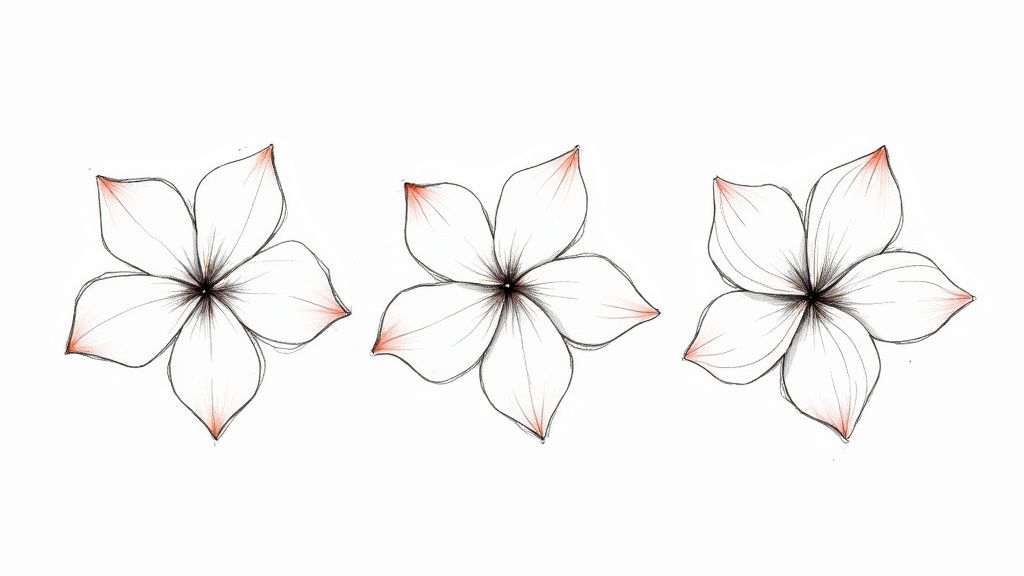
Getting the planting right is the single most important thing you can do for your frangipani. A strong start really does set the stage for a lifetime of healthy growth and those spectacular, fragrant flowers you’re dreaming of. This is your step-by-step guide to giving your plant the perfect home in your New Zealand garden.
Think of it like building a house – a solid foundation is everything. For this tropical treasure, that foundation comes down to three key things: the right time, the perfect spot, and the ideal soil. Get these right, and your plant won't just survive; it'll absolutely thrive.
Choosing the Right Time to Plant
Timing is everything in the garden, and that’s especially true for heat-loving plants like frangipani. Here in New Zealand, the best time to get them in the ground is during the warmer months, well after any risk of frost has completely passed.
You'll want to aim for late spring or early summer, typically from November through to January. Planting during this window gives your frangipani the whole summer to settle in and establish a strong root system before the cooler weather of autumn and winter arrives.
Finding the Perfect Spot
Where you plant your frangipani will have a massive impact on its health and its ability to flower. These plants are absolute sun-worshippers; they crave as much direct light and warmth as they can get.
Here’s what to look for when you're scouting out the perfect location:
- A North-Facing Position: In the Southern Hemisphere, a north-facing aspect gets the most sun and warmth all day long. For a happy frangipani, this is non-negotiable.
- Shelter from Wind: Those lovely, fleshy branches can be damaged by strong winds, which also strip moisture from the leaves. A spot sheltered by a wall, fence, or other larger plants is perfect.
- Radiated Heat: Planting against a wall or a solid fence is a fantastic trick. These structures soak up the sun’s heat during the day and radiate it back at night, creating a cosy microclimate that frangipanis adore.
A common mistake is picking a spot that seems sunny in summer but gets cast into deep shadow during winter. Take some time to watch the sun's path across your garden throughout the year. You need a spot that gets as much winter sun as possible, which is crucial for keeping the plant healthy during its dormancy.
Preparing the Soil
Frangipanis are surprisingly tough and drought-tolerant once established, but there's one thing they simply can't stand: "wet feet." Their roots are very prone to rotting in heavy, waterlogged soil. Because of this, creating a free-draining environment is absolutely critical for success.
If you’re planting in the ground and have heavy clay soil, you’ll need to do some prep work. Dig a hole much larger than the root ball and mix in generous amounts of sand, pumice, or fine gravel to improve the drainage. The goal is a light, gritty soil mix that lets water pass through easily. The success of your plant really does depend on good soil. For a deeper dive into understanding different soil types and how they affect your plants, this article is a great resource.
Growing Frangipani in Pots
Growing a frangipani in a container is a brilliant option, especially if you're in a cooler region or just short on garden space. It gives you complete control over the soil mix and lets you move the plant to a protected spot, like a covered deck or garage, over winter.
When choosing a pot, make sure it has plenty of drainage holes. Go for a high-quality potting mix designed for succulents and cacti, or mix your own by blending standard potting mix with perlite or pumice.
After planting, give your frangipani one good water to help settle the soil around the roots. Then, and this is important, hold back. Resist the temptation to overwater. You need to let the soil dry out completely before you water it again. This initial dry spell actually encourages the roots to spread out in search of moisture, building a strong, resilient foundation for your beautiful new tree.
A New Zealand Seasonal Care Calendar
Growing a thriving frangipani in New Zealand is all about working with the seasons, not against them. Unlike in their tropical homelands where the weather is steady year-round, our distinct seasons mean your care routine needs to change course every few months.
Think of this calendar as your go-to guide for what your frangipani needs and when. Following this rhythm will help you navigate its growth spurts, stunning flower displays, and all-important winter rest, ensuring it stays healthy and bursts into life when summer rolls around.
Summer Care (December – February)
Summer is showtime for your frangipani. The long, warm days and brilliant sun kickstart its peak growing and flowering season. Your main job now is to provide plenty of energy and water, but without smothering it.
When we get those really hot, dry spells, your frangipani will be thirsty for a deep watering. This is especially true for potted plants, which dry out much faster. The trick is to let the soil get almost completely dry before you water again. This mimics the rhythm it loves: a tropical downpour followed by a good dry-out.
This is also the time to feed. A consistent feeding schedule is what fuels those incredible flowers.
- Pick the Right Fertiliser: Go for a fertiliser that's high in potassium (K). This is the key nutrient that gets the flower show started.
- Time it Right: Feed your plant every three to four weeks throughout summer to give it a steady source of fuel.
- Water First, Always: Give the plant a good drink of plain water before you add any fertiliser. This simple step prevents the roots from getting burnt.
Getting the nutrition right is crucial. While this is an outdoor plant, many of the principles for choosing the right indoor plant fertilizer can be a great guide for potted frangipanis during their growing season.
Autumn Care (March – May)
As the days shorten and a chill creeps into the air, your frangipani starts winding down for its winter rest. You'll see the leaves begin to yellow and drop – don't panic! This is a perfectly normal and essential process for deciduous varieties like Plumeria rubra.
Your job in autumn is to help ease the plant into this dormant state. The single most important thing to do is cut right back on watering. As the plant stops growing, it barely needs any water at all.
As soon as you see those leaves yellowing and falling, start watering less and less. Watering a dormant frangipani is the fastest way to cause root rot, which is often fatal. By the time May arrives, you should have pretty much stopped watering altogether.
Winter Care (June – August)
Winter is the make-or-break season for frangipanis in New Zealand. The combination of cold and wet is the biggest danger your plant will face. Your number one priority is simple: keep it dry and protected from frost.
A dormant frangipani needs almost no water. Rain is its worst enemy during these months, as moisture sitting in cold soil will quickly rot the stem and roots from the ground up.
How to Protect Your Frangipani from Frost:
- If it's in a pot: This is a huge advantage. Simply move it somewhere sheltered. A covered deck, a dry garage near a window, or even inside in a sunny room will do the trick.
- If it's in the ground: For plants in frost-prone areas, you'll need to cover them with frost cloth on those cold, clear nights. Pop some stakes in the ground to create a simple frame so the cloth doesn't actually touch the tips of the plant.
These plants have had to adapt to survive here. In their native tropics, they're evergreen, but in New Zealand, they must go into a full winter dormancy and lose their leaves. This hibernation mode is usually triggered when the temperature consistently drops below 13°C, and that’s when protection is vital. The key is keeping their succulent branches dry, as they are incredibly prone to rot in cold, wet conditions.
Spring Care (September – November)
As the weather finally starts to warm up, you’ll see the first signs of life. Tiny new leaf claws or even the beginnings of flower stalks will start pushing out from the branch tips. This is your signal to gently wake your frangipani up.
Don't be tempted to rush it. Wait until you see definite new growth before you even think about watering. When you do, start with just a small drink and gradually increase how often you water as the new leaves unfurl.
Once the leaves are properly growing, it's time for the first feed of the season. A balanced, slow-release fertiliser is perfect for this first meal, giving it the energy it needs for healthy leaf and stem growth. This careful reawakening is what sets your frangipani up for another beautiful summer display.
Propagating Frangipani From Cuttings

One of the most satisfying things about growing frangipanis is just how easy it is to make more of them. Taking cuttings is a straightforward and almost foolproof way to expand your collection or share a piece of your garden's magic with friends and family.
Unlike trying your luck with seeds, a cutting gives you a perfect clone of the parent plant. You'll know exactly what you're getting — the same flower colour, the same intoxicating scent, and the same growth habit. It's no wonder this is the go-to method for frangipani lovers all over New Zealand.
Choosing and Taking the Cutting
Good timing makes all the difference here. The best time to take a cutting is when the plant is full of life and actively growing, which for us in NZ is late spring to early summer (around November to January). This gives your cutting the best possible start for developing strong, healthy roots.
You’re looking for a healthy, mature branch that’s at least 30 centimetres long. It should feel firm and woody to the touch, not soft or green.
Here’s how to do it:
- Pick a good branch: Look for a grey, woody stem from last season’s growth.
- Make a clean slice: Use a sharp, sterile saw or pair of secateurs to cut the branch off at a slight angle. A clean cut is your best defence against disease.
- Strip the lower leaves: Gently snap off any leaves on the bottom half of your cutting. Leave just a small cluster at the very top. This forces the plant to put its energy into growing roots instead of maintaining foliage.
The All-Important Curing Step
Once you've taken your cutting, you've reached the most critical part of the process: curing. You need to leave the cutting in a dry, shady, well-ventilated spot for at least a week, sometimes up to three weeks.
During this time, the cut end will dry out and form a hard, protective seal known as a callus. Think of it like a scab. This callus is absolutely essential, as it prevents the cutting from soaking up too much water and rotting when you finally plant it.
Whatever you do, don't skip this step! Sticking a fresh frangipani cutting straight into soil is the number one reason they fail. A little patience now will pay off massively later.
Planting Your New Frangipani
When a solid callus has formed, your cutting is ready to be planted. Grab a pot and fill it with a really free-draining mix — something designed for cacti and succulents is perfect.
Gently push the callused end about 5-8 centimetres deep into the mix. You might need a stake to keep it propped up until it has roots to anchor itself. Give it a single, light watering to help the soil settle, then pop the pot in a warm, sunny spot.
Now for another test of patience. It can take a couple of months for a proper root system to develop. The biggest temptation is to overwater, so resist! The soil only needs to be kept barely moist.
By propagating from a mature, flowering plant, you get a much clearer idea of when to expect your own blooms. This is a huge advantage in New Zealand, where frangipanis grow more slowly, adding about 10 to 15 centimetres a year. Growing from cuttings is by far the most reliable way to get those gorgeous flowers, and to understand more about how these plants adapt to our climate, you can find more insights about frangipani growth in NZ.
Troubleshooting Common Frangipani Problems

Even the most cherished frangipani can hit a rough patch. Don’t panic if you see something amiss; most issues are straightforward to sort out once you know what to look for. Think of this as your frangipani first-aid guide, helping you nurse your plant back to full, glorious health.
We’ll walk through the common culprits in New Zealand gardens, from fungal diseases that love our humid summers to the odd pest that might decide to move in.
Frangipani Rust
Come late summer and autumn, you might notice something odd on the leaves. Frangipani rust is a very common fungal problem, and it’s easy to recognise: just flip a leaf over and look for small, bright orange spots or pustules. It looks a bit dramatic, but the good news is that rust rarely threatens the life of the plant.
Good garden hygiene is your best line of defence. Rust thrives where the air is still and damp, so giving your frangipani plenty of breathing room is key.
How to Manage Frangipani Rust:
- Remove Affected Leaves: As soon as you spot it, pinch off the infected leaves. Pop them in the rubbish, not the compost, to stop the spores from spreading through your garden.
- Improve Airflow: Frangipanis love a good breeze. If your garden is crowded, a bit of light pruning can work wonders to open things up.
- Use a Targeted Spray: For a really bad case, a copper-based fungicide can get things under control. Just be sure to follow the instructions on the packet.
Stem Rot and Blackening Stems
Of all the potential problems, stem rot is the one to take seriously. It shows up as soft, black mushy sections on the stems, often starting near the base or at the tips. The cause is almost always too much water, especially when combined with cold temperatures – which is exactly why keeping them dry over winter is so vital.
If you spot rot, you need to act fast. Grab a clean, sharp knife and cut the stem back until you see only healthy, white flesh. You have to be ruthless and make sure no discoloured bits are left.
After cutting away the rot, let the clean wound dry out and callus over completely. This surgical approach is often the only way to stop the rot from spreading and killing the entire frangipani.
Common Pests
Frangipanis are pretty tough, but every now and then, a few unwanted visitors might show up. The usual suspects are spider mites and scale insects. Spider mites are tiny and spin fine webs on the leaves, while scale looks like small, hard bumps clinging to the stems.
For a gentler approach to dealing with these pests, you can explore organic pest control methods. Sometimes all you need is a strong jet of water from the hose or a simple horticultural oil spray.
Why Is My Frangipani Not Flowering?
It’s a real head-scratcher when you have a big, healthy-looking frangipani that just refuses to bloom. Don't worry, the reason is usually one of a few simple things, and they’re all fixable.
Here are the top three causes for a flower no-show:
- Not Enough Sun: This is the big one. Frangipanis are sun worshippers and need at least six hours of direct, bright sunlight every day to set buds.
- Incorrect Feeding: Giving your plant too much nitrogen-rich fertiliser will give you lots of lush leaves but no flowers. You need to switch to a feed that's higher in potassium (the ‘K’ in NPK) to encourage blooms.
- The Plant is Too Young: Sometimes, it’s just a matter of time. A frangipani grown from a cutting might take a year or two to settle in before flowering, and one grown from seed can take much longer. Patience really is a virtue here.
Got a Frangipani Question? We've Got Answers
Even with the best guide, there are always a few specific questions that crop up when you're getting to know a new plant. We get asked these all the time by Kiwi gardeners, so here are some quick answers to clear up those last few uncertainties.
Think of this as your rapid-fire troubleshooting guide.
How Much Frost Can a Frangipani Really Take in NZ?
To put it bluntly, frangipanis have zero frost tolerance. They just can't handle it. A very brief, light frost might just singe the leaves, but anything harder will damage the fleshy stems and could easily kill the plant, particularly if it's young.
If you live anywhere that gets a proper frost, your best bet is to grow your frangipani in a pot. This way, you can just whisk it away to a sheltered spot—a covered deck, the garage, or even a sunny spot indoors—for the winter months. It's the only sure-fire way to keep it safe and see it thrive year after year.
When’s the Right Time to Prune My Frangipani?
The ideal window for pruning in New Zealand is late winter to very early spring, typically around August or September. You want to get in just before the new season’s growth really kicks off.
Pruning at this time means the fresh cuts are less likely to rot in the cold, damp winter weather. You can prune to create a nice shape, control the size, or just remove any branches that look a bit straggly or have been damaged.
One crucial tip: frangipanis flower on the tips of new growth. This means if you give it a really hard prune, you might sacrifice some or all of the flowers for the upcoming season. A light touch is usually the best approach.
Help! Why Are My Frangipani Leaves Turning Yellow and Dropping?
This all comes down to timing. If you’re seeing yellowing, falling leaves in autumn (think March through May), relax! This is perfectly normal. As a deciduous tree in our climate, your frangipani is just shedding its leaves and heading into its winter sleep.
On the other hand, if this is happening in the middle of summer when it should be thriving, it's a red flag. The number one culprit is usually overwatering or poor drainage, giving the plant "wet feet." Let the soil dry out properly between waterings. In rarer cases, yellow leaves in summer could signal a nutrient deficiency, which a bit of balanced fertiliser will usually fix.
Feeling inspired to create your own slice of the tropics? At Jungle Story, we link you up with New Zealand's top growers to help you find the perfect frangipani. Check out our beautiful range and get expert advice at https://junglestory.co.nz.