
Dreaming of turning your home into a lush, tropical escape? It’s easier than you might think to grow stunning tropical plants in NZ, especially with our nation's surprisingly accommodating climate. Plenty of exotic species, from the iconic Monstera Deliciosa to elegant palms, can absolutely thrive here, bringing that vibrant, leafy energy to your indoor and outdoor spaces.
Creating Your Own Slice of Paradise in New Zealand
Ever found yourself gazing at a photo of a lush Balinese garden, wishing you could bring that feeling home? Good news for Kiwi gardeners: you can. Creating a personal paradise filled with exotic greenery isn't just a dream reserved for those living on the equator.
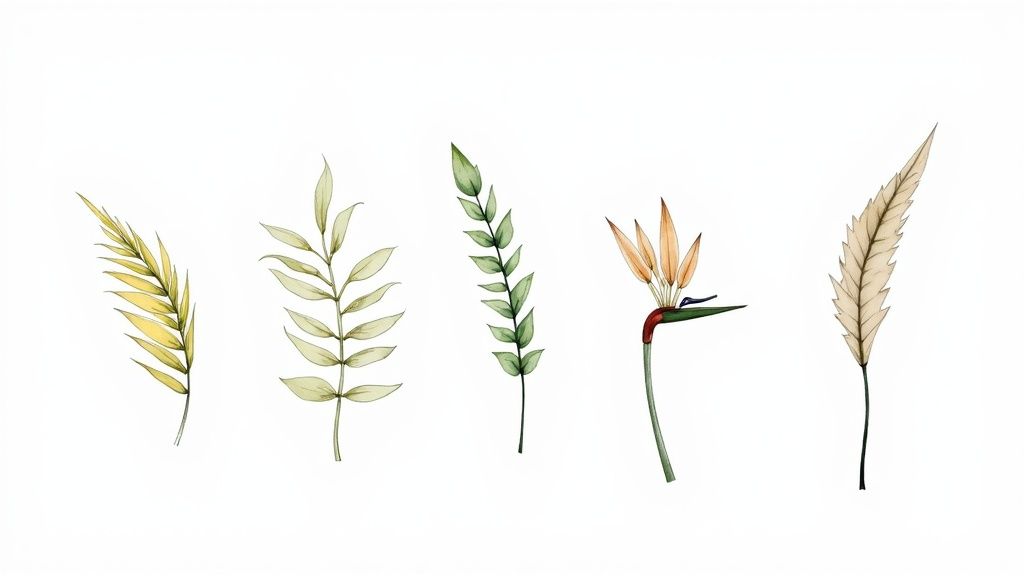
New Zealand's unique climate, particularly up north, is a fantastic playground for a huge variety of tropical plants. There's a bit of a myth that these leafy beauties are fussy and destined to fail, but that's simply not true. With the right know-how and a bit of care, you can cultivate a thriving sanctuary of your own.
Why Grow Tropical Plants in NZ?
Beyond just looking good, tropical plants forge a connection to nature that can completely transform a space. They bring a sense of calm and vitality, purifying the air and adding a living, breathing element to your home. For many of us, the process of nurturing these plants is a rewarding journey in itself.
The real joy comes from a few things:
- The Look: Their dramatic foliage, incredible colours, and unique textures make an instant statement.
- Wellbeing: Tending to plants is a mindful, stress-reducing activity that can genuinely boost your sense of wellbeing.
- A Rewarding Challenge: There's a real sense of accomplishment that comes from watching a new leaf unfurl or a stunning flower bloom.
Growing tropical plants is like curating a living art collection. Each plant has its own personality, allowing you to design a space that is uniquely yours and feels alive with energy and colour.
Finding Your Starting Point
Embarking on your tropical gardening adventure starts with one simple question: where will your jungle grow? Your environment is the single biggest factor in your success. Are you an apartment dweller with a sunny windowsill, or do you have a sheltered courtyard in subtropical Auckland?
Think about your lifestyle, too. Do you enjoy a daily watering routine, or do you need resilient plants that can forgive a bit of neglect? Answering these questions honestly will point you towards the right plants for your space and your schedule. This guide will walk you through everything you need to know—from understanding our climate to picking the perfect species—setting you up for a successful and deeply satisfying gardening experience.
Understanding Your Local NZ Climate
The real secret to a thriving tropical garden in New Zealand isn’t about fighting our weather—it’s about working with it. Our country has an incredibly diverse climate, so getting to know your specific local conditions is the first, most crucial step towards creating that lush, leafy paradise you're dreaming of. This isn't just theory; it's about learning to read the potential in your own backyard.
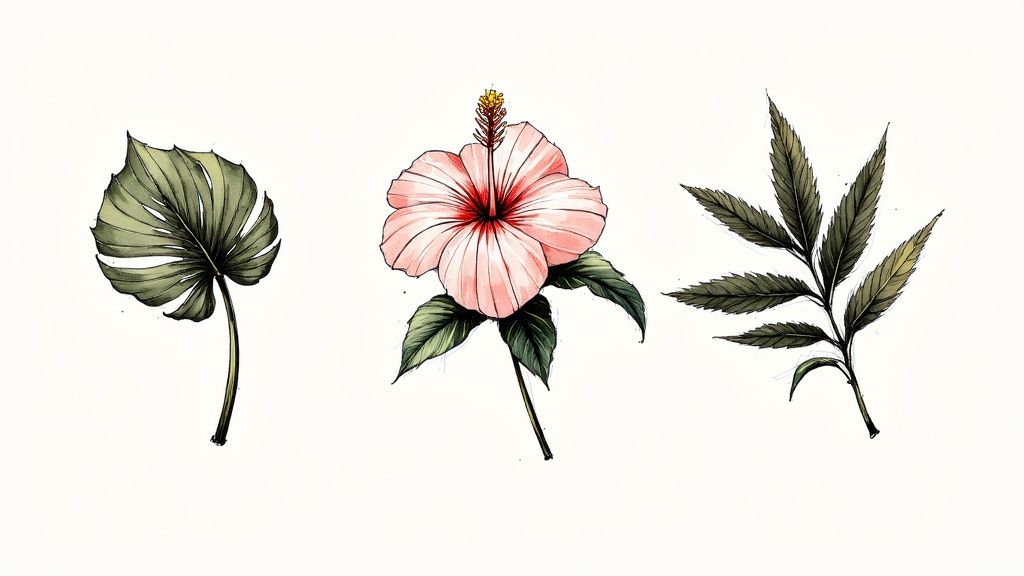
From the humid, subtropical north to the cooler, more temperate south, the old saying "right plant, right place" is gospel. A plant that flourishes outdoors in Northland might need the shelter of a glasshouse in Canterbury, and that’s totally okay. Your goal is simply to match a plant’s natural needs with the environment you can realistically provide.
The Power of Microclimates
Even within a single neighbourhood, conditions can vary dramatically. This is the magic of microclimates—small pockets where the local climate is slightly different from its surroundings. Think of a sheltered, north-facing courtyard in Auckland. It can act like a natural heat trap, allowing more delicate species to flourish where they otherwise wouldn't.
Take a look around your own property. That brick wall that soaks up the sun all day creates a pocket of warmth long after sunset. The area under a large tree canopy might offer just enough protection from a light frost that blankets the open lawn.
Learning to spot these unique spots is like finding secret gardening zones. You can use them to your advantage by:
- Planting frost-tender species against a warm, north-facing wall.
- Using overhanging eaves or trees to shield plants from the harsh midday sun or light frosts.
- Grouping plants together in a sheltered corner to naturally boost the local humidity.
Key Climate Factors for Kiwi Gardeners
To really get the hang of growing tropicals here, a few key concepts are essential. These factors will directly influence which plants you can choose and how you’ll need to care for them.
Frost Days
This is probably the biggest one for outdoor tropical gardening. A single frost can quickly damage or even kill plants that aren't built for freezing temperatures. Knowing your region's average number of frost days helps you decide whether you need to bring out the frost cloth in winter or just stick to hardier species. Lucky spots like Northland and coastal Auckland are virtually frost-free, making them perfect for a much wider range of tropicals.
Humidity Levels
Tropical plants absolutely love humidity—the amount of moisture in the air. New Zealand's coastal areas are naturally humid, which these plants adore. Inland areas, however, or homes with heat pumps running through our June-to-August winter can get incredibly dry. A little bit of misting or using an indoor humidifier can make a world of difference.
Southern Hemisphere Seasons
This is a big one. It’s so important to remember our seasons are flipped compared to the Northern Hemisphere. When you're reading care guides from Europe or North America, their "winter" (December-February) is our summer. For us, the plant's rest period is in June, July, and August. During this time, growth slows right down, and they need significantly less water and fertiliser. Adjusting your routine to our local seasons is non-negotiable for healthy plants.
"Understanding that a plant's 'winter rest' happens in the middle of the calendar year is a fundamental shift for Kiwi gardeners. It changes everything from your watering schedule to when you should expect new growth."
Our Unique Subtropical Flora
New Zealand’s climate is so favourable that we even have our own native subtropical plants. A fantastic example is the Myrtaceae family, which includes icons like Pōhutukawa and Rātā. Our native flora boasts 22 species within this family alone, forming a vital part of our indigenous vegetation, especially in the warmer coastal and lowland forests.
Their natural habitat is a massive clue for us gardeners. The same conditions that help them thrive are what many exotic tropicals are looking for. By seeing where our native subtropical species grow naturally, we get a head start on figuring out where introduced tropicals, like the stunning array of palms available in NZ, are most likely to succeed.
Top Tropical Plants That Thrive in New Zealand
Alright, let's get to the fun part: picking out your new leafy friends. If you're ready to bring a touch of the tropics to your New Zealand home or garden, this is your starting point. I've pulled together a list of some of the most rewarding and beautiful tropicals that do really well here in NZ.
Forget the dry botanical jargon. We're going to talk about what makes each of these plants special and what you can realistically expect when you bring one home.
We'll cover the classics that bring that big indoor jungle vibe, elegant palms for a bit of grace, and some absolute showstoppers for those of you lucky enough to have a frost-free garden.
Iconic Indoor Tropicals for Any Kiwi Home
These guys are popular for a good reason. They offer maximum tropical impact and are surprisingly happy to adapt to the typical Kiwi home, making them a brilliant first step for anyone new to houseplants.
Monstera Deliciosa (Swiss Cheese Plant)
This is the undisputed star of the indoor jungle. The Monstera Deliciosa is all about those huge, glossy leaves that develop iconic splits (the proper term is fenestrations) as they mature. It delivers an instant 'wild' vibe but is surprisingly chill to look after.
- Difficulty: Easy
- Light: Give it plenty of bright, indirect light. Think of a spot near a north or east-facing window, but just out of the direct sunbeams that can scorch its leaves.
- Watering: When the top few centimetres of soil feel dry, give it a good soak. Just be sure it doesn't sit in a puddle of water afterwards – they hate that.
- Best For: Anyone wanting a big statement plant. It grows pretty quickly and gives you so much reward for very little fuss. It’s perfect for a spacious corner in living rooms from Northland to Southland.
Ficus Lyrata (Fiddle Leaf Fig)
With its massive, violin-shaped leaves, the Fiddle Leaf Fig is the definition of an architectural plant. It brings a real sense of sophistication to a room, but it's earned a reputation for being a little… particular.
- Difficulty: Intermediate
- Light: It’s a light fiend. Find the brightest spot you have that doesn't get hit with harsh, direct sun. Right next to a big window is usually perfect.
- Watering: Consistency is key here. Water it when the top of the soil is dry, but try not to let it dry out completely or stay soggy.
- Best For: Patient plant parents. If you can give it a stable, bright home, you'll be rewarded. It’s a stunning feature in warm living areas from Auckland to Wellington.
Elegant Palms for a Touch of Grace
There's something wonderfully calming about a palm. They add height and a soft, airy feel to a room, instantly making you think of a quiet tropical escape. A good palm can turn any corner into your own little oasis.
Howea Forsteriana (Kentia Palm)
The Kentia Palm is pure elegance. It’s been a beloved houseplant for generations for a reason: it's not only beautiful with its arching, dark green fronds, but it's also incredibly resilient.
- Difficulty: Easy
- Light: While it prefers bright, indirect light to really put on growth, it's famous for handling lower light conditions better than most palms.
- Watering: It's much happier being a bit too dry than too wet. Let the soil dry out a bit between waterings.
- Best For: Anyone wanting a classic, refined tropical look without the high maintenance. Its tolerance for shadier spots makes it a fantastic, versatile choice for homes all over the country.
The secret to a happy palm is mimicking its natural undercover environment. They thrive on the dappled light of the forest floor, not the harsh glare of an open beach. Filtered light is their best friend.
Quick Guide to Popular Tropical Plants in NZ
Choosing the right plant can feel overwhelming, so I've put together this simple table to help you compare some of our top picks at a glance. Think about the spot you have in mind and use this as a cheat sheet to find your perfect match.
| Plant Name | Light Requirement | Watering Needs | Best NZ Region (Outdoors) | Ideal For |
|---|---|---|---|---|
| Monstera Deliciosa | Bright, Indirect | Let topsoil dry out | N/A (Indoors) | Big, leafy statement piece |
| Fiddle Leaf Fig | Very Bright, Indirect | Consistent moisture | N/A (Indoors) | Sophisticated, architectural look |
| Kentia Palm | Med-Bright Indirect | Let soil dry slightly | N/A (Indoors) | Elegant, low-light tolerant |
| Hibiscus | Full Sun | Regular, loves water | Northland, Auckland, BoP | Vibrant, show-stopping flowers |
| Canna Lily | Full Sun | Keep soil moist | Most of North Island | Bold foliage & bright colour |
Hopefully, seeing them side-by-side makes it easier to picture which of these beauties will thrive in your care and your corner of New Zealand.
Outdoor Tropical Stars for Warmer Climates
For those lucky Kiwis living in our warmer, frost-free regions, the garden can become a genuine slice of paradise. These plants are the key to creating that lush, resort-style vibe right outside your back door.
Hibiscus Rosa-Sinensis (Tropical Hibiscus)
Could any flower scream "tropics" louder than a Hibiscus? I don't think so. Their magnificent, flamboyant blooms come in an incredible range of colours, from fiery reds to sunset oranges and sunny yellows. They are an absolute showstopper.
- Difficulty: Easy (in the right climate)
- Light: Give them full sun. This is non-negotiable if you want a plant covered in flowers.
- Watering: They need regular water, especially through our hot summers. Good drainage is a must, though.
- Best NZ Region (Outdoors): They absolutely thrive in the frost-free north—think Northland, Auckland, and the coastal Bay of Plenty. In cooler spots, you can still enjoy them by growing them in a pot that can be moved to a sheltered spot for winter.
Canna Indica (Canna Lily)
Canna Lilies bring the drama. With their huge, paddle-like leaves and intensely vibrant flowers, they add an explosion of colour and structure to a garden bed. The foliage alone is stunning, ranging from deep green to rich bronze, providing interest long before the flowers even think about showing up.
- Difficulty: Easy
- Light: They love a sunny position. More sun equals more of those glorious blooms.
- Watering: These are thirsty plants. They appreciate consistently moist soil during their growing season from spring through autumn.
- Best NZ Region (Outdoors): You can grow these across most of the North Island and in the warmer parts of the South. In places that get a solid frost, you can just lift the rhizomes (the bulb-like root) and store them somewhere dry over winter. For a deep dive, you can explore our guide to growing Canna Lily in NZ.
Essential Care for Your Indoor Jungle
Bringing the lush, wild energy of tropical plants into your New Zealand home is a fantastic experience, but it does mean you have to become a bit of an environmental architect. You're basically recreating a tiny slice of the tropics right there in your living room. Getting it right really comes down to four things: light, water, humidity, and food. Get a handle on these, and you’ll have a thriving indoor jungle in no time.
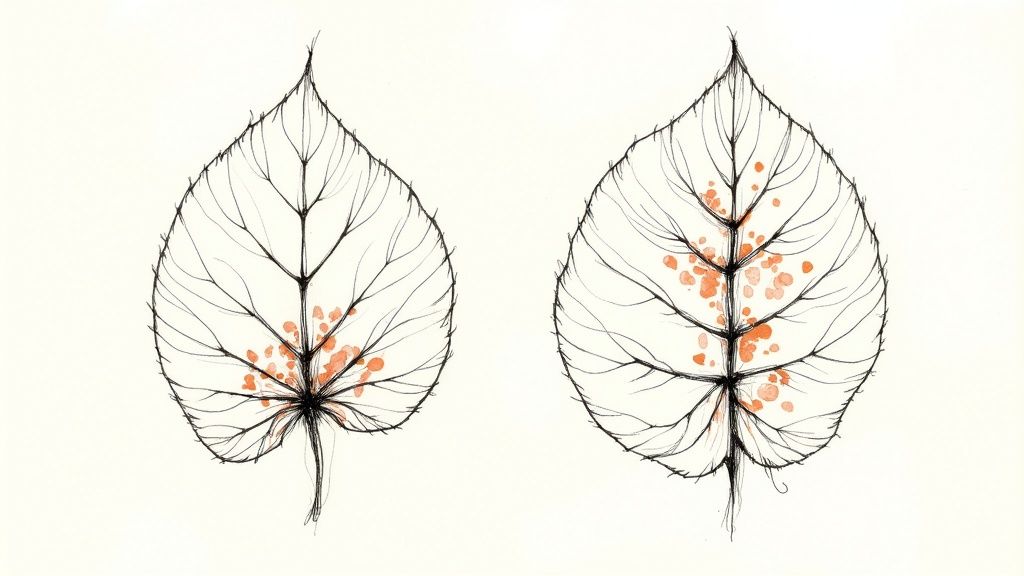
Just think of your plant as a visitor from a warm, humid climate. Your job is to make it feel welcome and comfortable, even when it’s grey and chilly outside. This means tuning into its specific needs and tweaking your care routine as our Southern Hemisphere seasons shift.
Mastering the Art of Light
Light is literally food for your plants, so getting this part right is your first big win. Here in New Zealand, the sunniest spot in your house will be north-facing. A position near a north-facing window provides that lovely bright, indirect light most tropicals absolutely adore, much like the dappled sunlight they’d find under a jungle canopy.
An east-facing window is a brilliant second choice, offering gentle morning sun that won't scorch delicate leaves. You do need to be a bit careful with west-facing windows, though. The afternoon sun can be surprisingly harsh, especially during summer.
- Bright, Indirect Light: This is the gold standard for most tropicals. Your plant should be able to "see" the sky but not have direct sunbeams hitting its leaves for hours on end.
- Low Light: Some plants, like the Zanzibar Gem or Kentia Palm, are much more forgiving of shadier spots. They’re perfect for those corners a bit further from a window.
- Direct Sun: Very few indoor tropicals actually want direct, unfiltered sun. If you see brown, crispy patches appearing on the leaves, that’s a classic sign of sunburn.
The Watering Wisdom
If there's one mistake we see all the time, it's overwatering. It’s easily the number one killer of indoor plants. It helps to think of watering as quenching your plant's thirst, not flooding its pot. Tropicals like their soil to be consistently moist but never soggy, which can quickly lead to dreaded root rot.
The old-school finger test is still the best. Just stick your finger about two to three centimetres into the soil. If it feels dry, it's time for a drink. If it’s still damp, hold off for a few more days. And don’t forget, plants need much less water during their winter dormant period from June to August.
The goal is to let the soil dry out partially between waterings. This allows oxygen to get to the roots, which is just as important as water for the plant's overall health and vitality.
Boosting Humidity Kiwi Style
Tropical plants come from steamy, humid places. Our homes, on the other hand—especially in winter with the heat pump blasting—can be incredibly dry. Low humidity is a frequent culprit behind crispy brown leaf tips and even pest problems.
Luckily, it’s easy to raise the humidity around your plants:
- Grouping: Cluster your plants together. As they release moisture through their leaves (a process called transpiration), they create their own humid little microclimate.
- Misting: A light spritz with a spray bottle every few days provides a temporary humidity hit. It's best to do this in the morning so the leaves can dry out.
- Pebble Trays: Pop your pot on a tray filled with pebbles and a little water. As the water evaporates, it will increase the humidity right around the plant.
Feeding Your Leafy Friends
Just like us, plants need a good feed to grow strong and healthy. During their active growing season (that’s spring and summer for us in New Zealand), they’ll thank you for a regular feeding schedule. A balanced liquid fertiliser is a great choice for most indoor tropical plants.
It’s really important not to overdo it, though. Always follow the directions on the package; as a general rule, it's safer to under-feed than over-feed. Cut back or stop feeding altogether during the winter months when your plant's growth naturally slows right down. For a detailed breakdown, our guide on choosing the right https://junglestory.co.nz/blogs/plant-blogs/indoor-plant-fertilizer can help you pick the perfect one. While you're thinking about your plant's health, it's also fascinating to explore the role of indoor plants in air purification and see how they contribute to your home's ecosystem.
Designing Your Outdoor Tropical Oasis
For Kiwi gardeners lucky enough to live in our warmer regions, creating a tropical paradise in your own backyard isn't just a dream—it's completely achievable. It’s one thing to have a few tropicals in pots, but taking them out into the garden proper is where you can build a truly lush, immersive escape. Think of this as your blueprint for turning that patch of lawn into your own slice of the tropics.

The whole journey starts from the ground up. Real success comes down to getting your soil right, layering your plants for that authentic jungle feel, and having a solid plan to protect them from the elements—especially that dreaded Kiwi frost.
Preparing The Perfect Foundation
Most tropical plants are happiest in rich, free-draining soil that holds a bit of moisture without ever getting waterlogged. That can be a tall order here in New Zealand, where heavy clay soils are pretty common. But don't let that put you off; sorting your soil is easier than you think.
It’s a bit like baking a cake—you just need the right ingredients in the right amounts. The goal is to improve both the soil's structure and its fertility.
- Incorporate Organic Matter: Be generous with it. Mix in plenty of compost, well-rotted manure, or peat moss. This is hands-down the best way to break up dense clay, improve drainage, and load the soil with essential nutrients.
- Ensure Good Drainage: If you're in an area that gets a bit boggy after rain, think about building raised garden beds. This literally lifts your plant's roots above the soggy ground, which is the best defence against root rot.
- Mulch Generously: A thick blanket of bark, wood chips, or pea straw around your plants works wonders. Mulch is fantastic for keeping moisture in the soil, stopping weeds in their tracks, and it slowly breaks down to feed the soil over time.
Layering For a Lush Jungle Effect
The secret to an authentic tropical look? It's all in the layering. In a real jungle, plants are constantly jostling for light, creating distinct vertical layers from the forest floor right up to the canopy. You can copy this in your own garden to create a real sense of drama, texture, and depth.
Always start with your tallest plants to establish the "canopy" and the overall structure. Then, you can fill in the gaps underneath.
- Canopy Layer: Use tall, elegant palms like the Kentia Palm or striking tree ferns. These give you height and a beautiful dappled light for the plants growing below.
- Mid-Layer: This is where you bring in the bulk and colour. Fill this space with big-leafed shrubs and plants like Hibiscus, Canna Lilies, or Philodendrons.
- Ground Cover: Finally, use lower-growing ferns, bromeliads, and clumping plants to cover the bare soil. This fills in all the gaps and gives you that lush, floor-to-ceiling green look.
To really elevate the space, you can bring in some hard landscaping. You could explore some innovative decking designs for gardens to create a functional platform or walkway that enhances that resort-like feel.
Protecting Your Plants From Frost
In many parts of New Zealand, frost is the number one enemy of an outdoor tropical garden. A single light frost can be enough to damage tender foliage overnight. It’s absolutely essential to have a protection plan ready before winter (June-August) sets in.
A simple frost cloth, draped over your plants on a cold, clear night, can be the difference between a thriving plant and a dead one. It works by trapping warmth radiating from the ground and stops ice crystals from forming right on the leaves.
If your plants are in containers, it's even easier. Just shift them into a sheltered spot, like under the eaves of the house or onto a covered deck, for the coldest months.
Gardening With Responsibility
As we get busy creating our gorgeous tropical gardens, it's vital we do it responsibly. Some exotic plants can become invasive, escaping our gardens and causing real harm to our precious native ecosystems.
Here in New Zealand, about 19% of all naturalised plant species are now classified as environmental weeds, and a huge number of them started out in someone's garden. Research shows areas like Waikato and Auckland have a particularly high number of these weed species, which can easily outcompete our native flora. Always choose non-invasive species for your garden and be sure to dispose of your garden waste properly.
Got Questions About Tropicals? We've Got Answers
Stepping into the world of tropical plants is exciting, but it's natural to have a few questions, especially when trying to make them thrive in New Zealand's unique climate. Let's tackle some of the most common queries we hear from fellow Kiwi plant lovers to get you growing with confidence.
What Are The Easiest Tropical Plants For A Beginner In New Zealand?
If you’re just starting out and want something almost foolproof, you can't go wrong with the classic Zanzibar Gem (ZZ Plant) or a Snake Plant. Both are incredibly forgiving if you forget to water them and they aren't fussy about light, which makes them perfect for learning the ropes.
For that lush, leafy jungle vibe, the Parlour Palm is another brilliant pick. It’s a champ at adapting to the average indoor conditions you’d find in any home, whether you're in a Wellington flat or a house in Hamilton.
How Do I Increase Humidity For My Indoor Plants During A Dry Kiwi Winter?
Our homes can get seriously dry in winter, especially with heat pumps blasting. To give your tropicals the moisture they crave, you can try a few simple tricks:
- Group your plants together. This creates a little humid microclimate as they all release moisture into the air.
- Give them a light mist. A quick spritz on the leaves in the morning can provide a welcome, temporary lift.
- Try a pebble tray. Just place your pot on a tray filled with pebbles and a bit of water. As the water evaporates, it raises the humidity right around your plant.
For the true humidity-fiends like Calatheas, popping them in a bathroom with some natural light or using a small humidifier can be a game-changer for their health.
Think of it as creating a tiny pocket of the tropics right in your living room. A little extra ambient moisture can be the secret to preventing those dreaded crispy brown leaf tips during our colder, drier months.
Can I Grow Tropical Fruit Like Bananas In NZ?
Absolutely, but your success really comes down to location. You can grow dwarf banana varieties like the ‘Lady Finger’ outdoors, but only in the warmest, most frost-free corners of the country – think Northland and very sheltered spots around Auckland.
For pretty much anywhere else, you'll need the protection of a greenhouse. The key is giving them enough warmth and a long, frost-free growing season to let the fruit actually mature.
Ready to start your own indoor or outdoor jungle? Jungle Story is your one-stop shop for the best selection of tropical plants NZ has to offer, connecting you with trusted local growers for fast, nationwide delivery.
Start Exploring Our Tropical Collection at junglestory.co.nz