
Step into the fragrant world of Pandanus amaryllifolius, a tropical wonder most of us know simply as pandan. It’s often called the 'vanilla of the East', and for good reason—it’s a cornerstone of Southeast Asian cuisine, loved for its unique aroma and vibrant green colour.
The Allure of Pandan: The Vanilla of the East

Imagine a flavour that’s nutty, grassy, and floral all at once, with soft hints of vanilla and coconut. That’s the magic of pandan. It’s a complex profile that’s hard to pin down, yet it has an inviting familiarity that has captivated chefs and home cooks all over the world.
In its native Southeast Asia, pandan isn’t just an ingredient; it’s woven into the fabric of daily life. The long, slender leaves are incredibly versatile, lending their signature character to a huge range of dishes. Whether it’s a sweet treat or a savoury meal, the presence of pandan signals something special.
A Culinary and Cultural Cornerstone
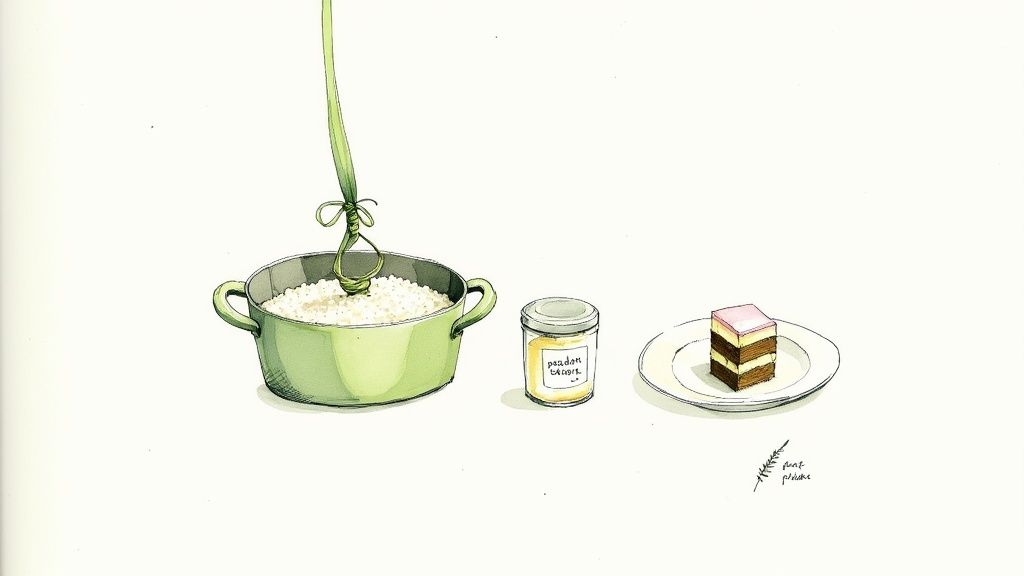
For generations, pandan leaves have been used in countless ways. In many kitchens, a knotted leaf gets tossed into a pot of simmering rice, infusing the grains with a delicate, appetising fragrance. It’s also the star ingredient in desserts that are as beautiful as they are delicious.
A few classic uses include:
- Flavouring Rice and Grains: A simple knot of pandan added to the pot elevates everyday rice into a fragrant side dish.
- Colouring Desserts: The leaves are blended with water to create a natural, intensely green extract used in cakes, jellies, and puddings.
- Wrapping Foods: Larger leaves are sometimes used to wrap chicken or sticky rice before grilling or steaming, imparting both moisture and a subtle aroma.
One of the most famous creations is the pandan chiffon cake—a light, airy sponge with a striking green colour and an unmistakable taste. Another beloved classic is kaya, a sweet coconut and egg jam flavoured with pandan, often spread on toast for a traditional breakfast.
Pandan acts as a bridge between sweet and savoury, providing a foundational aroma that complements everything from coconut milk-based curries to intricate steamed cakes. Its role in the kitchen is as essential as vanilla is in Western baking.
Growing Pandan in New Zealand
While pandan is a tropical plant, its popularity has inspired many Kiwi gardeners to give it a go at home. Growing it successfully in New Zealand’s temperate climate does require a bit of care, but the reward of harvesting your own fresh leaves is well worth the effort.
It thrives in pots, making it a perfect candidate for a sunny spot indoors or on a sheltered patio. If you're keen to expand your collection, learning more about growing tropical plants in NZ can give you some valuable insights. This guide will set the stage, inspiring both curious foodies and seasoned gardeners to embrace this extraordinary plant.
Bringing Pandan into Your Kitchen
With its incredible fragrance and beautiful colour, pandan just begs you to get creative. And bringing this Southeast Asian gem into your New Zealand kitchen is much easier than you’d think. Whether you've got fresh leaves from your garden or you've picked some up at a local market, a whole world of flavour is waiting for you.
The magic of pandan is its sheer versatility. It moves easily between sweet and savoury dishes, adding a unique character that feels both exotic and strangely comforting. All it takes to get started is learning a few simple ways to unlock its flavour.
Simple Infusions: The Easiest Way to Use Pandan
The most traditional and direct way to use pandan is to simply infuse it into whatever you’re cooking. Think of it like using a bay leaf in a stew or a vanilla pod in a custard—it’s all about imparting that subtle, fragrant essence into liquids and grains.
Just take one or two long leaves, tie them in a knot to bruise them a little and release their aromatic oils, and toss them into the pot. This is the secret behind amazing coconut rice, a staple in many Asian cuisines. As the rice and coconut milk simmer, the knotted leaf steeps every single grain with that unmistakable scent. It works just as well in soups, stews, and even for poaching chicken.
Creating Homemade Pandan Extract and Paste
For a much bigger punch of flavour and that signature vibrant green colour, you’ll want to make your own pandan extract. This liquid gold is the key to countless desserts, from airy chiffon cakes to wobbly, creamy jellies. Best of all, it's incredibly simple to do.
Here’s a quick guide to making fresh pandan extract:
- Prep the Leaves: Grab a decent bunch of fresh pandan leaves (about 10-12), give them a good wash, and chop off the tough, pale ends.
- Chop Finely: Slice the leaves into small, 1-2 cm pieces. The smaller the pieces, the more surface area you expose, which means a stronger extract.
- Blend with Water: Pop the chopped leaves into a blender with around 120ml (½ cup) of water. Blitz it on high until you have a smooth, bright green pulp.
- Strain the Pulp: Pour the mixture through a fine-mesh sieve or a piece of muslin cloth into a clean bowl. Give the pulp a good squeeze to get every last drop of that precious green liquid out.
What you have now is a fresh pandan extract. If you want a thicker pandan paste, just let the extract sit in the fridge for 24 hours. The dark green chlorophyll will sink to the bottom. Gently pour off the watery layer on top, and you're left with a concentrated paste that's perfect for baking.
Think of pandan extract as a natural food colouring and flavouring all in one. A little bit can turn a simple batter into something truly special, giving it a depth that artificial flavourings just can't touch.
Iconic Pandan Recipes to Try at Home
Once you have these basics down, you can start exploring some of the most loved dishes that put pandan front and centre. These aren't just recipes; they're cultural icons.
- Pandan Chiffon Cake: This famously fluffy, green-tinted cake is a total showstopper. Its delicate texture and aromatic flavour make for an unforgettable dessert.
- Kaya Jam: A rich, sweet coconut and egg jam flavoured with pandan. It's a breakfast staple in Singapore and Malaysia, and it's absolutely perfect on toast with a thick slice of butter.
- Pandan Chicken (Gai Hor Bai Toey): A savoury Thai classic where marinated chicken pieces are wrapped in pandan leaves and then deep-fried or grilled. The leaves keep the chicken incredibly moist while infusing it with their wonderful aroma.
Pairing Pandan with New Zealand Ingredients
Pandan’s unique flavour plays surprisingly well with many ingredients we have right here in New Zealand. Its nutty, grassy notes are a fantastic match for our rich, creamy dairy and sweet local fruits.
Why not try experimenting with a few local pairings?
- Coconut and Dairy: Pandan and coconut are a classic combo. Try making a pandan-infused panna cotta with quality New Zealand cream, or a creamy rice pudding.
- Citrus Fruits: The sharp acidity of limes or lemons cuts beautifully through the richness of pandan desserts, creating a really balanced, refreshing taste. A pandan and lime cheesecake is a perfect example.
- Stone Fruits: In the summer months, from December to February, try pairing a pandan-flavoured custard or cream with fresh Central Otago peaches or nectarines for a delicious fusion dessert.
How to Grow Pandan in New Zealand's Climate
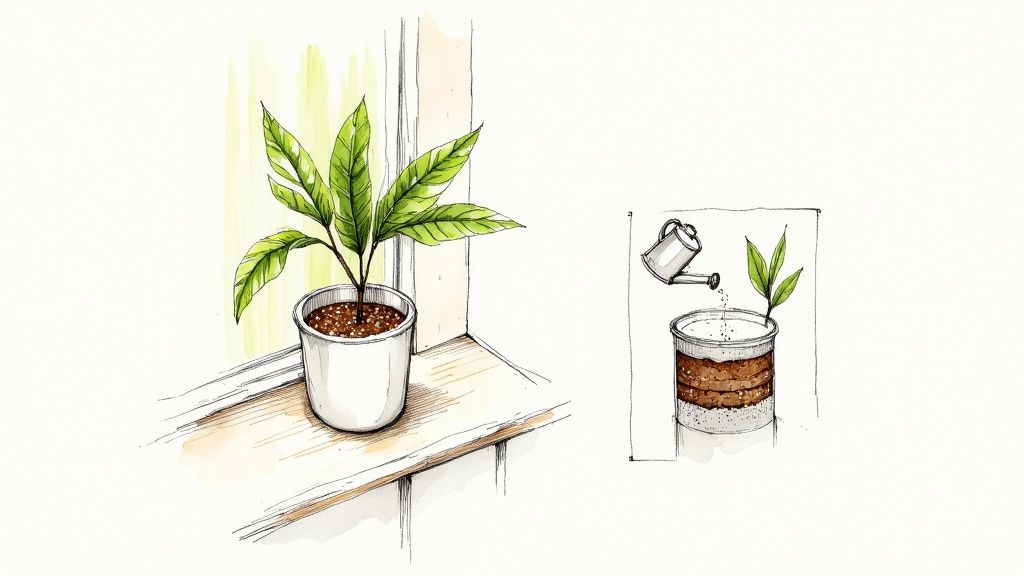
Bringing a taste of the tropics to your home by growing pandan in New Zealand is a truly rewarding challenge. While Pandanus amaryllifolius naturally thrives in the warm, humid weather of Southeast Asia, Kiwi gardeners can absolutely succeed with this fragrant plant—it just takes a bit of thoughtful care.
The secret is to mimic its native environment as closely as possible. Since it's not a local, pandan cultivation here is mostly small-scale, with growers using greenhouses and sunny indoor spots to provide the warmth and humidity it craves.
Your journey starts with choosing a healthy plant. Look for one with vibrant, deep green leaves, free from any yellowing or brown tips. A strong, upright plant is usually a good sign of a healthy root system, which gives you the best head start.
Creating the Perfect Home for Your Pandan
The single most important factor for a happy pandan is its environment. It simply won't survive our cooler outdoor winters, so growing it in a container is almost always the best approach. This gives you the flexibility to move it to a warmer, more sheltered spot when the temperatures drop.
Consider these ideal locations:
- A Bright Indoor Spot: A north-facing window that gets plenty of bright, indirect sunlight is perfect. Direct sun can easily scorch its leaves, so filtering the light with a sheer curtain is a great idea.
- A Sheltered Patio or Deck: During the warmer months, a protected spot outdoors can be fantastic. Just make sure it’s shielded from harsh winds and the intense afternoon sun.
- A Greenhouse or Sunroom: If you have one, this is a pandan paradise. The consistent warmth and high humidity are a perfect match for its natural habitat.
No matter where you place it, the right soil mix is non-negotiable. Pandan needs a medium that holds a bit of moisture but also drains freely. If its roots sit in water, they'll rot. A quality aroid or tropical mix works wonders, or you can create your own by adding orchid bark and perlite to a standard potting mix for better aeration. For more detailed advice, check out our guide on choosing the right indoor potting mix.
Mastering Pandan Care Essentials
Once your pandan is settled, a consistent routine will help it thrive. It’s all about finding that sweet spot—providing enough light, water, and food without going overboard.
Watering Your Plant
Pandan loves consistently moist soil, but it really dislikes being waterlogged. A good rule of thumb is to water it thoroughly once the top 2-3 cm of soil feels dry. Let any excess water drain completely out the bottom of the pot. During its active growing season in spring and summer, this might mean watering once or twice a week.
Light and Humidity Needs
Try to give it at least 6-8 hours of bright, indirect light each day. If you notice the leaves looking pale or yellowish, it might be getting too much direct sun. On the other hand, slow, leggy growth can be a sign it’s not getting enough light.
To boost humidity, you can sit the pot on a pebble tray filled with water, group it with other tropical plants, or run a small humidifier nearby. A light misting a few times a week also helps replicate the humid conditions it loves.
Navigating New Zealand's Seasons
To keep your pandan happy year-round, it helps to adjust your care routine with the changing seasons. Here's a simple guide tailored for our Southern Hemisphere climate.
| Pandan Care Guide for New Zealand Seasons |
| :--- | :--- | :--- |
| Season (NZ) | Key Care Tasks | Important Considerations |
| Spring (Sept-Nov) | Increase watering as growth resumes. Start light fertilising. Repot if needed. | This is the best time to propagate offshoots. Watch for new, vibrant green leaves. |
| Summer (Dec-Feb) | Water regularly, keeping soil consistently moist. Protect from harsh afternoon sun. | Check soil moisture more frequently on hot days. High humidity is key. |
| Autumn (Mar-May) | Gradually reduce watering. Stop fertilising by late autumn. Prepare to move indoors. | Bring the plant inside well before the first frost is forecasted. |
| Winter (June-Aug) | Water sparingly, letting soil dry out more. Provide maximum indoor light. Keep away from draughts. | The plant is dormant, so overwatering is a major risk. Do not fertilise. |
Remember, the biggest hurdle for growing pandan in New Zealand is our winter, which runs from June to August. As a tropical plant, it has zero tolerance for frost and will struggle once temperatures consistently dip below 15°C. Your main job in winter is simply to protect it.
Propagating Pandan from Offshoots
One of the great joys of growing pandan is how easily you can multiply your collection. A healthy, mature plant will produce little "pups" or offshoots around its base. Propagating these is a fantastic way to get new plants for yourself or to share.
Here’s how to do it:
- Wait for the Right Size: Let an offshoot grow until it has a few of its own leaves and is at least 10-15 cm tall. The more established it is, the better its chance of survival.
- Separate Carefully: Gently take the parent plant out of its pot to get a clear view. Using a clean, sharp knife or secateurs, carefully cut the offshoot away from the main plant, making sure to include some of its roots.
- Pot Up the Pup: Plant the new offshoot in a small pot with the same well-draining mix you use for the parent.
- Provide Aftercare: Give the new plant a good watering and place it in a warm, humid spot with indirect light. It might take a few weeks to get established, but soon enough you'll see fresh growth.
Solving Common Pandan Plant Problems

Even with the best of intentions, every plant parent runs into a few hurdles. It can be a bit disheartening to see your pandan looking under the weather, but don't stress—most common issues are surprisingly easy to sort out once you know what to look for.
Think of this as your troubleshooting guide. We'll help you spot the symptoms, get to the root cause, and nurse your plant back to its vibrant, fragrant self. A few small tweaks are usually all it takes.
What to Do About Yellowing Leaves
Yellowing leaves are probably the most common sight that causes a bit of panic. But really, it’s just your pandan’s way of telling you something in its environment is slightly off. The culprit is almost always water or food.
Overwatering is the number one cause. Pandan loves consistently moist soil, but it absolutely hates having "wet feet." If its roots sit in water, they can start to rot, which stops the plant from taking up nutrients properly.
On the flip side, if the yellow leaves are also dry and crispy, you might be underwatering, especially during our warmer months from December to February.
A lack of nutrients can also be the issue. If you notice the older, lower leaves turning yellow first, it might be a cry for food—specifically nitrogen. This is pretty common if the plant has been in the same potting mix for a while without a feed.
Tackling Brown and Crispy Leaf Tips
Seeing brown, brittle tips on those beautiful long leaves? This is a classic sign of low humidity. Pandan is a tropical native, so it craves a muggy atmosphere that our homes—especially with heaters running in winter—just don't provide.
Luckily, boosting the moisture in the air is easy. Here are a few simple tricks:
- Misting: A light spritz of water over the leaves a few times a week works wonders.
- Pebble Tray: Pop the pot on a tray filled with pebbles and a bit of water. As it evaporates, it creates a nice little humid microclimate.
- Group Your Plants: Cluster your pandan with other tropicals. They'll all help raise the humidity for each other.
It's also worth noting that minerals in our tap water can sometimes cause brown tips. If you've tried everything else, switch to watering with filtered or rainwater and see if that helps.
Getting Rid of Common Indoor Pests
Unfortunately, our indoor gardens can sometimes attract unwanted guests. While pandan is pretty tough, it can occasionally host pests like spider mites and mealybugs, particularly if it's already feeling a bit stressed.
Spider mites are tiny and tough to spot, but you might notice fine, silky webs on the undersides of the leaves. Mealybugs are easier to see; they look like little white, fluffy spots, usually tucked into the joints of the leaves. If you're dealing with pests, looking into effective natural pest control methods can save your plant without resorting to harsh chemicals.
For both of these pests, a good first step is to gently wipe the leaves with a soft cloth dipped in water with a few drops of dish soap. If they're a bit more stubborn, neem oil is a fantastic organic option. It messes with their life cycle without harming your plant. A quick check of your plant every week or so will help you catch any problems before they get out of hand.
Discovering Pandan’s Health Benefits and Uses
Pandan is so much more than just a culinary ingredient. Beyond its incredible flavour and aroma in the kitchen, it holds a special place in traditional wellness practices. For generations, it’s been valued not just for taste, but for what it can do for our well-being.
This holistic view of pandan fits right in with today's growing interest in natural, plant-based remedies. Many of its traditional uses are now being looked at through a modern lens, showing its potential in a health-conscious lifestyle.
A Tradition of Natural Wellness
In traditional Southeast Asian medicine, pandan leaves were a go-to for creating soothing preparations. The leaves are packed with compounds like flavonoids and alkaloids, which are known for their antioxidant properties. These nifty compounds help our bodies fight off oxidative stress, which is often linked to various long-term health issues.
Traditionally, pandan has been used in a few key ways to support well-being:
- As a Calming Brew: A simple tea made by boiling pandan leaves was often sipped on to help unwind and promote relaxation.
- For Skin Health: Poultices made from crushed leaves were sometimes applied directly to the skin to soothe minor irritations.
- To Freshen the Air: Its strong, lovely scent made it a natural choice for deodorising homes and other enclosed spaces.
The use of pandan in wellness is a perfect example of how traditional knowledge sees plants for everything they offer—from flavour and fragrance to functional benefits. It’s a holistic approach where food and medicine often go hand in hand.
The Rise of Pandan Tea
One of the most popular ways to enjoy pandan's wellness benefits today is by brewing it into a tea. This simple, fragrant drink is popping up in New Zealand's specialty cafes and health food stores, riding the global wave of functional beverages.
Pandan tea is loved for its gentle, calming properties. It’s also naturally caffeine-free, making it an ideal drink for the evening. This humble brew is gaining fans worldwide, with the global pandan tea market valued at a whopping USD 300.5 million in 2023. While New Zealand is a smaller part of that market, the trend is definitely catching on, especially within local diaspora communities and specialty tea shops.
More Than Just a Tea
Pandan’s versatility doesn’t stop at infusions and remedies. Its powerful fragrance makes it a fantastic natural alternative to synthetic products around the home. Just a few fresh leaves placed in a car, wardrobe, or bathroom can act as a natural, long-lasting air freshener, releasing their sweet scent for days.
Some traditional practices even suggest its strong aroma can help repel insects, particularly cockroaches. While it's no substitute for proper pest control, tucking bundles of leaves into kitchen cupboards is a common household trick in many parts of Asia. To see how other plants contribute to well-being, you might also be interested in the health benefits of aromatic herbs like Lemon Verbena.
Where to Find Pandan Plants and Products in NZ
Getting your hands on pandan in New Zealand is easier than you might think, whether you’re looking to grow a plant yourself or just grab some leaves for the kitchen. The trick is simply knowing where to look.
For all the green thumbs out there, a growing number of specialty nurseries and online stores now stock healthy pandan plants. These suppliers often ship right across the country, making it simple to get this tropical gem delivered to your doorstep. You can even start your journey with our very own Pandan Plant (Pandanus amaryllifolius). It's also worth checking larger garden centres, especially in cities with vibrant international communities, as they sometimes have them in stock.
Sourcing Culinary Pandan
If you're eager to start cooking, your best bet is to head to an Asian supermarket or specialty grocer. These places are absolute treasure troves for pandan products and will have everything you need to start experimenting with its unique flavour.
- Fresh and Frozen Leaves: You’ll usually find these in the fresh produce section or the freezers. When picking fresh leaves, look for a deep, vibrant green colour and a strong, fragrant smell. Frozen leaves are a fantastic backup and keep beautifully for months.
- Extracts and Pastes: Check the baking or flavouring aisles for these. They’re a super convenient way to get that intense pandan flavour and distinctive green colour into cakes, jellies, and other desserts.
While pandan is a culinary superstar around the world, it's not really farmed commercially here in New Zealand. Our climate means tropical plants like this are mostly grown by passionate home gardeners or sold in niche markets. If you’re curious about our local horticulture scene, HortNZ has some great insights.
Pro Tip: When you bring home fresh pandan leaves, give them a quick wipe, wrap them in a damp paper towel, and pop them in a sealed bag in the fridge. This simple trick will keep them fresh and fragrant for up to two weeks.
Your Pandan Questions Answered
Even after diving into the world of pandan, you might still have a few things you’re wondering about. Not to worry. To help you on your growing and cooking journey, we've gathered some of the most common queries from fellow pandan lovers across New Zealand.
Here are some quick, clear answers to get you sorted.
Can I Grow Pandan Outdoors in New Zealand?
This is a question we get all the time, and the short answer is: it really depends on where you live. Pandan is a true tropical plant at heart and has zero tolerance for frost.
If you're in the warmer, more subtropical parts of the North Island, you might get away with growing it outdoors in a very sheltered, warm spot. For most of New Zealand, though, it's a much safer bet to grow your pandan in a pot. That way, you can easily bring it inside during our cooler autumn and winter months (from March through to August) to keep it happy and protected from the cold.
What’s the Difference Between Pandan Extract and Flavouring?
Getting this right is the key to achieving that authentic taste you're after. They are definitely not the same thing and will give your cooking completely different results.
- Pandan Extract: This is the real deal. It’s made by blending fresh pandan leaves with a little water, then straining the pulp. It gives you a natural, complex flavour and that beautiful, vibrant green colour.
- Pandan Flavouring: This is usually an artificial product. It often contains synthetic compounds and artificial green colouring to mimic the real thing. While it's convenient, it can sometimes leave a chemical-like aftertaste and just doesn't have the nuanced aroma of true pandan.
For the best results in the kitchen, always go for homemade or a good quality store-bought natural extract. The difference in flavour is huge and well worth the tiny bit of extra effort.
How Should I Store Fresh Pandan Leaves?
Proper storage is crucial for keeping your pandan leaves fragrant and fresh for as long as possible. If you’ve just picked a bunch from your plant or bought some from a market, you have two great options.
For short-term storage, wrap the leaves in a damp paper towel, pop them in a sealed plastic bag, and place them in your fridge’s crisper drawer. This will keep them fresh and aromatic for up to two weeks.
For a longer-term solution, freezing is perfect. Just wash and dry the leaves thoroughly, then place them in a zip-lock freezer bag. They can be stored in the freezer for several months and are ready to be used straight from frozen in your cooking.
Ready to start your own pandan journey? Find healthy, thriving pandan plants and all the supplies you need right here at Jungle Story. Explore our collection and bring the vanilla of the East into your home and garden today! Find your perfect plant at https://junglestory.co.nz.