
Garden design and landscaping is all about turning an outdoor space into somewhere you actually want to be—a place that’s both beautiful and works for your life. It’s the whole journey, from sussing out your section and sketching ideas to picking the perfect plants and building things like patios or garden paths. When done right, it transforms a patch of lawn into your own private retreat.
Your Guide to Designing a Kiwi Garden
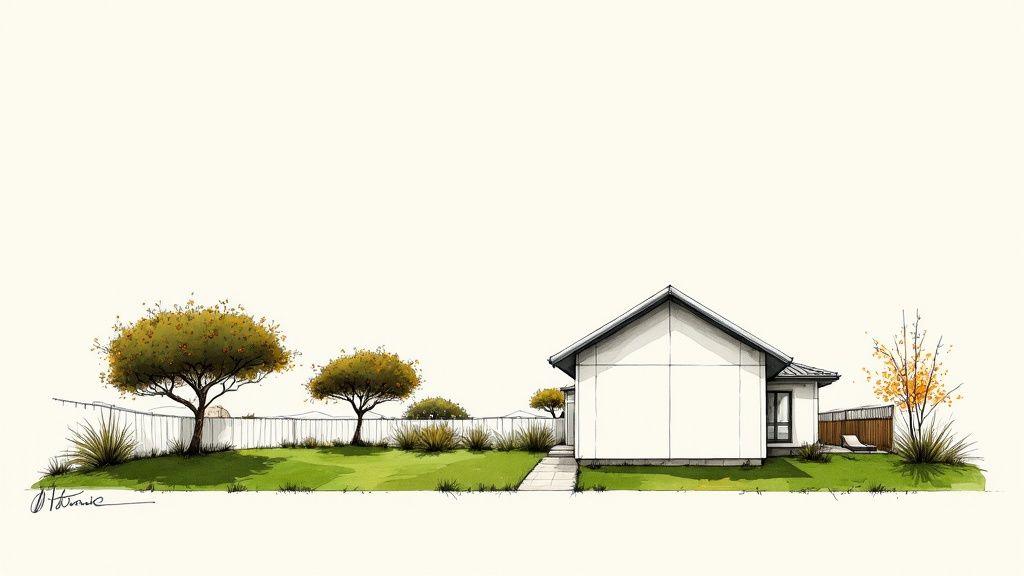
Starting a garden project is one of the most satisfying things you can do for your home. It's a chance to push your living area beyond the four walls of your house. You get to create a spot that truly fits your lifestyle, whether you’re after a quiet corner to read a book, a great space for summer barbies, or a thriving veggie patch.
This guide isn't about generic tips you could find anywhere. It's focused squarely on garden design and landscaping for our unique New Zealand conditions. We’ll get into the same principles the pros use to create gardens that not only look fantastic but are also practical and sustainable in our ever-changing climate.
The Kiwi Garden: A National Pastime
Here in New Zealand, gardening is practically in our DNA. It all started with Māori cultivating kūmara and other precious Polynesian plants. When European settlers arrived, they brought a huge variety of new species, and for a long time, the garden was a critical food source, right up until after the Second World War. Once commercially grown food became easier to get, ornamental gardening really took off.
That passion is still going strong. A 2007/2008 survey found that 43% of New Zealanders had been out in the garden in the past year, making it the second-most popular pastime in the country, just behind walking.
A great garden design isn't just about choosing beautiful plants; it's about creating a cohesive and intentional space that feels good to be in and connects seamlessly with your home and local environment.
What This Guide Will Cover
We’ve set this guide up to take you through the entire process, from that first lightbulb moment right through to getting your hands dirty and putting the final plants in the ground. The aim is to give you the confidence and the know-how to bring your own garden vision to life.
Here’s a sneak peek at what you'll learn:
- Site Analysis: We'll show you how to 'read' your property's unique character. This means understanding sun exposure, pesky wind tunnels, and what your soil is like – all absolutely essential for success in NZ’s variable climate.
- Layout and Structure: You'll learn the techniques for creating the 'bones' of your garden. This is about defining different outdoor 'rooms' and making sure everything flows naturally with well-placed paths and patios. For a bit of inspiration, check out these garden ideas for NZ settings.
- Plant and Material Selection: We’ll take a practical approach to choosing plants and hardscaping materials that will not only survive but thrive. It's all about finding the right mix of native and exotic options that work for your spot.
- Project Implementation: This is where the plan becomes reality. We’ll cover actionable advice on budgeting, setting realistic timelines, and figuring out when you can DIY and when it’s smarter to call in the professionals.
Reading Your Land and Shaping Your Vision
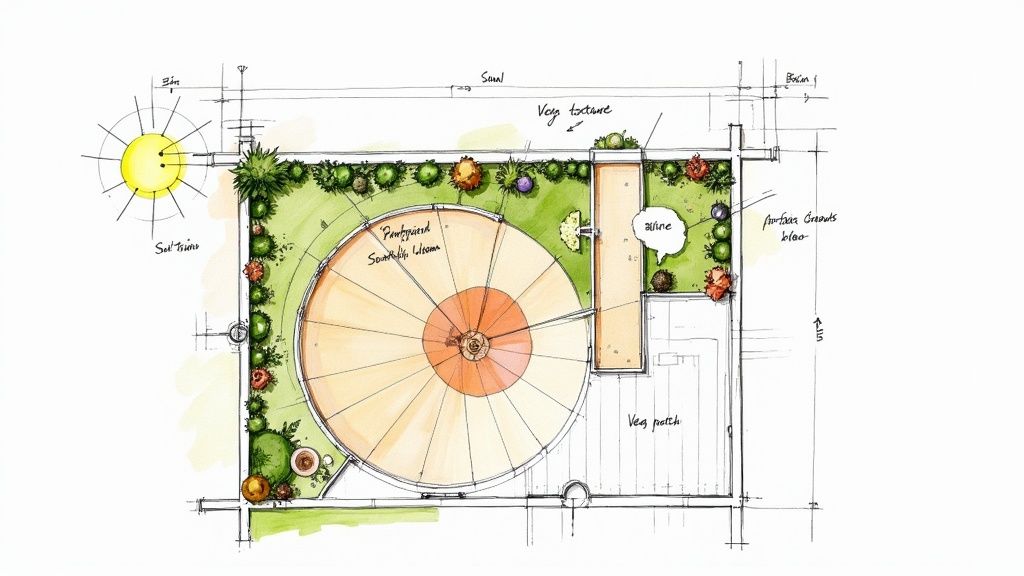
Before you even think about buying plants or laying pavers, the real work starts. The most successful landscaping projects are born from a deep understanding of the canvas you’re working with—your own backyard. This first phase is all about slowing down, observing, and asking the right questions.
Think of yourself as a detective, getting to know the unique personality of your property. This is what we call site analysis, and it’s a non-negotiable step for creating a garden that will truly thrive in our varied New Zealand conditions. Sometimes, getting started means dealing with what’s already there; you might need some expert help with stump removal and site clearing to create a blank slate.
Mapping Your Garden's Microclimate
Every single property has its own microclimates—little pockets where the conditions are slightly different from the rest of the garden. Finding these is the secret to putting the right plant in the right place, which saves a lot of headaches later on.
Start by watching the sun. Its path across your garden in the height of summer (December to February) is worlds away from its low arc during a chilly winter (June to August). A spot that gets absolutely baked in January might be in deep shade for most of the day come July.
Take a few days, or even a full week, to make notes on where the light falls and when.
- Morning Sun: This is the gentle stuff, perfect for more delicate plants that can't handle a harsh glare.
- Midday/Afternoon Sun: This is where the heat is. Only your tough, sun-loving plants are going to be happy here.
- Full Shade: These are the spots that get little or no direct sun. They need their own special palette of shade-loving plants to come alive.
Wind is another huge factor, especially those notorious southerlies. Notice where the wind funnels between the house and the garage, or whips around a corner. These areas might need a hardy windbreak or plants that can take a battering. On the flip side, a sheltered, north-facing corner could be the perfect suntrap for a cosy seating area.
To get a full picture, you need to see how these elements change throughout the year. Use this simple checklist to track what's happening in your garden season by season.
Seasonal Sun and Wind Analysis for Your NZ Garden
Use this checklist to observe and record key environmental factors in your garden across New Zealand's distinct seasons.
| Observation Point | Summer (Dec-Feb) Observation | Autumn (Mar-May) Observation | Winter (Jun-Aug) Observation | Spring (Sep-Nov) Observation |
|---|---|---|---|---|
| Front Door Area | ||||
| Back Deck/Patio | ||||
| Proposed Veggie Patch | ||||
| Side of the House | ||||
| Under Large Trees |
Spending a bit of time on this now means you'll make smarter choices that work with your environment, not against it.
Getting to Know Your Soil
The foundation of every great garden is the soil. You don't need a degree in soil science, but figuring out its basic type will save you a world of pain.
A simple 'squeeze test' can tell you a lot. Grab a handful of soil that’s moist but not sopping wet, and give it a firm squeeze. What happens?
- Clay Soil: Feels sticky and can be rolled into a smooth sausage. It’s great at holding onto water and nutrients, but can get waterlogged and compacted easily.
- Sandy Soil: Feels gritty and just falls apart. Water drains right through it, taking valuable nutrients along for the ride.
- Loam Soil: Crumbly and a bit spongy, it holds its shape but breaks apart easily when you poke it. This is the dream—a perfect balance of sand, clay, and silt.
Your soil type will dictate everything from what you can grow to how often you’ll need to water. The good news is that almost any soil can be improved over time by adding plenty of compost and organic matter.
A successful garden doesn’t fight against the site; it works in harmony with it. Observing your land’s natural tendencies is the first step towards creating a space that feels effortless and looks stunning year-round.
Translating Observations into a Vision
Once you've gathered all your clues, it’s time to start shaping your vision. This is the fun part, where you blend the practical realities of your site with your dreams for the space. Think of this as your design brief—a roadmap for the whole project.
Get really specific about what you want. Don’t just aim for "a nice garden"; define what "nice" actually looks and feels like to you.
- Functionality: Do you need a safe play area for the kids? A big deck for summer barbies? A productive veggie patch to keep the pantry stocked?
- Atmosphere: Are you picturing a private, tranquil retreat for your morning coffee? Or a vibrant, colourful space buzzing with flowers and bees? Maybe a sleek, modern garden with clean lines is more your style.
- Maintenance: This is a big one. How much time are you honestly prepared to spend on upkeep? Your answer will have a huge impact on your plant choices and the overall complexity of your design.
Taking the time for this analysis and vision-crafting is the bedrock of your entire project. It ensures every single decision, from the curve of a path to the choice of a single plant, is deliberate and helps create a garden you’ll absolutely love for years to come.
Designing the Bones of Your Garden
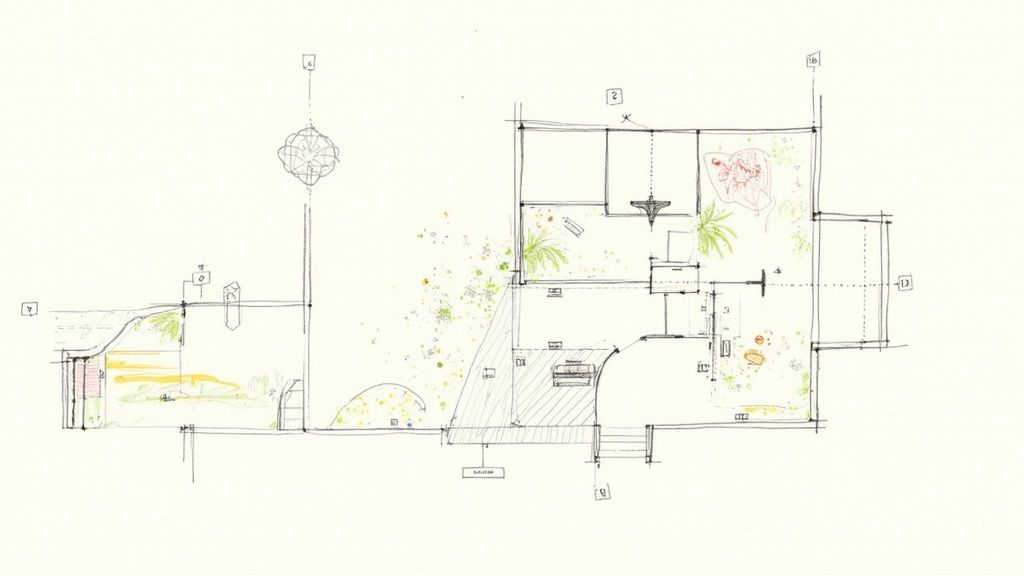
With a solid feel for your site's personality, it’s time for the fun to really kick in. Now we get to shape the space and create the 'bones' of your garden—that underlying structure giving your outdoor area its form, function, and purpose.
Think of it like sketching out the floor plan for a house. You wouldn't pick paint colours before deciding where the walls and doors go. It's the same in the garden. This is where you lay down pathways, decide on patios or decks, and carve out zones for different activities. It’s all about creating a natural, seamless flow.
This structural planning is what separates a truly thoughtful garden from just a random collection of plants. You're creating a journey, making the space feel intentional and organised from the ground up.
Sketching Your Garden's Layout
You don’t need to be an artist for this part. A simple sketch on graph paper is perfect for playing around with different layouts. Start by drawing the outline of your property, marking in the house, any big trees you're keeping, and other fixed features.
Now, just start experimenting with shapes and lines. Think about how you want to move through the garden.
- Pathways: Are you after the direct, formal feel of straight lines, or the more relaxed, natural vibe of gentle curves? A winding path can build a bit of mystery and make a garden feel bigger, as you can't see everything all at once.
- Patios and Decks: Where's the best spot for your main outdoor living area? You’ll want it to connect nicely with your indoor spaces and catch the best of the sun. Consider looking at various decking designs for gardens to get ideas on how to define and elevate these key areas.
- Zoning: Start thinking in 'rooms'. You might need a utility area for the clothesline and bins, a quiet little seating nook tucked into a corner, and a main space for entertaining friends and whānau.
Your garden's structure should guide how you move through it and create distinct zones for relaxing, entertaining, and getting things done. Good design creates a natural flow that makes the space a joy to be in.
Choosing a Style for Your Kiwi Garden
Picking a clear design style makes all your later decisions—from paving to plants—so much easier. It ensures everything works together. While you can pull inspiration from anywhere in the world, the real magic happens when you adapt a style to our unique New Zealand environment.
Today, your options are pretty much endless, so it’s all about finding what resonates with you.
Popular Garden Design Styles
- Contemporary: This style is all about clean lines, bold geometric shapes, and a minimalist palette. Think polished concrete, dark-stained timber, and a stripped-back plant selection that focuses on striking foliage and form.
- Cottage: A romantic, informal style absolutely brimming with flowers. It’s known for curving paths, rustic materials like brick or gravel, and beds packed tight with a lively mix of perennials, roses, and self-seeding annuals.
- Native: This style is a celebration of New Zealand's incredible flora. It often mimics our natural bush settings with flowing forms and materials like river stones and weathered timber. It’s a brilliant choice for a low-maintenance, water-wise garden that supports local wildlife.
- Formal: Symmetrical layouts, straight lines, and neatly clipped hedges are the hallmarks of this classic style. It's all about order and repetition, which creates a real sense of calm and elegance. Think box hedging, pleached trees, and classic stone pavers.
Once you’ve got these structural 'bones' and a guiding style locked in, you have a powerful blueprint for your whole project. This is the stage where you decide the fundamental shape and feel of your garden, which makes every following decision much more straightforward.
From here, you can start picking plants that not only thrive in our climate but also perfectly complement the structure you’ve designed. If you want to establish that structure quickly, it’s worth looking into some of the fast-growing trees suitable for NZ gardens to create privacy screens or instant focal points.
Choosing Plants and Materials That Last
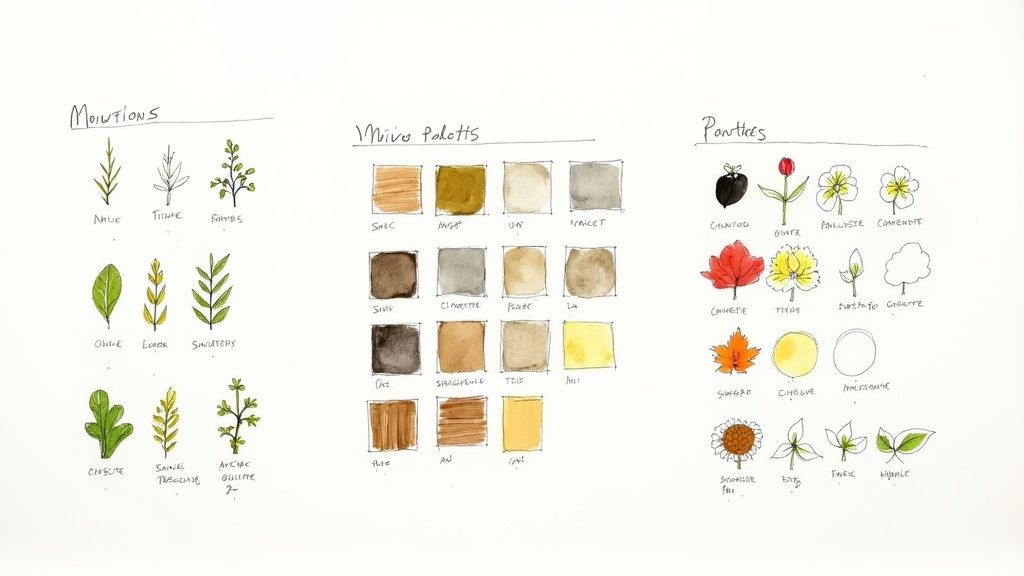
With the structural bones of your garden now mapped out, we get to the fun bit—the part where its true personality begins to shine through. This is where we layer in life and texture, focusing on the two core components of any landscape: the living plants (softscaping) and the solid structures (hardscaping).
Getting this balance right is absolutely crucial. The choices you make here will define the look, feel, and long-term success of your garden. It’s all about picking plants that will thrive and materials that will endure, creating a space that looks beautiful from day one and only gets better with time.
Crafting a Resilient Plant Palette
Great planting design goes way beyond just picking pretty flowers at the garden centre. A truly special garden offers something to look at all year round, not just for a few weeks in spring. To achieve this, you need to think like a designer, building a plant palette based on more than just fleeting blooms.
The key is to create layers using foliage, texture, and form. Think about the different roles plants play. Not every plant needs to be a show-stopping star; you also need a strong supporting cast to create a cohesive and harmonious picture.
A classic rookie error is buying plants on a whim and then trying to find a spot for them. A great garden starts with a plan, using the 'right plant, right place' mantra to ensure every choice is intentional and suited to its specific location.
The Right Plant for Your Kiwi Garden
New Zealand's climate is incredibly forgiving, allowing us to grow a huge range of both native and exotic plants. The secret is matching your choices to your specific microclimate—the sun, wind, and soil conditions you scoped out earlier.
Here are a few ideas for creating a balanced and interesting garden:
- Structure and Evergreens: These are the permanent backbones of your garden beds. Think of native superstars like griselinia or pittosporum for hedging, or smaller shrubs like hebes that provide year-round green. For exotics, you can’t go wrong with the reliable structure of buxus (box hedging) or the graceful form of camellias, which give you glossy winter foliage and stunning flowers from June to August.
- Textural Contrast: Mix up different leaf shapes and textures to create visual depth. For instance, the bold, architectural leaves of a native flax (harakeke) look incredible next to the soft, feathery foliage of a fern. In the same way, the silvery-grey leaves of lamb's ear or Russian sage provide a beautiful contrast against dark green shrubs.
- Seasonal Interest: While evergreens provide the foundation, it’s the perennials and deciduous plants that bring the seasonal drama. Plan for a succession of blooms. You might have early spring bulbs, followed by summer-flowering perennials like echinacea and salvia, and then asters that hold their colour well into autumn. Don't forget winter interest—the vibrant red stems of dogwood or the delicate flowers of hellebores can really brighten up the garden during the cooler months.
Selecting Hardscaping Materials That Endure
Hardscaping covers all the non-living elements in your garden—the paths, patios, retaining walls, and decks. These materials form the functional framework of your space, so choosing the right ones is a critical investment. Your decision should balance looks, budget, and durability against New Zealand's unique weather conditions.
A well-chosen material should complement the style of your home, creating a seamless flow from the inside out. For example, a modern home with clean lines might suit large-format concrete pavers, while a classic villa could be better paired with traditional brick or natural stone.
Comparing Common Hardscaping Options
When it comes to paving and patios, you've got several excellent choices, each with its own pros and cons.
| Material | Pros | Cons | Best Suited For |
|---|---|---|---|
| Timber Decking | Warm, natural aesthetic; great for sloped sites and creating elevated living areas. | Requires regular maintenance (staining/oiling) to prevent rot and fading. | Outdoor dining and lounge areas, connecting indoor and outdoor spaces. |
| Concrete Pavers | Huge variety of colours, sizes, and styles; durable and cost-effective. | Can be prone to weeds in joints; colours may fade over time in harsh sun. | Patios, pathways, and modern, clean-lined garden designs. |
| Natural Stone | Timeless and elegant appearance; extremely durable and long-lasting. | Can be the most expensive option; installation can be more labour-intensive. | Premium patios, formal garden paths, and creating a high-end feel. |
| Gravel/Pebbles | Affordable and excellent for drainage; creates a relaxed, informal look. | Can be messy and migrate into garden beds; not ideal for wheeled furniture. | Informal paths, low-traffic areas, and creating textural contrast. |
For retaining walls, popular choices in New Zealand include treated pine for a cost-effective solution, or more permanent options like interlocking concrete blocks and poured concrete for a sleek, contemporary finish. The right choice will come down to the height of the wall, the style of your garden, and your budget.
By carefully considering both your plants and materials, you ensure every element works together to create a durable, beautiful, and lasting garden sanctuary.
Turning Your Garden Plan Into Reality
With a solid design in your hands, the real excitement can finally begin. This is the moment where sketches on paper and big ideas start to take shape as a physical, tangible space you can actually walk through.
Turning your plan into a real-life garden is a methodical process. Tackling it in the right order is the secret to avoiding unnecessary stress and costly mistakes down the track.
The key to a successful build is working from the ground up—literally. You always start with the heavy, disruptive jobs first and finish with the delicate, final touches. This logical sequence means you won't be compacting freshly improved soil with a wheelbarrow full of pavers or damaging new plants while you're trying to build a deck.
The Foundation Work: Heavy Lifting First
Before any of the beautiful stuff can be added, you need to prepare your canvas. This foundational stage is all about clearing the site and making sure your soil is ready to support healthy plant life for years to come.
First up is clearing the site. This means getting rid of any unwanted turf, weeds, old plants, or leftover debris. For bigger projects, this might involve hiring a small digger for major earthworks or levelling—a job that's often best left to the professionals. It's messy, but it’s the essential first step to creating a clean slate.
Next, it's time to focus on the soil. All that beautiful planting you’ve planned depends entirely on what’s underneath it. Now is the perfect time to dig in bulky organic matter like compost or aged manure to improve its structure and fertility. If your plan includes features like raised beds, our guide on building raised wooden garden beds has some practical advice for setting them up at this stage.
Installing the Hardscaping Structure
Once the ground is prepped, it's time to build the 'bones' of the garden. Hardscaping refers to all the non-living structural bits, like paths, patios, decks, and retaining walls. These should always be installed before you even think about planting.
Getting the installation sequence right for these elements is critical.
- Underground Services: If your plan includes garden lighting or an irrigation system, get the necessary pipes and electrical conduits in the ground now. Trust me, digging trenches after your patio is laid is a nightmare you want to avoid at all costs.
- Structural Elements: Next up, build any retaining walls, steps, or large features like pergolas and decks. These are major construction jobs that need solid footings and clear access.
- Flat Surfaces: Finally, lay your paths and patios. This ensures they have clean, sharp edges that meet the soil or lawn areas correctly and look professionally finished.
Deciding between a DIY approach and hiring a professional often comes down to tools, time, and your tolerance for things going wrong. Be honest with yourself—while laying a few pavers can be a satisfying weekend job, complex decking or any electrical work really requires an expert.
The Final Flourish: Planting Your Garden
This is the moment you've been waiting for—bringing your garden to life with plants. With all the heavy construction out of the way, you can add your softscaping without the risk of it getting damaged. It’s easily the most rewarding part of the whole process.
A great tip is to start by setting out your plants in their pots according to your design. Place the largest items first—the trees and big shrubs—to establish the main structure. Then, fill in around them with your medium-sized shrubs and perennials, finishing with groundcovers and smaller border plants. This lets you see the composition in 3D and make any final tweaks before you start digging.
This trend of creating green spaces is growing far beyond our own backyards. A recent survey highlighted a huge rise in community gardening across New Zealand, with over 70% of community gardens being established in just the last two decades. It points to a wonderful, shared passion for cultivation and creating green sanctuaries, whether they’re in our own plots or shared ones. You can discover more insights about this community gardening trend in Aotearoa in the full survey report.
Common Garden Landscaping Questions
When you're ready to get stuck into a garden project, it's natural for a few questions to pop up. Sorting these out early on helps you plan properly and tackle the job with a bit of confidence, saving you from some common headaches down the line.
Let's dive into some of the most frequent queries we hear from Kiwis keen to give their outdoor spaces a makeover.
What Is the Best Time to Start a Landscaping Project in New Zealand?
Getting your timing right can make all the difference, especially when you’ve got new plants to get in the ground. For any planting, Autumn (March to May) is hands down the best season to get started in New Zealand.
The soil is still holding onto that summer warmth, which gives roots a brilliant head start, but the scorching sun has backed off. This means less stress for your new plants and gives them all of winter and spring to get settled in before the heat of next summer arrives.
What about the hardscaping—the decks, paths, and retaining walls? You can technically build those any time of year. But let's be realistic, nobody enjoys working in the mud. The drier months make everything easier and quicker, so late summer or autumn is a great bet for these jobs, too.
How Much Should I Budget for a Garden Design Project?
Ah, the classic "how long is a piece of string?" question. The truth is, the cost can swing wildly. A simple weekend DIY job with a few bags of mulch and some new plants might only cost you a few hundred dollars.
But if you’re looking at a full-scale transformation with professional help—think earthworks, a new patio, and established trees—you could easily be looking at tens of thousands.
A good rule of thumb we often use in the industry is to set aside between 5% and 15% of your home's value for your landscaping. Think of it as an investment that not only makes your home more enjoyable but can seriously bump up its resale value.
The key is to be clear on your priorities. Figure out what your absolute must-haves are and where you can be a bit more flexible. And for any big jobs, always get detailed quotes before you commit to anything.
Do I Need Council Consent for My Landscaping Work?
This really depends on how ambitious your plans are. A lot of landscaping work falls under what’s called 'permitted work', meaning you don't need to bother the council at all.
Generally, you're in the clear for things like:
- Planting new garden beds.
- Laying a patio or path that sits directly on the ground.
- Building a low retaining wall, usually under 1.5 metres, as long as it's not holding up a massive load like a driveway.
- A deck that's nice and low to the ground (often under 1.5 metres high).
But, the moment your plans involve major digging, taller retaining walls, or high decks, you'll almost certainly need to get in touch with your local council. The rules can be slightly different from one district to another, so always check your local council's specific rules before you start building anything structural. It’s a phone call that can save you a world of trouble.
Ready to bring your garden vision to life? Explore an incredible selection of plants perfect for any Kiwi garden at Jungle Story. From architectural natives to lush subtropicals, we connect you with trusted sellers across New Zealand to help you create the outdoor space you've always dreamed of. Find your perfect plants today at https://junglestory.co.nz.