
Welcome to the captivating world of Anthuriums, the tropical treasures making a real statement in Kiwi homes. You might know them as the Flamingo Flower, and it's easy to see why. Their glossy, heart-shaped leaves and vibrant, incredibly long-lasting blooms bring a stunning touch of the exotic indoors. This guide is here to demystify Anthurium care, showing you exactly how these gorgeous plants can thrive in New Zealand's unique climate.
Bringing the Tropics Indoors in New Zealand
Anthuriums are so much more than just another houseplant; they're a piece of living art. It's their striking appearance, with those colourful, waxy spathes (often mistaken for flowers) that can last for weeks on end, that makes them a favourite for adding a splash of colour to any room. For plant lovers across Aotearoa, the anthurium offers a chance to cultivate a slice of the tropics, even when it’s grey and rainy outside.
Think of this guide as your roadmap to growing a healthy, flourishing Anthurium. We'll cover everything from picking out the perfect variety to mastering the nuances of seasonal care, all adjusted for our Southern Hemisphere seasons.
Why Anthuriums Are Perfect for Kiwi Homes
While they come from warm, humid climates, many Anthurium varieties adapt beautifully to indoor life here in New Zealand. They're a fantastic choice for a few key reasons:
- Long-Lasting Beauty: The blooms, or spathes, are incredibly durable. They often last for up to eight weeks, providing continuous colour far longer than any bouquet of cut flowers ever could.
- Air-Purifying Qualities: Like many indoor plants, Anthuriums are known to help filter common household toxins from the air, contributing to a healthier living environment.
- Aesthetic Versatility: With a massive range of colours—from classic reds and pinks to elegant whites and deep, moody purples—there’s an Anthurium to match any home decor style.
To effectively integrate anthuriums into your home and ensure they thrive within your living environment, it's beneficial to understand the principles of space planning. Proper placement not only enhances their beauty but also meets their specific light and humidity needs, turning your plant into a true centrepiece.
With just a little NZ-specific know-how, you can make sure your plant becomes a standout feature. They are one of many fantastic options for creating a lush indoor environment, a topic you can explore further in our guide to growing tropical plants in NZ. This article will walk you through every step, ensuring your journey into Anthurium care is a successful and rewarding one.
Choosing Your Perfect Anthurium Variety
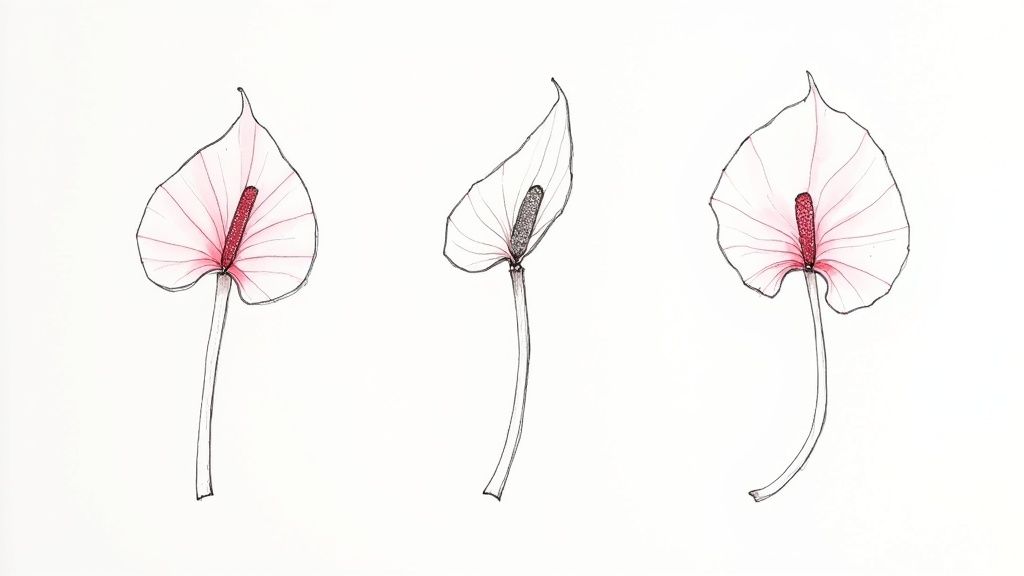
When someone mentions an Anthurium, you probably picture that classic, glossy red bloom. It’s an icon for a reason! But while the red Flamingo Flower is a stunning choice, the world of Anthuriums is so much bigger and more vibrant than just one colour.
Once you start exploring, you’ll find everything from soft, delicate pinks and pure, elegant whites to dramatic, moody purples. There’s genuinely an Anthurium to suit any vibe or interior design style, which is a huge part of why they’ve become so popular across New Zealand.
The Classic Beauties: Spathe-Focussed Varieties
These are the Anthuriums most of us recognise instantly. We love them for their colourful, waxy spathes — that’s the modified leaf we all think of as the flower. The real flowers are actually tiny and grow on the central spike, known as a spadix.
-
Red Anthurium (Anthurium andraeanum): This is the quintessential Flamingo Flower. That vibrant red spathe is a real statement piece, bringing a burst of energy to any room. It's also hardy and reliable, making it a perfect starting point for beginners.
-
Pink Anthurium: For a softer touch, pink varieties are just lovely. They have a gentle, graceful feel that’s perfect for adding warmth to a bedroom or living space. Unsurprisingly, they’re a hugely popular choice for gifts.
-
White Anthurium: Symbolising purity and calm, a white Anthurium brings a touch of sophistication to a room. Its clean, elegant look is a natural fit for minimalist or modern decor, adding a bit of timeless class.
-
Purple or Black Anthurium: If you're after something truly unique, the dark tones of varieties like 'Black Love' are spectacular. These plants have a luxurious, dramatic feel that is guaranteed to get people talking.
Over the last couple of decades, the cultivation of these flowering varieties has really taken off here in New Zealand. A mature anthurium nz plant will usually grow to about 40 to 45 cm tall and wide, and a single bloom can last for an incredible 8 weeks. It’s this durability, paired with their glossy, year-round foliage, that’s made them a firm favourite in Kiwi homes.
The Foliage Superstars: For the Leaf Lovers
Now, let's step away from the spathes for a moment. Another group of Anthuriums is grown purely for its breathtaking foliage. These are the plants with velvety textures, dramatic veining, and incredible leaf shapes that look like living works of art. Among collectors, they are some of the most sought-after great indoor houseplants.
Think of foliage Anthuriums as the "collector's choice." While the flowering types are like a beautiful, long-lasting bouquet, foliage types are like having a piece of living velvet sculpture in your home.
Caring for them can be a little more specific, but their stunning looks are more than worth the effort.
Top Foliage Varieties to Find in NZ
-
Anthurium clarinervium: Often called the "Velvet Cardboard" Anthurium, this one is a true showstopper. Its large, heart-shaped leaves are a deep, dark green with a thick, almost leathery texture. But it's the striking, electric-white veins that really make it pop. It’s a must-have for any serious plant collector in New Zealand.
-
Anthurium crystallinum: Very similar to clarinervium but with its own unique shimmer, the crystallinum has large, velvety leaves with prominent, silvery-white veins. As it matures, the leaves can get seriously impressive in size, making it a spectacular specimen plant.
-
Anthurium veitchii: Meet the "King Anthurium." This variety is famous for its enormous, corrugated leaves that can grow over a metre long in the right conditions. The elongated, rippled foliage has an almost prehistoric look, adding a bold architectural element to any plant collection.
Popular Anthurium Varieties in New Zealand
To help you decide, here’s a quick rundown of some of the most popular Anthurium varieties you'll come across here in New Zealand, from the classic flowering types to the show-stopping foliage superstars.
| Variety Name | Spathe/Flower Colour | Leaf Characteristics | Size | Ideal For |
|---|---|---|---|---|
| Red Anthurium (A. andraeanum) | Vibrant Red | Glossy, heart-shaped, dark green | 40-45 cm | Beginners, adding a bold pop of colour |
| Pink Anthurium | Shades of Pink | Glossy, heart-shaped | 40-45 cm | Gifting, adding a soft and warm touch |
| White Anthurium | Pure White | Glossy, elegant, heart-shaped | 40-45 cm | Minimalist decor, creating a serene vibe |
| Anthurium clarinervium | N/A (grown for leaves) | Velvety, dark green with stark white veins | 30-60 cm | Collectors, creating a textural feature |
| Anthurium crystallinum | N/A (grown for leaves) | Velvety, large with silvery-white veins | 40-90 cm | Experienced growers, making a statement |
| Anthurium veitchii | N/A (grown for leaves) | Huge, elongated, corrugated "rippled" leaves | Up to 1m+ | Advanced collectors, architectural drama |
Whether you fall for a pop of consistent colour or get captivated by intricate patterns and textures, the choice is all yours. Either way, the wonderfully diverse world of the anthurium nz has the perfect match waiting for you.
Mastering the Essentials of Anthurium Care
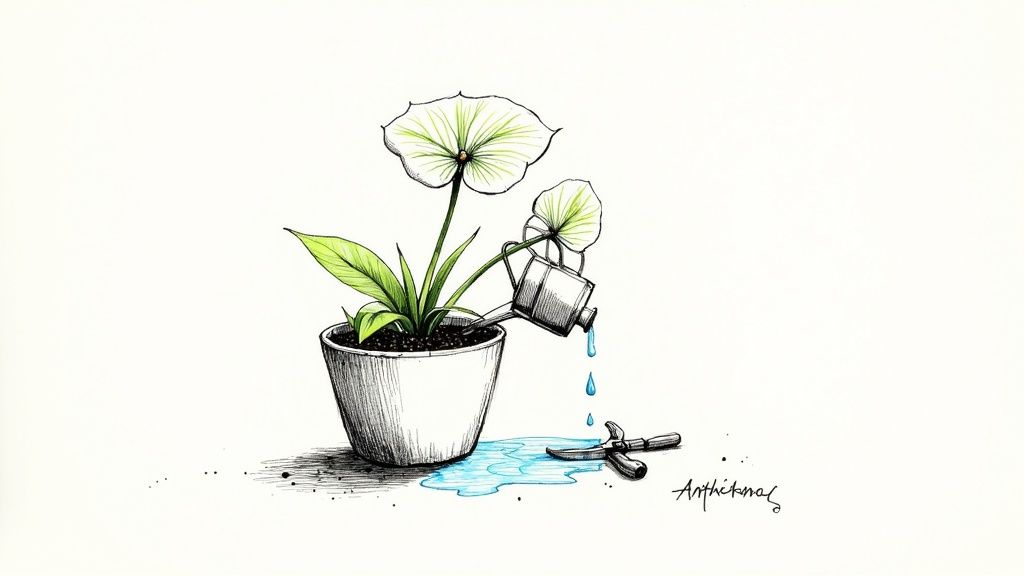
Successfully growing an Anthurium in a New Zealand home isn't about some complicated secret; it's about getting four key things right. Think of it like a four-legged stool—if one leg is wobbly, the whole thing is unstable. For your plant to be happy, it needs a steady balance of light, water, humidity, and the right soil.
Forget any generic, one-size-fits-all advice you've read online. Caring for an Anthurium NZ style means tweaking these basics for our unique Kiwi environment. We'll show you how to read the signs your plant is giving you and provide exactly what it needs to not just survive, but truly flourish.
Decoding Light in a Kiwi Home
The most common advice for Anthuriums is "bright, indirect light," but what does that actually mean inside a New Zealand house? It’s the kind of light that’s strong enough to cast a soft, fuzzy shadow, but not so intense that it creates a sharp, hard-edged one. Direct, harsh sunlight will scorch the leaves, leaving behind nasty brown patches.
Picture the dappled light filtering through the canopy of a tropical rainforest—that's the gold standard you're trying to replicate. In a Kiwi home, this sweet spot is often found a metre or two back from a north-facing window. East-facing windows, which get that gentle morning sun, are another excellent choice.
And don't forget our seasonal shifts. The low, intense sun of a winter afternoon (from June to August) in Auckland can be just as damaging as the midday summer sun down in Dunedin. Keep an eye on how the light moves through your rooms during the day and be prepared to move your plant.
The Art of Watering Your Anthurium
Overwatering is the number one mistake Kiwi plant parents make, and it's the fastest way to kill an Anthurium. These plants are epiphytes in their natural habitat, meaning their roots are used to lots of air circulation, not sitting in a swamp. Constantly wet soil leads to root rot, a deadly condition that’s very hard to come back from.
The trick is to let the top 2-3 cm of the soil dry out completely before you even think about watering again. Don't water on a strict schedule; instead, get into the habit of poking your finger into the soil every few days to check. When it is time to water, do it thoroughly. Let the water run right through the pot and out the drainage holes at the bottom.
Your watering routine will change dramatically with the seasons. During the active growing period of spring and summer, you might water weekly. But in the cooler, darker months of a New Zealand winter (June to August), your plant’s growth slows right down, and it will need far less water—maybe only every two to three weeks.
After a good soak, always tip out any excess water that's collected in the saucer or cover pot. Leaving your Anthurium sitting in a puddle is a guaranteed recipe for disaster.
Boosting Humidity When the Heat Pump Is On
Anthuriums come from the humid tropics and they absolutely crave moisture in the air. New Zealand homes, especially in winter when we’re all running heat pumps or dehumidifiers, can become incredibly dry. This lack of humidity is a huge source of stress for these plants.
You'll know the air is too dry if you start seeing brown, crispy edges on the leaves. Luckily, boosting humidity is easy and doesn't have to be expensive.
- Group Your Plants: Plants naturally release moisture through transpiration. Huddling your tropical plants together creates a lovely, humid little microclimate.
- Use a Pebble Tray: Find a shallow tray, fill it with pebbles, and add water until it just touches the bottom of the stones. Sit your plant pot on top. As the water evaporates, it increases the humidity right around your plant.
- Regular Misting: A light spritz with a spray bottle every few days can provide a temporary humidity boost. It's not a complete fix, but it definitely helps.
These simple techniques can make a massive difference, keeping your Anthurium's foliage lush and healthy, even through the driest Kiwi winter.
The Perfect Potting Mix Recipe
Standard potting mix straight from the bag is often too dense and heavy for Anthuriums. Their roots need a light, airy, and super well-draining medium to thrive. Think chunky and loose, not fine and compacted. A good mix allows water to flow through easily while holding on to just enough moisture.
Mixing your own perfect Anthurium blend is simple, and you can get all the ingredients from any New Zealand garden centre.
Here’s a tried-and-true recipe for a happy Anthurium NZ plant:
- One Part Premium Potting Mix: This forms the base and provides the essential nutrients.
- One Part Orchid Bark: This is the magic ingredient. It adds that chunky texture, creating air pockets for the roots to breathe.
- One Part Perlite: These little white volcanic rocks improve aeration and stop the mix from getting compacted over time.
Just combine these three ingredients in equal parts, and you've got a potting medium that perfectly mimics the airy conditions Anthuriums adore. This custom blend is the final pillar of care, giving your plant the ideal foundation for strong roots and spectacular growth.
A Feeding and Repotting Schedule for NZ Seasons
Just like us, plants have their high-energy seasons and times they need to rest. To really get your Anthurium thriving long-term, you need to sync its care schedule with the natural rhythm of the New Zealand seasons. Knowing when to offer up some food and when to give it a bit more space is the secret to unlocking consistent, healthy growth.
Think of feeding your plant as giving it fuel for a big race. The race is the growing season, which for an Anthurium in NZ, runs from spring (starting in September) right through to late autumn. This is when your plant is actively pushing out new leaves and, with any luck, those incredible, colourful spathes.
Fertilising for Flourishing Growth
Here in New Zealand, the main growing season kicks off around September and starts to wind down in April. During these warmer, brighter months, your Anthurium is putting in the hard yards and needs a regular supply of nutrients to perform at its best. Without this fuel, growth can stall, and you might find it stops producing flowers altogether.
During this active period, you should aim to fertilise your Anthurium every two to four weeks. It's really important to use a well-balanced fertiliser designed for flowering indoor plants.
- Liquid Fertiliser: This is often the easiest and most effective way to go. Always dilute it to half the recommended strength to avoid burning the sensitive roots. A weak solution applied more frequently is much safer than hitting it with a strong dose every now and then.
- Slow-Release Fertiliser: These are little pellets you can mix into the soil that gradually release nutrients over a few months. They're a great low-maintenance option but give you less control over the feeding schedule.
As winter rolls in, from about May to August, your plant enters a sort of dormancy. Growth slows right down thanks to lower light and cooler temperatures. During this time, you should stop fertilising completely. Trying to force-feed a resting plant can do more harm than good, leading to root damage and a build-up of mineral salts in the soil. To learn more about picking the right product, have a look at our detailed guide on the best indoor plant fertilizer for your houseplants.
When and How to Repot Your Anthurium
Repotting can feel like a big deal, but it’s a crucial step in keeping your Anthurium happy and healthy. Over time, a plant will simply outgrow its pot, becoming "root-bound." It's like wearing shoes that are two sizes too small—uncomfortable and totally restricting.
A root-bound plant has used up all the nutrients in its soil and has nowhere left for its roots to grow. Repotting isn't just about giving it a bigger home; it's about providing fresh, nutrient-rich soil and the space it needs to thrive for the next couple of years.
Keep an eye out for these tell-tale signs that it’s time for an upgrade:
- You can see roots circling the inside of the pot or poking out of the drainage holes.
- The plant is drying out much faster than usual, meaning you're watering it more often.
- Water runs straight through the pot without being absorbed because there’s more root than soil.
- Growth has slowed right down or stopped completely during the growing season.
The best time to repot in New Zealand is in early spring (September or October), just as the plant is waking up from its winter nap and getting ready for a big growth spurt. Repotting now minimises stress and helps the plant settle into its new home quickly. Plan to repot your Anthurium every two to three years, or whenever you spot the signs of it being root-bound.
When you do repot, choose a new pot that is only about 2-4 cm wider in diameter than the old one. A pot that’s too big can hold onto excess moisture, creating the perfect conditions for root rot.
Troubleshooting Common Anthurium Problems
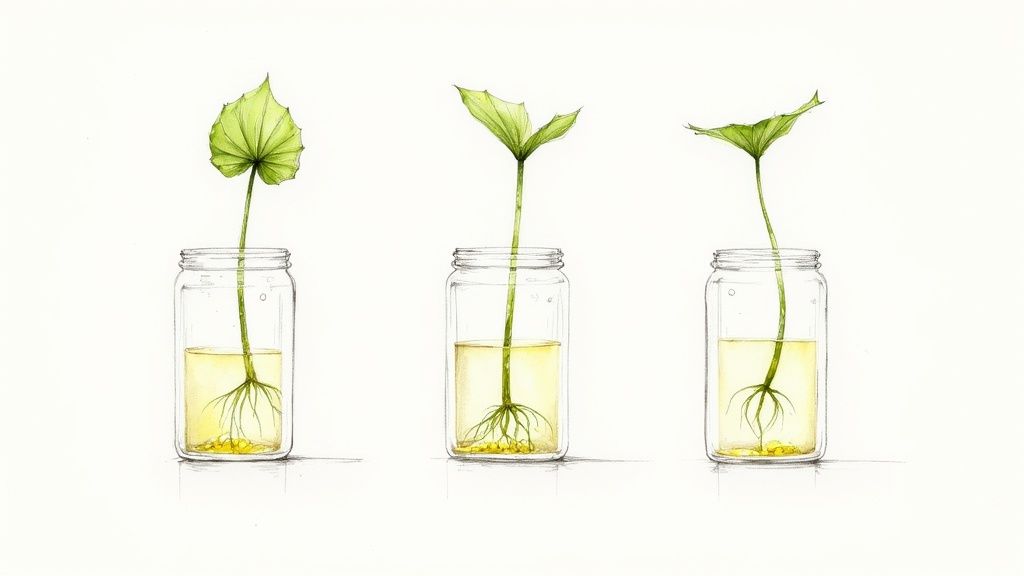
Even with the best of intentions, every plant parent runs into a bit of trouble now and then. The good news? Your Anthurium is a great communicator. Its leaves will tell you exactly what’s wrong, long before it becomes a big deal.
Think of this section as your field guide for diagnosing the most common issues Anthurium growers in NZ face. Learning to read the signs means you can sort things out quickly and keep your plant thriving.
Decoding Your Anthurium's Leaves
The foliage is where your plant sends out its SOS signals. Yellowing leaves, brown tips, or just a general lack of shine are all clues. Before you panic, take a close look at the symptoms – each one points to a different, and usually simple, fix.
Yellowing Leaves (Especially the Lower Ones)
This is almost always a sign of overwatering. When the soil stays soggy, the roots can't breathe and start to rot, which stops them from sending nutrients up to the plant. As a defence mechanism, the plant will sacrifice its oldest leaves first, which are the ones at the bottom.
- The Fix: Stop watering immediately and check the soil. You want the top 3-5 cm of the potting mix to feel completely dry before you even think about reaching for the watering can again. And make sure its pot has good drainage holes and is never left sitting in a puddle of water.
Brown, Crispy Leaf Tips or Edges
This is a classic symptom of low humidity. The air in many New Zealand homes, especially with a heat pump blasting in winter, is just too dry for these tropical beauties. The leaf tips are the furthest point from the roots, so they're the first to show stress when the air is lacking moisture.
- The Fix: Bump up the humidity around your plant. You can group it with other plants (they create their own little humid microclimate), place its pot on a tray of pebbles and water, or give the leaves a light misting every few days. A small humidifier is also a brilliant investment if you’re serious about your tropical plant collection.
No Flowers or Blooms
If your flowering Anthurium looks healthy but just won't produce those stunning colourful spathes, the culprit is usually light. While they hate direct sun, they still need plenty of bright, indirect light to get the energy needed to flower.
- The Fix: Try moving your plant to a brighter spot, maybe a bit closer to a north-facing window. A position near an east-facing window that gets some gentle morning sun is also perfect. Giving it more light, particularly during the NZ growing season from spring through autumn, is the best nudge you can give it to start blooming.
Tackling Common Household Pests
Indoor plants in New Zealand can occasionally attract unwanted guests. For Anthuriums, the two you’re most likely to meet are fungus gnats and spider mites.
Fungus Gnats: These are those annoying little black flies that hover around the soil. The adults are harmless but irritating. It’s their larvae, living in the damp top layer of soil, that can cause damage to your plant’s roots.
Spider Mites: These pests are tiny and hard to spot, but you’ll see their tell-tale signs: fine, silky webbing on the undersides of leaves and where the leaf joins the stem. They feed by sucking sap from the plant, causing yellow speckles on the foliage.
Here’s a simple action plan if you spot either of them:
- Isolate: The moment you see pests, move the infected plant away from your other houseplants to stop them from spreading.
- Manual Removal: For spider mites, grab a damp cloth and wipe down every leaf (top and bottom) to physically remove as many as you can.
- Neem Oil Solution: Mix up a solution of neem oil, a single drop of dish soap, and water in a spray bottle. Spray the entire plant thoroughly, paying special attention to the undersides of leaves and the surface of the soil. You'll need to repeat this every 5-7 days until you're sure all the pests are gone.
Anthuriums in Kiwi Homes and Floristry
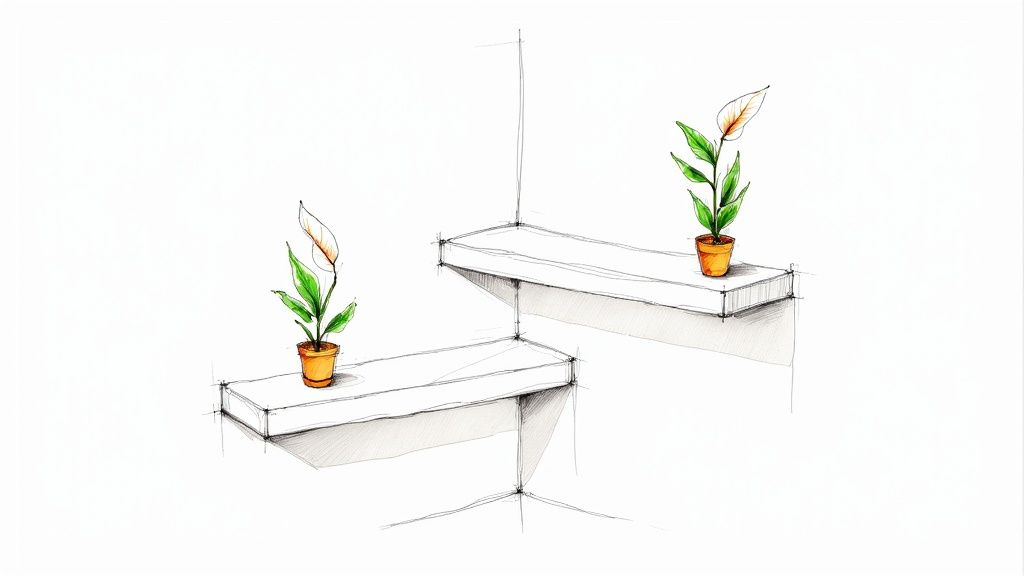
Anthuriums are more than just a pretty houseplant here in New Zealand; they’ve carved out a special place in our floristry and interior design scenes. With their sleek, architectural form and vibrant, glossy spathes, they’re a powerful design element that can transform a room with a single, elegant touch.
It’s this versatility that makes the anthurium nz a go-to for Kiwi floral designers. They have a remarkable vase life, often lasting several weeks. This means arrangements for weddings, corporate events, and boutique hotels stay looking fresh and impactful for far longer than those made with more delicate flowers.
The Rise of Anthuriums in NZ Floristry
Even with our temperate climate, there’s a growing appetite for Anthurium cut flowers on the domestic market. Valued for their exotic, tropical feel, they’re a popular choice for weddings and other special events. While some of our supply comes from growers in the Pacific, many of the stems you see are sourced from local specialists or regional importers.
A Statement in Biophilic Design
In the world of interior design, Anthuriums are stars of the biophilic design movement—the idea of connecting us back to nature within our indoor spaces. Designers across the country use their bold shapes and rich colours to create living art.
An Anthurium isn't just a plant you tuck away in a corner; it's a structural feature. Its clean lines can soften modern architecture or add an unexpected pop of colour to a minimalist room, almost like a natural sculpture.
Their lasting beauty and symbolism of hospitality and love also make them a popular and thoughtful gift. Whether it’s a single stem in a vase or a thriving potted plant, the Anthurium is a true design icon in Aotearoa, which is why they're often considered when you want to discover other excellent choices for plant gifts.
Got Questions About Your Anthurium?
When you're trying to get your head around Anthurium care, a few questions always seem to pop up, especially when you're figuring things out for our unique Kiwi climate. Let's get them sorted with some simple, straight-to-the-point answers.
Can I Grow My Anthurium Outside in New Zealand?
Look, in most parts of New Zealand, that's going to be a no. As true tropical plants, they're just not built for the cold and can't handle frost or any long stretches of weather below 15°C.
You might get away with it in a super sheltered, balmy little microclimate way up in the subtropical Far North. But for the rest of us? They're much, much happier inside where you can keep them warm and give them the humidity they crave all year round.
Why Has My Anthurium Stopped Flowering During Winter?
Don't panic! It's completely normal for your Anthurium to take a break from flowering during a New Zealand winter, which typically runs from June to August. Think of it as their annual holiday – the shorter days and cooler temperatures are a natural signal for them to conserve energy.
To coax those beautiful blooms back, make sure your plant is getting as much bright, indirect light as you can find during the darker months. You’ll also want to ease up on the watering and stop feeding it altogether while it's resting. Come September, when spring kicks in, you can get back to your usual routine, and that should be the trigger for new flowers and growth.
Where Can I Buy Unique Anthurium Varieties in NZ?
While the big garden centres are great for the common Anthurium andraeanum, finding those rarer foliage types or funky colours usually means a trip to a specialist indoor plant store. Boutique plant shops in cities like Auckland, Wellington, and Christchurch are often the best places to hunt for interesting cultivars they’ve either imported or propagated themselves.
Another fantastic way to find a gem is to jump into New Zealand's houseplant communities on social media. It’s a great way to connect with private sellers or even trade with other collectors to find some of the more unusual Anthurium species out there.
It’s worth noting that while these plants are incredibly popular, they are not native to New Zealand and don't pose an invasive risk. Our botanical records show that Anthurium species are only found in controlled environments here, thanks to strict biosecurity measures that protect our incredible native flora. If you're interested in how different species are catalogued in Aotearoa, you can explore the Ngā Harore o Aotearoa database.
Ready to bring a slice of the tropics into your home or find that perfect Anthurium to complete your collection? At Jungle Story, we link you up with New Zealand's finest growers, offering an amazing range of healthy, happy plants delivered straight to your doorstep.
Explore our collection of Anthuriums and other tropical plants at Jungle Story today!