
Finding the perfect outdoor planter pots is where the magic really begins in transforming your garden, patio, or balcony into a lush green escape. The right container does more than just show off your plants; it’s key to their long-term health, giving them the perfect environment to grow and thrive. Think of this guide as your complete roadmap to choosing with confidence, especially for our unique New Zealand conditions.
Why Your Choice of Planter Pot Matters
Choosing an outdoor pot is so much more than a design choice—it's a critical gardening decision. A planter is essentially a plant's home. Just as our homes shield us from the elements, a pot has to protect delicate roots from the scorching summer sun and those sudden frosts, especially down south.
The pot you pick directly impacts how well your plant does and, honestly, how much work you have to do. A porous terracotta pot, for instance, is brilliant for plants that hate having 'wet feet'. On the other hand, a big, insulated fibreglass planter can be a lifesaver, stopping the soil from drying out too fast during a hot Northland summer.
Core Principles of Pot Selection
To get you started, let's break down the fundamentals. We’ll dive deeper into each of these soon, but getting your head around them now will give you a solid foundation.
- Material: Does it hold onto moisture or let it breathe? Is it heavy enough to stand up to a classic Wellington gust, or light enough that you can actually move it around your deck?
- Size: Is there enough room for roots to grow and to provide some insulation? A pot that’s too small will stunt growth and can dry out in just a few hours on a sunny day.
- Drainage: This is a big one. Does it have enough holes to prevent waterlogging? That’s a common killer during our rainy Kiwi winters. Good drainage is non-negotiable.
- Climate Suitability: Will it crack in a Central Otago frost or fade under that intense Kiwi sun?
The Evolving NZ Garden Scene
The way we Kiwis use our outdoor spaces is definitely changing. With more of us living in apartments and townhouses, little gardens and balconies are becoming the new backyard. This has really shaken up the demand for outdoor planter pots NZ wide, as they offer a fantastic, flexible way to get your garden fix in a smaller space. For a closer look at the different types available, you might want to explore this detailed guide on plant containers in NZ.
It's interesting to see how this shift towards city living has rippled through the whole garden retail market. Industry reports show that while overall revenue from garden supplies dipped a little leading up to 2025 because of these smaller living areas, the future still looks bright. A big part of that is our ageing population finding more time to get into gardening hobbies.
Comparing Planter Pot Materials for NZ Conditions
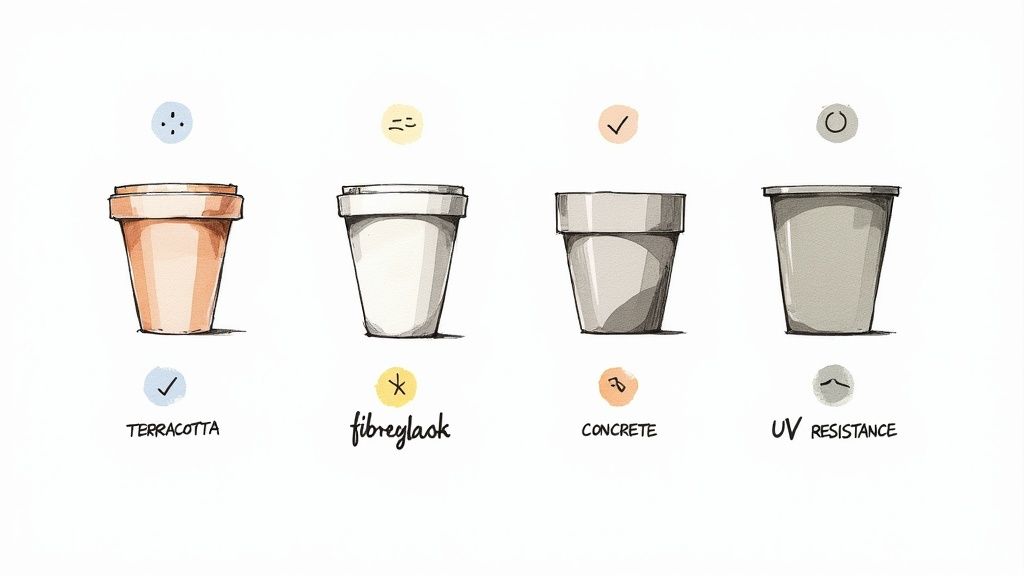
Picking a material for your outdoor planter pot goes way beyond just how it looks. It's a choice that directly impacts your plant's happiness and how much time you'll be spending on upkeep. Think of it like choosing a jacket for your plant—each one offers different protection for different conditions.
A breathable terracotta pot is like a linen shirt, perfect for plants that can't stand wet feet. On the other hand, an insulated fibreglass pot acts more like a winter coat, shielding roots from the wild temperature swings we get across New Zealand. Let's dive into the most popular materials for outdoor planter pots NZ gardeners are using and see how they stack up in our unique Kiwi climate.
The Classic Choices: Terracotta and Ceramic
Terracotta pots are a timeless favourite for good reason. Their porous clay lets air and water move through the sides, which helps the soil breathe and stops roots from rotting. This makes them a brilliant choice for succulents, cacti, and any plant that loves to dry out a bit between waterings.
The downside? That same breathability means they dry out incredibly fast in our hot summer sun, especially from December to February. They can also crack during a nasty frost, which is a real worry for gardeners in places like Canterbury or Central Otago.
Glazed ceramic pots are a more colourful and less porous option. The glaze seals the pot, so it holds onto moisture much better than terracotta. They're a great pick for thirsty plants, but you absolutely must make sure they have good drainage to avoid turning the soil into a swamp.
Key Takeaway: While terracotta is fantastic for soil aeration, it demands more watering in summer and needs shelter from heavy frosts. Glazed ceramics hold water well but need proper drainage holes to keep roots healthy.
Modern and Durable: Fibreglass
In the last few years, fibreglass and fibre-clay composites have really taken off. These materials are impressively lightweight, tough as nails, and can be moulded into just about any shape you can imagine, from sleek, modern designs to rustic stone-look finishes.
One of their biggest selling points is how well they handle the elements. They stand up to the harsh Kiwi UV rays that turn cheaper plastics brittle, and they're generally frost-proof. That makes them a reliable, year-round choice for gardens anywhere from the top of the North Island to the bottom of the South.
Because they're non-porous and offer a bit of insulation, fibreglass pots are champs at keeping soil temperature steady. This is a huge plus, protecting roots from getting scorched on a hot summer arvo and from freezing on a cold winter's night.
The Heavyweights: Concrete and Stone
If you're after a serious, permanent feature for your garden, you can't go past concrete and stone. Their sheer weight makes them incredibly stable, so you'll never have to worry about them getting knocked over in a classic Wellington southerly gale.
These materials are also fantastic insulators for plant roots, keeping them cool in summer and warm in winter. They're built to last a lifetime, shrugging off sun, rain, and frost without any trouble.
The main catch, of course, is their weight. Once you've positioned a large concrete planter, it’s not going anywhere fast. They also tend to have a higher price tag, but for a "forever" pot in the perfect spot, their longevity makes them a solid investment.
Practical and Versatile: Plastic
Plastic pots are often the most affordable and lightweight option you'll find. Modern manufacturing means they come in a massive range of colours, styles, and sizes, with many high-quality versions that do a surprisingly good job of mimicking materials like stone or terracotta.
In New Zealand, it's vital to get high-quality, UV-stabilised plastic to stop it from fading and becoming brittle after a couple of seasons. While they don't offer much in the way of insulation, their non-porous nature means they hold moisture well, which can cut down on your watering duties.
- UV Resistance: Always look for pots specifically rated for UV resistance to make sure they'll survive our strong sun.
- Recyclability: Many plastic pots are now made from recycled materials and are recyclable themselves, which is a great sustainable option.
- Lightweight: Their low weight makes them perfect for balconies, decks, or for gardeners who love to move their pots around with the seasons.
To help you decide, we've put together a quick comparison of the most common materials.
Outdoor Planter Pot Material Comparison
| Material | Pros | Cons | Best For NZ Gardens |
|---|---|---|---|
| Terracotta | - Excellent breathability - Prevents root rot - Classic look |
- Dries out quickly in sun - Can crack in frost - Heavy |
Plants that hate wet soil (succulents, cacti). Best in sheltered spots, especially in frost-prone regions like Otago. |
| Glazed Ceramic | - Retains moisture well - Wide range of colours/styles |
- Heavy - Can crack - Needs good drainage |
Thirsty plants like ferns and tropicals. Good for sunny spots, as long as drainage holes are clear to prevent waterlogging. |
| Fibreglass | - Lightweight & durable - Frost & UV resistant - Insulates soil |
- Can be pricier than plastic - Quality varies |
An all-rounder for almost any NZ garden. Excellent for both North & South Island conditions due to its durability. |
| Concrete/Stone | - Extremely stable & durable - Superb insulation for roots |
- Very heavy - Expensive |
Permanent feature plantings. Ideal for windy areas like Wellington or for creating a strong architectural statement. |
| Plastic | - Lightweight & affordable - Huge variety - Good moisture retention |
- Can look cheap - Poor insulation - Needs UV protection |
Balconies, decks, and renters. A great budget-friendly option, but choose UV-stabilised models to withstand the Kiwi sun. |
Ultimately, the best material really depends on your specific plant, your garden's microclimate, and your personal style. By weighing up these pros and cons, you can find the perfect pot that will not only look great but also help your plants thrive for years to come.
Matching Pot Size and Style to Your Space
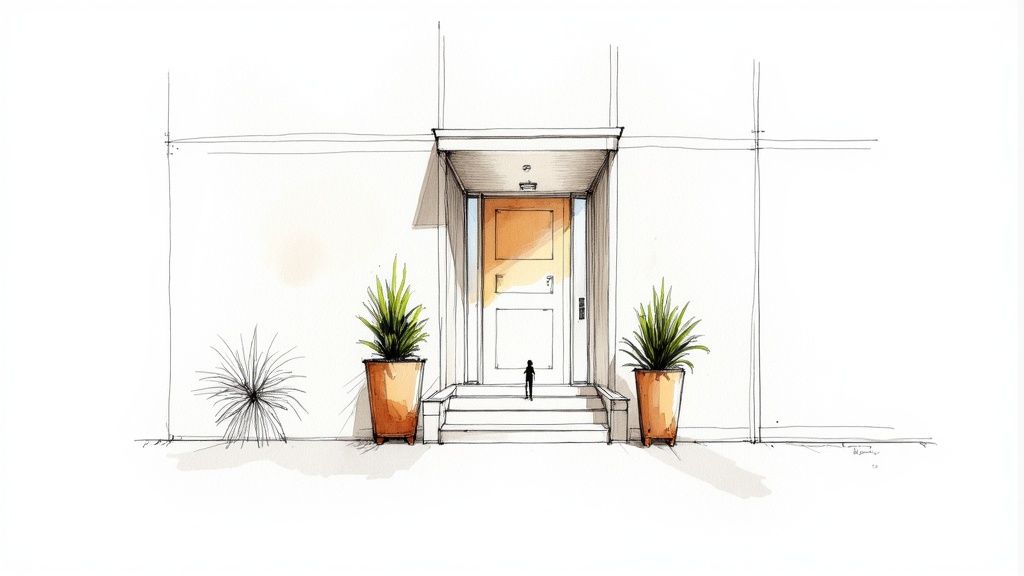
Alright, you've got a handle on the different materials out there. The next piece of the puzzle is matching the right pot to your plant and, just as importantly, to your own unique space. This isn't just about what looks good—it's about creating a healthy home for your plants and a cohesive feel for your outdoor area.
Think of it like finding the right-sized house for your plant. A pot that’s too small is like a cramped studio flat; it chokes the roots, cuts off access to nutrients, and leaves the plant completely exposed. This is especially true for outdoor planter pots NZ gardeners contend with, where a tiny pot can bake dry in just a few hours under our intense summer sun.
Why Bigger Is Often Better for Outdoor Pots
When it comes to outdoor planters, a good rule of thumb is to go bigger than you initially think you need. Why? A larger volume of soil acts as a natural buffer, insulating the roots from wild temperature swings—both the blistering heat from December to February and the biting chill we can get from June to August.
More soil also means more moisture retention, so you won't be a slave to the watering can during a dry spell. This stability gives your plants the best shot at establishing a strong, healthy root system, which is the engine for all that beautiful growth you see up top. If you want to dive deeper into this, check out our guide to large outdoor plant pots in NZ.
Of course, "bigger" is all relative. You're aiming to match the pot to the plant's eventual, mature size. As a starting point, choose a pot that’s at least 5-10 cm wider in diameter than the plant's current root ball. This gives it immediate room to stretch out without leaving a small plant swimming in a sea of overly damp soil.
Finding a Style That Complements Your Home
Now for the fun part. The style of your pot is where your personality really gets to shine and you can connect your garden directly to your home's architecture. The right style can transform a simple collection of plants into a properly designed outdoor room.
Think about the overall vibe you’re going for. Is your home a sleek, modern build, or is it more of a charming, rustic cottage? Your pots should feel like a natural part of that story.
- Minimalist & Modern: Look for clean lines, simple geometric shapes like squares and cylinders, and a neutral colour palette of charcoal, white, or concrete grey. Materials like fibreglass or powder-coated metal are perfect for this look.
- Rustic & Traditional: You can’t go wrong with terracotta, aged stone, or classic wooden planters. These materials have that lovely, earthy feel that looks right at home with Kiwi villas and cottage gardens.
- Coastal & Relaxed: To capture that beachy vibe, go for light-coloured pots in shades of blue, white, or sandy beige. Textured finishes and lightweight materials like fibre-clay really nail that relaxed aesthetic.
Expert Tip: Don't be afraid to group pots of different sizes but similar styles or colours together. This trick, often called "clustering," is a fantastic way to add depth and create a real focal point on a patio or deck.
Creating a Cohesive Outdoor Look
Getting that polished, harmonious look is all about scale and proportion. A tiny pot will get completely lost next to a grand front door, while a massive planter can easily overwhelm a small balcony. Take a step back and look at the whole picture. The pot needs to feel balanced with everything around it—furniture, architectural details, and other plants.
For a bit of inspiration on how different pots can transform a space, have a look at some DIY front yard ideas, which often showcase clever container planting. Kiwis have a real passion for creating beautiful outdoor spaces, and this has fuelled a strong market for both functional and decorative planters across the country.
In the end, choosing the right size and style is a win-win. Your plants get the physical space they need to flourish, and your pots become a beautiful feature that enhances your home’s character.
Getting Your Planters Ready For Planting
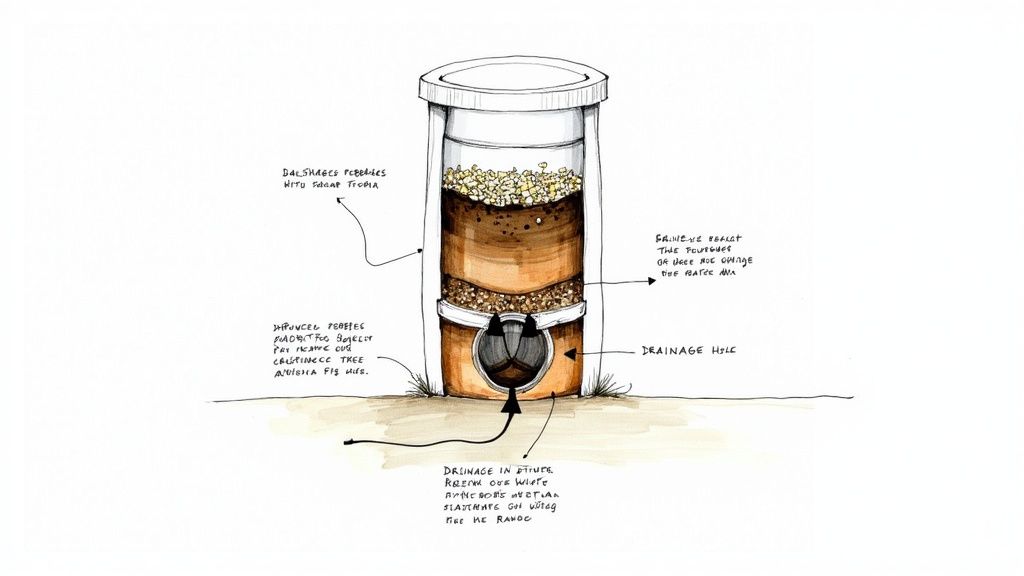
Picking out a beautiful pot is the fun part, but the real magic begins with what you do next. A little bit of prep work is what transforms an empty container into a thriving little ecosystem for your plants, setting them up for a long and happy life.
Getting your outdoor planter pots in NZ ready is a straightforward job, but skipping these crucial steps can lead to a lot of disappointment down the track. From making sure water can escape to using the right soil, every detail plays a part in your container gardening success.
Drainage: The Absolute Non-Negotiable
Imagine a planter without a drainage hole like a bathtub with a blocked drain. It doesn't matter how carefully you water; eventually, the soil becomes a soggy, waterlogged mess. This is ground zero for root rot, a death sentence for most plants, and it's an especially big risk in our often rainy Kiwi climate.
Every single outdoor pot must have at least one drainage hole. No exceptions. If that gorgeous pot you've got your eye on doesn't have one, you'll need to get the drill out and add one yourself before you even think about planting.
A common gardening myth suggests adding a layer of gravel to the bottom of a pot improves drainage. It actually does the opposite. This creates something called a "perched water table," which holds water right at the root level and practically invites rot to set in. Just stick to good potting mix and clear drainage holes.
To stop your precious soil from washing out through the hole, a simple trick is to cover it with a piece of mesh, a coffee filter, or even a shard from a broken terracotta pot. This keeps the soil in and lets the excess water out. Easy.
Picking The Perfect Potting Mix
It’s tempting to just scoop up some soil from the garden to fill your new pot, but please, don't do it. Garden soil is far too heavy for containers. It compacts quickly, squeezing the air out from around the roots, and it’s often full of weed seeds and other nasties you don't want in your pot.
Container plants need a specialised potting mix. Think of it as the difference between a dense, heavy fruitcake and a light, airy sponge. One is tough going for roots, while the other gives them plenty of room to grow and breathe.
Look for a high-quality mix with ingredients like these:
- Composted bark or peat: These organic bits are great for holding onto moisture and nutrients.
- Pumice or perlite: These little white specks are lightweight volcanic rock. They create air pockets, stop the mix from compacting, and let roots breathe.
- Slow-release fertiliser: A good mix will have some of this included to give your plants a steady feed from day one.
Once you have your mix, fill your pot up to within a few centimetres of the rim. Don't pack it down—you want to keep it nice and light. This gap at the top leaves you space for watering.
With these steps sorted, you've created the ideal foundation for almost any plant to thrive. If you're wondering what to plant, check out this fantastic guide on the top plants for outdoor pots in NZ. For more specific projects like fruit trees, you'll need a bit more specialised knowledge. There are some great online resources for things like planting fruit trees in pots that can walk you through the specifics.
Here's the rewritten section, designed to sound completely human-written and natural, following your specific instructions and style examples.
A Seasonal Care Guide for Your Potted Plants
Gardening in containers is a fantastic way to bring life to any space, but it’s a different beast to planting in the ground. Potted plants are much more exposed to the elements, so a bit of seasonal know-how is key to keeping them happy all year round. Think of this as your calendar for making sure your collection of outdoor planter pots NZ thrives through everything our four distinct seasons can throw at it.
It's no surprise that Kiwis are embracing container gardening. As more of us live in towns and cities, pots offer a brilliant, flexible way to grow everything from flowers to veggies, even on a small balcony or patio. This is part of a bigger picture—the Lawn & Garden market here is booming, expected to hit around US$3.13 billion by 2025. You can dig into more of the data on this trend over at Statista.
Summer Care: December to February
The Kiwi summer is a glorious thing, but it can be absolutely brutal for plants in pots. That intense sun bakes the containers, heating the soil and putting serious stress on the roots. Your number one job during these months is smart watering.
Get in the habit of checking your pots every day, especially when it’s hot and windy. The best time for a good soak is early in the morning before the day really heats up. This gives the water a chance to sink in properly instead of just evaporating off the surface. Water deeply until you see it running out of the drainage holes—that’s how you know you’ve saturated the entire root ball.
A simple trick to help the soil hold onto that moisture is to add a layer of mulch, like bark chips or pea straw. It acts like a protective blanket, keeping the soil cool and cutting down evaporation by as much as 70%.
Autumn Tasks: March to May
As the summer heat finally backs off, autumn gives your plants a chance to breathe. It’s the perfect time for a bit of a tidy-up and to get things ready for the cooler weather ahead.
Here's what to focus on:
- Tidy and Prune: Snip off any spent summer flowers and trim back leggy growth. This not only looks better but also encourages bushier plants and improves air circulation.
- Ease Up on Watering: With cooler temperatures and more rain, you can definitely scale back the watering. Just make sure to check the soil with your finger before you grab the hose.
- Plant for Autumn Colour: Now’s the time to pull out any tired-looking summer annuals and replace them with cool-season favourites like pansies, violas, or ornamental kale to keep things looking fresh.
Winter Protection: June to August
Winter in New Zealand can be anything from mild and damp up north to downright frosty down south. Protecting your plants—and your pots—from the cold is essential.
If you’re in a frost-prone spot like Central Otago or Canterbury, think about moving more delicate plants to a sheltered area, like up against the house or under the eaves. If a pot is too heavy to shift, you can give it a bit of extra insulation by wrapping it in bubble wrap or horticultural fleece during those really cold snaps.
Crucial Winter Tip: The biggest enemy for potted plants in winter isn't the cold, it's waterlogging. Get your pots up off the cold, wet ground using "pot feet" or even a couple of bricks. This simple step keeps the drainage holes clear and stops the soil from turning into a soggy, root-rotting mess.
Spring Revival: September to November
Spring is when everything comes back to life, and it’s the busiest season for container gardeners. It’s all about feeding, repotting, and planting for the massive growth spurt to come.
Start by giving your plants a good feed with a slow-release fertiliser to fuel all that new growth. Have a look to see if any of your plants have become root-bound. If you can see roots circling the pot or poking out the bottom, it's time to move it into a bigger home with some fresh potting mix.
This is also the perfect moment to plant summer-flowering bulbs and sow seeds for your veggies and herbs. Once the risk of frost has passed, you can get stuck in and fill your outdoor planter pots NZ with new life, setting the stage for a stunning summer display.
Common Questions About Outdoor Planter Pots
Even with the best planning, a few questions always seem to pop up when you're gardening. It's just part of the process! When it comes to using outdoor planter pots here in NZ, we hear the same queries time and again. Let’s run through some of the most common ones to get you sorted.
Getting these little details right is what builds your gardening confidence. The more you know, the more creative you can be, and the easier it is to turn your deck or balcony into that green space you've been dreaming of.
What Are The Best Low-Maintenance Plants For Large Outdoor Pots In NZ?
For a big pot, you need a plant that can look after itself without needing constant fuss. In New Zealand, succulents like Agave or Aloe are brilliant for sunny, dry spots because they barely need any water. They give you a strong, sculptural look with almost no effort.
If you’re after that classic Kiwi vibe, you can’t go wrong with native NZ flaxes (Phormium). They’re incredibly tough once they get settled in and come in a huge range of colours and sizes, from deep burgundies to bright greens.
Ornamental grasses are another fantastic, easy-care choice. Things like Carex or the native Chionochloa (tussock grass) add beautiful texture and movement. For a bit of flower power, try Hebes. They’re native, tough as old boots, and their flowers are great for pollinators.
How Do I Protect My Terracotta Pots From Cracking In Winter?
Ah, the classic terracotta problem. Because it’s porous, terracotta soaks up water. When that water freezes during a chilly South Island winter from June to August, it expands and can easily crack your beautiful pot. Luckily, it's preventable.
First off, make sure your drainage is top-notch so the soil never gets waterlogged. A simple but effective trick is to lift your pots off the cold, wet ground using ‘pot feet’. This gets air circulating underneath and helps water drain away freely.
For really prized pots, you can give them a winter jacket by wrapping them in bubble wrap or horticultural fleece during the heaviest frosts. Another pro tip is to seal the inside of the pot with a proper pot sealant before you even plant in it—this dramatically reduces how much water the clay can absorb in the first place.
Of course, the easiest solution is to buy pots labelled as frost-proof or frost-resistant. These are usually fired at a higher temperature, which makes them much more durable for colder spots like Otago and Canterbury.
Should I Put Rocks In The Bottom Of My Planter Pots?
This is one of those gardening myths that just won't go away! The short answer is no. Putting a layer of rocks or gravel in the bottom of a pot doesn't improve drainage; in fact, it usually makes things worse.
What you're actually doing is creating something called a ‘perched water table’. This raises the soggy bottom layer of soil higher up in the pot, right where the plant's roots are. This waterlogged zone starves the roots of oxygen and is the perfect recipe for root rot.
The best way to guarantee great drainage is much simpler:
- Use a good quality, free-draining potting mix.
- Pick a pot that has a large, clear drainage hole.
- Pop a small piece of mesh or even a coffee filter over the hole to stop the soil from washing out.
This gives your plant's roots the full depth of the pot to grow into and ensures any excess water can get out, fast.
How Often Should I Repot My Outdoor Container Plants?
How often you need to repot really comes down to the plant and how quickly it's growing. As a general guide for most plants in New Zealand, you’ll probably want to repot them every two to three years. This gives them fresh soil and more room to stretch their legs.
Your plant will give you a few clues when it's feeling cramped:
- Roots escaping: You’ll see roots poking out of the drainage holes.
- Water runs straight through: When you water, it just pours out the bottom almost instantly. This means the pot is more roots than soil.
- Stunted growth: The plant just doesn't seem to be growing much anymore or looks a bit sad.
The best time to tackle this job is in spring, from September to November, right as the plant is kicking into its growth season. This gives it the whole summer to settle into its new home, which should be filled with fresh, nutrient-rich potting mix. It’s like a fresh start, setting your plant up for another couple of years of healthy growth.
Ready to find the perfect home for your next plant? Explore the incredible selection of outdoor planter pots NZ gardeners love at Jungle Story. From sleek modern designs to timeless classics, we connect you with trusted sellers offering everything you need to create your dream garden. Start your journey today at https://junglestory.co.nz.