
The betel leaf, or Piper betle if you want to get scientific, is so much more than just a pretty plant. It’s a perennial vine with stunning, heart-shaped green leaves that holds a special place in cultures and kitchens across Asia. Now, it's finding a well-deserved spot in New Zealand gardens, too.
Uncovering the Betel Leaf Story
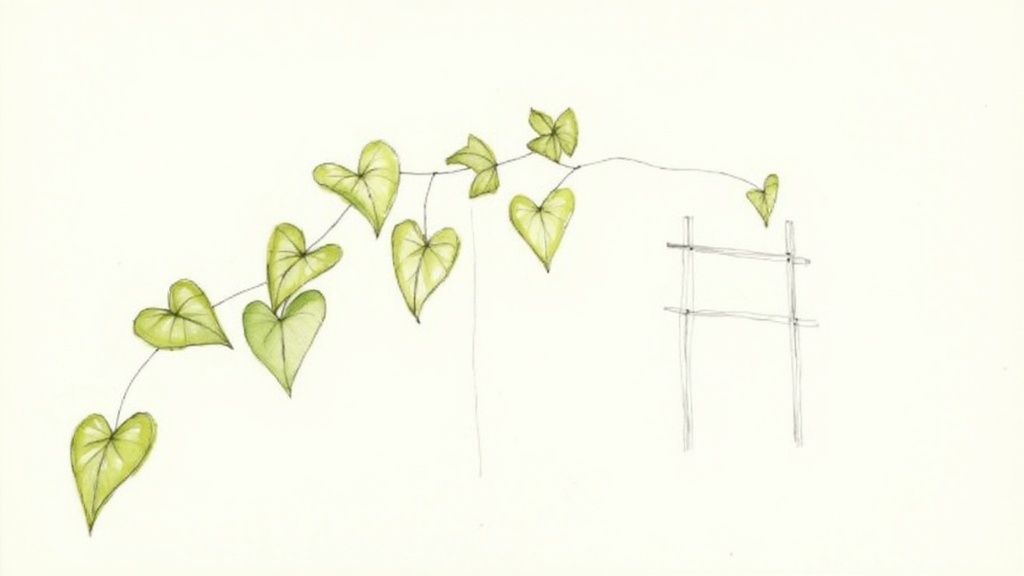
This isn’t just an attractive vine; it carries centuries of history in its leaves. The plant is part of the pepper family, Piperaceae, which gives you a clue about its flavour. The leaves have a distinctly warm, peppery, and slightly bitter taste that’s hard to find anywhere else.
This unique profile has made it a cornerstone of many culinary traditions. People use it as a wrap for savoury snacks, a fragrant addition to dishes, and even as a refreshing palate cleanser after a meal.
But its story goes far beyond the kitchen. In many South and Southeast Asian communities, the betel leaf is a powerful symbol. Offering a folded leaf, often as part of a preparation called 'paan', is a deeply meaningful gesture of hospitality, respect, and friendship. You’ll find it playing a central role in weddings, religious ceremonies, and everyday social rituals.
Why Grow Betel Leaf in New Zealand?
Bringing a betel leaf plant into your home isn't just about adding more greenery. It's a chance to connect with a rich, living heritage and grow something truly special.
For Kiwi gardeners, it's a rewarding challenge that pays off in spades.
- A Taste of the Tropics: The lush vine instantly adds a tropical feel to any space. With the right care, it thrives beautifully in New Zealand’s temperate climate.
- Culinary Exploration: Imagine having fresh, aromatic leaves right at your fingertips! You can experiment with using them as wraps for the barbecue or to add an authentic punch to your curries.
- Cultural Connection: Growing your own provides a tangible link to Asian traditions, letting you appreciate and share in its cultural significance right from your own backyard.
The versatility of this vine is remarkable. One moment it’s a key ingredient in an elaborate ceremonial offering, and the next, it’s a simple, flavourful wrap for grilled fish on the barbecue.
As we dive in deeper, you’ll discover everything you need to know to get this fascinating vine thriving. With its beautiful foliage and storied past, the betel leaf is a perfect choice for gardeners looking to grow something with both flavour and meaning. It's just one of many exciting tropical plants that thrive in NZ gardens.
Choosing the Right Betel Leaf Variety
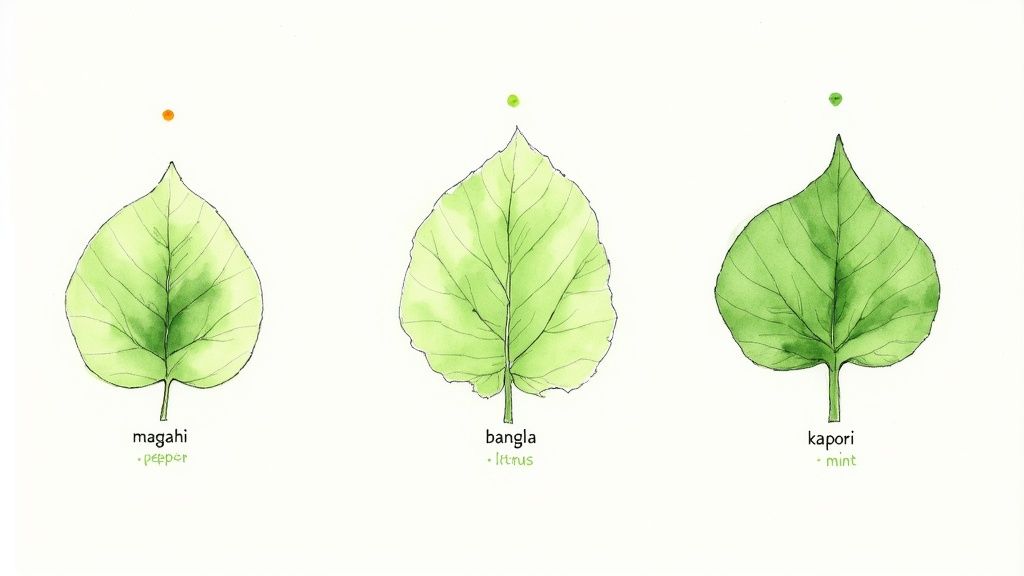
Before you can get your hands dirty, it’s worth getting to know the plant itself. The betel leaf vine, Piper betle, is part of the pepper family, making it a close cousin to both black pepper and kava. That family connection is a dead giveaway for its signature warm, spicy flavour.
It’s a climbing evergreen vine that produces stunning, glossy, heart-shaped leaves that stay vibrant all year. Much like a passionfruit vine in a Kiwi garden, it needs something to grab onto—a trellis, a stake, or a fence will do perfectly—to really thrive. If left to its own devices, it’ll just trail along the ground, which can stunt its growth and leave it vulnerable to pests.
Picking the right variety is all about matching the plant to your garden and what you plan to do with the leaves. While there are over 100 known cultivars out there, a few really stand out for their unique flavours, leaf shapes, and growing habits.
Popular Betel Leaf Varieties
Think of choosing a betel leaf like picking an apple. A Granny Smith gives you that tart crispness that's perfect for baking, while a Royal Gala is sweet and juicy, ideal for eating fresh. In the same way, different betel leaves offer completely unique experiences for the senses.
Let's break down three of the most well-known types you're likely to come across.
-
'Bangla' (Calcutta Paan): This is a really robust and popular variety, known for its large, dark green leaves. It packs a punch with a strong, pungent, and distinctly peppery flavour, making it the go-to for traditional paan. For gardeners, its vigorous growth and big leaves make for a productive and visually impressive plant.
-
'Magahi': Hailing from the Magadh region of India, this one is prized for being a bit more delicate and refined. The leaves are usually smaller, a lighter shade of green, and more tender than 'Bangla'. Its flavour is sweeter and less intense, with a melt-in-your-mouth texture that’s highly sought after.
-
'Kapoori': This variety is celebrated for its mild, cool, and almost minty flavour. The leaves are medium-sized with a slightly rougher texture. Its less pungent taste makes it a great choice for anyone new to betel leaf or for recipes where you just want a subtle peppery hint.
Choosing a variety is a personal journey. The bold flavour of 'Bangla' might be perfect for an experienced palate, while the gentle sweetness of 'Magahi' could be the ideal introduction for someone trying betel leaf for the first time.
To help you decide, think about how you're going to use the leaves. For flavourful culinary wraps, the mild 'Kapoori' is a fantastic starting point. If you’re after that authentic, pungent paan experience, 'Bangla' is the classic choice.
To make things even clearer, here’s a quick comparison of the most common varieties you’ll find.
Common Betel Leaf Varieties at a Glance
| Variety Name | Leaf Shape & Colour | Flavour Profile | Ideal Growing Conditions |
|---|---|---|---|
| 'Bangla' | Large, heart-shaped, dark green | Strong, pungent, peppery | Thrives in warm, humid spots with good support for its vigorous climbing habit. |
| 'Magahi' | Small to medium, heart-shaped, light green | Sweet, aromatic, less intense | Prefers a slightly more sheltered position; its delicate leaves appreciate protection from harsh sun. |
| 'Kapoori' | Medium-sized, slightly rough, bright green | Mild, cool, slightly minty | Very adaptable and grows well in containers or garden beds with partial shade. |
Ultimately, each variety grows well in New Zealand’s temperate climate, as long as it gets the right care. By understanding their subtle differences, you can pick the perfect betel leaf plant that will not only flourish in your garden but also be the perfect match for your taste.
The Cultural Significance of Betel Leaf
The betel leaf is so much more than just a garden vine. It's a thread woven deep into the cultural fabric of South and Southeast Asia. For millions, the heart-shaped leaf of the Piper betle plant is a symbol of hospitality, respect, and community.
This significance shines brightest in the tradition of preparing 'paan', a ceremonial and social chew that's been a cornerstone of daily life for centuries.
To make paan, a fresh betel leaf acts as a fragrant wrapper for all sorts of fillings. These might include slaked lime (chuna), spices like cardamom and clove, sweet preserves, and grated coconut. When you offer paan to a guest, it’s a profound gesture of welcome and friendship—a way of sharing a moment together.
The whole act of preparing and sharing paan is a social ritual. It appears at all of life's big moments, from weddings and births to religious ceremonies and festivals. It serves as both a digestive after a big meal and a ceremonial offering, showing how the betel leaf isn't just an ingredient, but a vessel for cultural expression and social bonds.
The Paan Tradition and Modern Uses
While its ceremonial role is ancient, the culinary uses for betel leaf are always evolving. Beyond traditional paan, chefs and home cooks are getting creative with its unique, peppery flavour. The leaves are wonderfully versatile, making a fantastic aromatic wrap for grilling or steaming food.
Imagine wrapping a piece of fish or chicken in a betel leaf before it hits the barbecue. The leaf infuses a subtle, smoky, and peppery flavour, all while keeping the food inside incredibly moist and tender. This is a great modern twist that allows Kiwi foodies to experience the plant’s distinctive taste in a familiar way, bridging old traditions with contemporary cooking.
Clarifying a Critical Distinction
When you start exploring the world of betel leaf, it's absolutely vital to clear up a common—and critical—point of confusion. The tradition of chewing paan often involves an ingredient that is entirely separate from the betel leaf plant: the areca nut.
The betel leaf (Piper betle) is a harmless vine from the pepper family. The areca nut, often mistakenly called a 'betel nut', comes from a completely different plant, the Areca catechu palm. For anyone in New Zealand interested in this plant, this distinction is crucial.
This mix-up has serious implications here. While growing and using the betel leaf itself is perfectly fine, the areca nut is under strict regulation. It’s essential for anyone exploring paan culture to separate the leaf from the nut, both botanically and legally.
The New Zealand government is very serious about this distinction to protect public health and biosecurity. In fact, under Schedule 23 of the Australia New Zealand Food Standards Code, the areca nut (Areca catechu) is listed as a prohibited plant. This ban covers any part of the nut or anything derived from it, and there are strict measures at the border to prevent it from being imported.
Broader Roles in Traditional Medicine
The betel leaf's importance also stretches into traditional wellness systems like Ayurveda, where it’s been used for centuries for its perceived therapeutic properties. It's often valued for its stimulating, antiseptic, and breath-freshening qualities.
Its long history in these practices reveals a holistic view of plants, where their value is tied to overall well-being. The betel leaf’s role connects to broader herbal traditions; for instance, you can explore various natural Ayurvedic approaches to infertility treatment that rely on plant-based ingredients.
This shows the deep connection between botany, culture, and health that the betel leaf represents. By understanding this rich history, we can appreciate the vine growing in our garden not just for its beauty, but for the centuries of tradition it carries.
Your Step-by-Step Betel Leaf Growing Plan
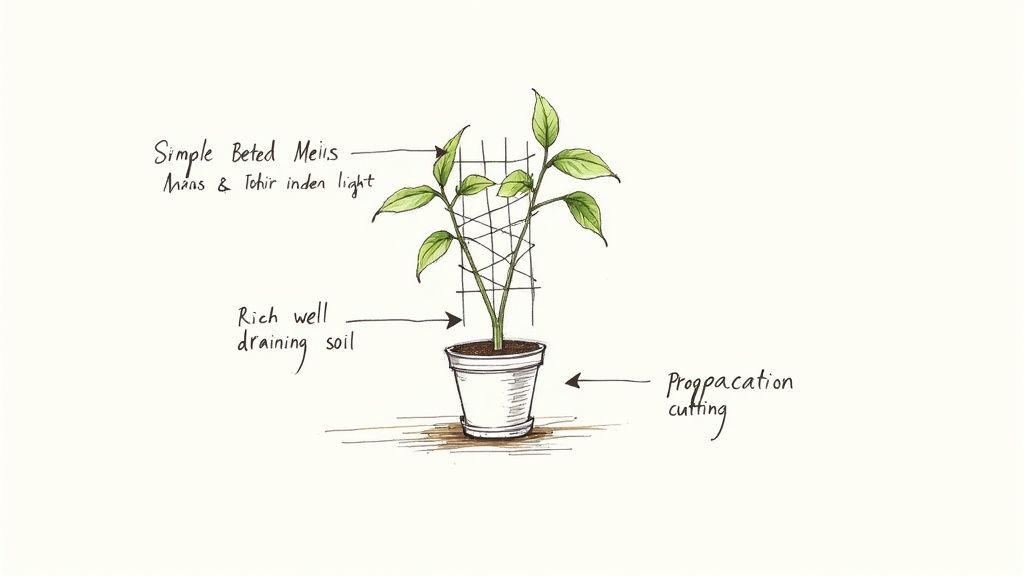
Ready to grow your own fresh, aromatic betel leaves? It's an incredibly rewarding experience, and with a bit of know-how for our unique New Zealand climate, you can have a thriving vine in no time.
Think of your betel leaf plant as a tropical guest visiting your home. To make it feel welcome, you'll want to provide the warmth, humidity, and gentle light it's used to. This guide will walk you through everything, from picking the perfect spot to sharing new plants with friends.
Finding the Perfect Spot
Getting the placement right is the first—and most important—step. Nail this, and you're more than halfway to success. The goal is to mimic the dappled sunlight of a forest floor, its natural home.
You're looking for bright, indirect light. The harsh, direct sun of a Kiwi summer afternoon will scorch its delicate leaves, leaving them yellow and burnt. An east-facing window is often perfect, offering gentle morning sun that won’t cause any damage.
If you only have north or west-facing windows, no worries. Just set the plant back a metre or two from the glass, or hang a sheer curtain to diffuse the intensity. Your plant will let you know if it's happy: lush, deep green leaves mean you've found the sweet spot.
Creating the Ideal Soil Mix
Like a lot of tropicals, betel leaf absolutely hates having "wet feet." Its roots need the perfect balance of moisture and excellent drainage to fend off rot. A generic, dense potting mix from the garden centre just won’t do the trick.
You need a soil mix that's rich in organic goodies but light enough for water to flow through freely. This encourages a strong, healthy root system, which is the foundation for vigorous growth.
Here’s our go-to recipe for a happy betel leaf:
- One part high-quality potting mix to form the base.
- One part perlite or pumice to create air pockets for drainage.
- One part compost or worm castings to add essential nutrients.
This blend creates the slightly acidic, well-draining, and nutrient-rich home your vine will love. For a perfectly blended option, you can learn more about creating the right foundation in our guide to high-quality indoor potting mix.
Mastering Your Watering Routine
When it comes to watering, consistency is key. Your betel leaf likes its soil to be kept evenly moist, but never soggy. The classic "drench and dry" method works beautifully here.
Water the plant thoroughly until you see it running out of the drainage holes. Then, let the top 2-3 cm of soil dry out completely before you water it again. The easiest way to check is with your finger—if the soil feels damp just under the surface, give it another day or two.
During the warmer growing season (roughly spring and summer in New Zealand), you'll likely water every 5-7 days. When things cool down in winter (June to August), the plant's growth slows, so you’ll need to cut back on watering to prevent root rot.
Propagating Your Betel Leaf Vine
One of the best things about growing betel leaf is how incredibly easy it is to make new plants. It’s a straightforward way to expand your collection or share the love with fellow plant enthusiasts.
The easiest method is taking a stem cutting, just as you see in the illustration.
Follow these simple steps:
- Select a Healthy Stem: Find a mature vine and look for a section with at least 3-4 nodes (the little bumps where leaves grow from).
- Make the Cut: Using clean, sharp scissors, snip a 10-15 cm piece of the vine, cutting just below a node.
- Remove Lower Leaves: Gently pinch off the leaves from the bottom two nodes. These are the spots where new roots will form.
- Root in Water: Pop the cutting in a jar of clean water, making sure the bare nodes are submerged. Place it in a spot with bright, indirect light.
- Wait for Roots: Within 2-4 weeks, you should see new roots starting to sprout.
- Pot It Up: Once the roots are a few centimetres long, it’s time to carefully plant your new vine in a small pot with your special soil mix.
Adapting to New Zealand Climates
Where you live in New Zealand will change how you care for your betel leaf.
- Subtropical North (Northland, Auckland): You're in luck! You can grow betel leaf outdoors all year round in a sheltered, semi-shaded spot. Just make sure it’s protected from strong winds.
- Temperate and Cooler South (Wellington, Christchurch, Dunedin): For the rest of Aotearoa, it's best to treat your betel leaf as an indoor plant or keep it in a greenhouse. It cannot handle frost, and our cold winters can be fatal. Be sure to bring any outdoor pots inside well before the first frost is on the forecast.
Harvesting, Storing and Using Your Leaves
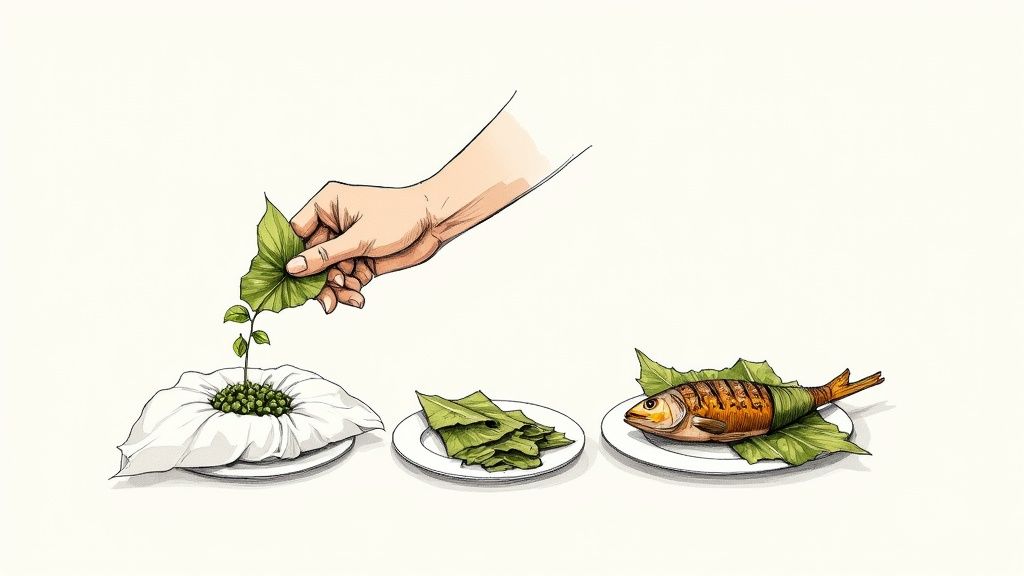
After patiently tending to your betel leaf vine, the best part arrives: a steady supply of fresh, aromatic leaves. Knowing the right time and way to harvest is the trick to capturing their peak flavour without putting the plant under stress.
You’ll want to pick the leaves when they’re mature, glossy, and have reached their full size. While young, pale green leaves are tender, they haven't yet developed that deep, peppery flavour we're after. Gently pluck individual leaves from the stem, but make sure to leave plenty of foliage behind. This keeps the vine healthy and encourages more growth.
Keeping Your Harvest Fresh
Freshly picked betel leaves are quite delicate and can wilt in a flash if you don't store them correctly. The aim is to keep them crisp and moist, locking in that signature peppery bite for as long as possible.
With the right storage, you can keep them fresh for up to a week. Here’s the best method I've found:
- Gentle Rinse: Give the leaves a light wash under cool running water. Pat them dry very carefully with a paper towel—too much lingering moisture can cause them to rot.
- Damp Wrap: Bundle the leaves together and wrap them in a slightly damp paper towel. This creates a lovely humid micro-environment, a bit like their natural home.
- Airtight Container: Pop the wrapped leaves into an airtight container or a sealed plastic bag.
- Refrigerate: Store the container in the crisper drawer of your fridge. The cool, stable temperature will help keep them vibrant and fresh.
Think of storing betel leaves like you would fresh herbs such as mint or parsley. A little moisture and cool temperatures are their best friends, preventing them from drying out and losing their potent flavour.
Bringing Betel Leaf into Your Kitchen
With your fresh leaves at the ready, it's time to start experimenting in the kitchen. Their unique flavour—a fantastic mix of peppery, slightly bitter, and aromatic notes—can really lift a whole range of dishes.
One of the most authentic ways to enjoy them is to create your own paan. While the areca nut is restricted here in New Zealand, you can still embrace the tradition by using all sorts of delicious and safe fillings.
- Sweet Paan: Spread a leaf with a dab of rose petal jam (gulkand), then sprinkle over some fennel seeds, desiccated coconut, and finely chopped dates. It’s a wonderful after-dinner treat.
- Savoury Bites: For a zesty palate cleanser, try filling leaves with a mixture of toasted peanuts, lime zest, and a tiny bit of fresh ginger.
But the uses for betel leaf go far beyond paan. Their sturdy structure and amazing aroma make them brilliant edible wraps for grilling and steaming.
Try wrapping a piece of seasoned fish, chicken, or paneer in a betel leaf before putting it on the barbecue. The leaf acts as a natural shield, protecting the food from the intense heat, keeping it incredibly moist and infusing it with a subtle, smoky, and peppery flavour.
Once your betel leaves are harvested, you might be looking for more creative ways to incorporate them into your meals. You can easily discover recipes based on ingredients you have on hand, allowing you to utilise your fresh harvest effectively.
Finding Betel Leaf Plants in New Zealand
So, you’re ready to start your own betel leaf journey? Finding a healthy plant is the first exciting step. Here in New Zealand, you have some great options if you know where to look. Sourcing your plant from a reputable local grower means you’ll get a thriving vine while respecting our country’s important biosecurity rules.
You can often track down betel leaf plants at specialised nurseries that focus on tropical or rare plants. Keep an eye out at local community markets too, especially those with diverse plant stalls. Online plant marketplaces have also become a fantastic way to connect with growers across the country.
Of course, here at Jungle Story, we offer a carefully nurtured small leaf cultivar of the Betel Leaf Vine (Piper betle) that is perfect for getting started.
What to Look For When Buying
Once you’ve found a potential plant, take a moment to give it a good once-over. A little inspection now can save you a lot of headaches later. A strong, healthy specimen will settle into its new home much faster.
Here are the key signs of a quality betel leaf plant:
- Vibrant, Glossy Leaves: Look for leaves that are a rich, deep green with a healthy shine. Steer clear of any with yellowing, brown spots, or wilting.
- A Strong Root System: If it’s in a nursery pot, gently check the drainage holes. Seeing a few healthy, white roots is a brilliant sign. Avoid plants with brown, mushy, or tightly coiled roots at the bottom.
- No Signs of Pests: Carefully inspect under the leaves and around the stems for common freeloaders like aphids or mealybugs.
- Sturdy Stems: The stems should feel firm and look healthy, not limp or discoloured. This tells you the plant is well-hydrated and robust.
Understanding New Zealand's Biosecurity Rules
It's really important to know the difference between growing the plant here and trying to bring its fresh leaves into the country. While cultivating a Piper betle plant in your garden is perfectly fine (and encouraged!), importing fresh leaves is another matter entirely.
New Zealand's biosecurity is world-class for a reason—it protects our unique environment and primary industries. The Ministry for Primary Industries (MPI) carefully regulates all plant material imports to prevent pests and diseases from getting in.
This means you can't just bring fresh betel leaves back from an overseas trip in your luggage. Commercial importation is possible, but it happens under very strict guidelines.
MPI has established specific import health standards for fresh betel leaf intended for human consumption, which outline exactly what importers must do. You can see the official process by looking up MPI's rules for importing Fresh Betel/Paan Leaf for Human Consumption.
By buying your plants from reputable Kiwi sellers, you can confidently and responsibly enjoy growing your own betel leaf at home.
Got Questions About Your Betel Leaf? We've Got Answers
Even the greenest thumbs run into a spot of bother now and then. When you're getting to know a new plant, questions are just part of the journey. To help you along, we’ve put together some of the most common queries we hear from Kiwi gardeners about the beautiful betel leaf vine.
Why Are My Betel Leaves Turning Yellow?
Yellowing leaves are your plant's way of telling you something's not quite right, and nine times out of ten, it’s about the water. The number one culprit? Overwatering. Too much love in the form of water can lead to root rot, which stops the plant from taking up nutrients and results in those sad, yellow leaves.
Before you even think about reaching for the watering can, check the soil. Poke your finger in – if the top 2-3 cm feel damp, hold off for another day or two. On the off chance it's not a watering issue, yellow leaves can sometimes point to a lack of nutrients. If you’re confident your watering is spot on, try a dose of a balanced, nitrogen-rich liquid fertiliser during the growing seasons of spring and summer.
Here's a simple mantra for your betel leaf: it's far better to be a little too dry than a little too wet. Stick to this, and you'll sidestep the most common pitfall.
How Can I Make My Vine Fuller and Bushier?
A long, stringy vine with just a few leaves isn't what most of us are aiming for, but thankfully, it’s an easy fix. The secret to a lush, bushy betel leaf plant is all in the pruning. Don't be timid about giving it a regular trim; this encourages the vine to branch out with new side shoots.
- Pinch the tips: Simply pinching off the newest, tender tips of the main stems is the quickest way to encourage branching.
- Cut back leggy stems: Snip back any long, sparse stems to a node (the little bump where a leaf grows). This will spark fresh, dense growth from that point.
- Give it some support: A small trellis or a few stakes give your vine something to climb on, promoting better upward growth and a more even spread of leaves.
Is Betel Leaf Frost Tolerant?
Absolutely not. The betel leaf plant is a true tropical at heart and has zero tolerance for frost. For gardeners in the central and southern parts of New Zealand, even a single light frost can spell disaster, severely damaging or even killing the plant.
As we head into our winter months from June to August, it’s crucial to bring your plant inside or pop it into a greenhouse. Find a spot for it indoors that gets plenty of bright, indirect light. Remember to ease up on watering, too, as its growth will naturally slow down in the cooler temperatures. Treat it like a cherished house guest for the winter, and it'll reward you with vigorous growth year after year.
Ready to start your own betel leaf adventure? At Jungle Story, we have healthy, happy betel leaf plants that are perfectly suited for New Zealand homes and gardens. Find your new favourite vine by visiting our online marketplace at https://junglestory.co.nz.